
Retina Specialist in Malad — Advanced Care for Your Retina
The retina is the most vital — and most fragile — part of your eye. When it's at risk, you need a specialist, not a generalist. Dr. Rohit Modi, retina specialist and vitreoretinal surgeon at Sentra Clinic in Malad, Mumbai, brings 13+ years of focused expertise, advanced diagnostic technology and a calm, patient-first approach to every consultation.

Understanding the Retina — and Why Protecting It Matters
If your eye is a camera, the retina is the film — the light-sensitive tissue lining the back of your eye that converts everything you see into electrical signals sent to your brain. Without a healthy retina, even a perfectly shaped cornea and crystal-clear lens cannot produce clear vision. The macula, a tiny central region of the retina smaller than a grain of rice, handles all of your fine detail: reading, recognising faces, watching a screen. When the macula is affected, central vision blurs or disappears, even if side vision remains.
Unlike many other tissues in the body, retinal nerve cells do not regenerate. Damage that isn't stopped early is often permanent. This is the single most important reason why retina problems demand prompt attention from a qualified retina specialist in Malad, Mumbai — not just a general eye doctor — and why the difference between catching a problem early and catching it late can be the difference between saving and losing useable vision.
The retina receives its blood supply from tiny, delicate vessels. Any systemic disease that affects those vessels — diabetes, hypertension, high cholesterol — also affects the retina directly. That's why retina health is inseparable from your general health, and why regular monitoring matters even when you feel your vision is fine.
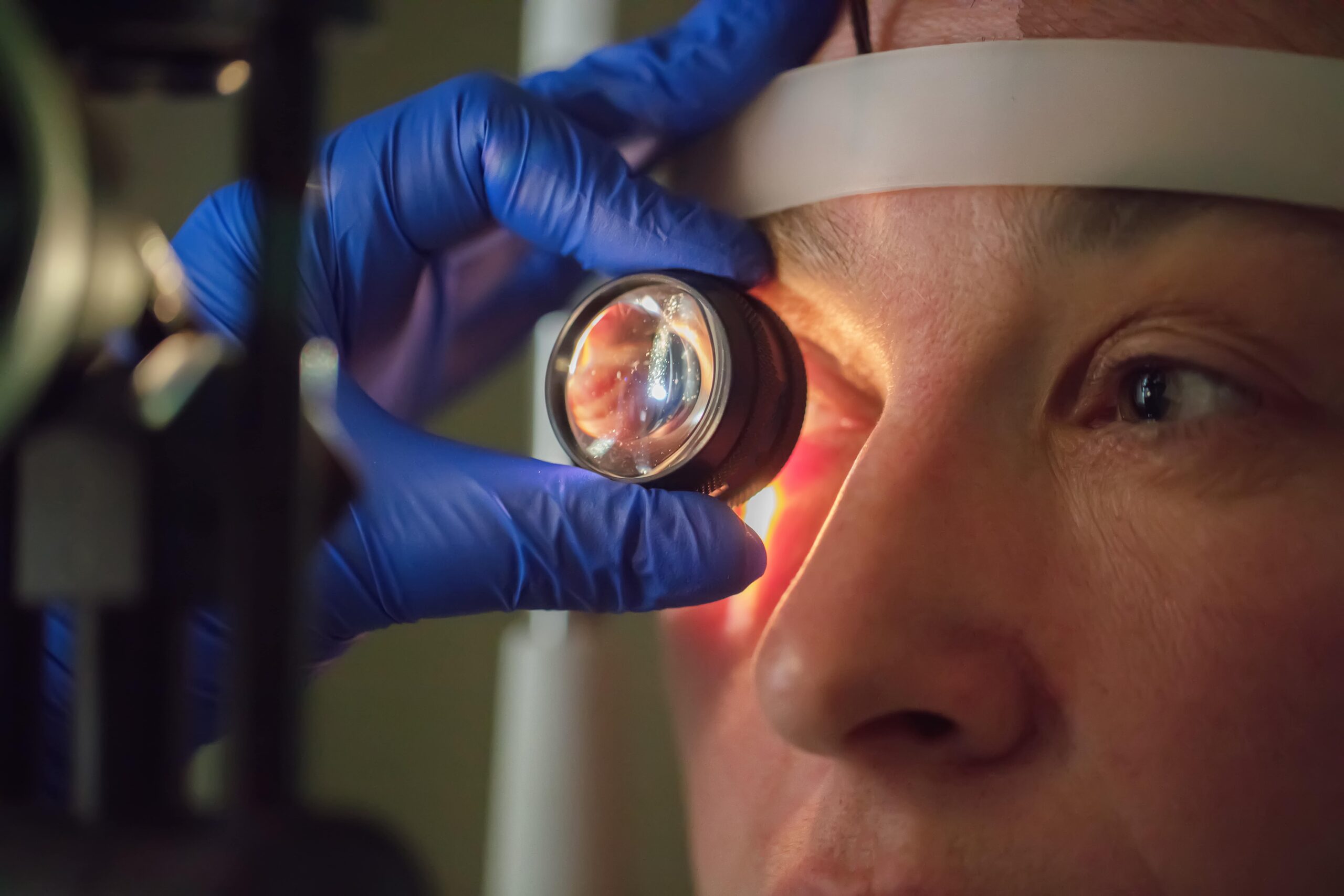
The retina converts light into vision. Even small damage to the macula disrupts fine detail sight.
Retinal Conditions We Diagnose and Treat at Sentra Clinic
Our retina practice at Sentra Clinic in Malad handles the full spectrum of retinal diseases — from common diabetic eye disease to complex vitreoretinal emergencies. Here is an overview of the conditions we manage regularly:
Diabetic Retinopathy
Retinal damage caused by diabetes — the leading cause of preventable blindness in working-age Indians. We offer laser treatment, anti-VEGF injections and close monitoring. Learn about our diabetic retinopathy treatment →
Retinal Detachment & Tears
A sight-threatening emergency where the retina lifts away from the back of the eye. Symptoms include sudden floaters, light flashes or a dark curtain in vision. Surgical repair is urgent — delays worsen outcomes.
Age-Related Macular Degeneration
The most common cause of central vision loss in adults over 60. Wet AMD is treated with intravitreal anti-VEGF injections, which can stabilise or even improve vision when started promptly.
Retinal Vein Occlusions
Often called "eye strokes," these occur when blood flow through a retinal vein is blocked, causing haemorrhage and macular swelling. Closely linked to hypertension and diabetes — treated with injections and sometimes laser.
Macular Holes & Epiretinal Membrane
A macular hole is a tiny defect in the macula causing blurred or distorted central vision; an epiretinal membrane (macular pucker) is scar tissue on the surface. Both may be surgically corrected with vitrectomy when vision is significantly affected.
Hypertensive Retinopathy
Sustained high blood pressure damages the delicate blood vessels in the retina, sometimes silently for years. Regular retina checks are an important part of hypertension management — caught early, worsening can be prevented.
Other conditions we manage include central serous retinopathy (CSR), retinopathy of prematurity (ROP) in newborns, uveitic retinal disease, and hereditary retinal dystrophies. If you or a family member has been diagnosed with any retinal condition — or have symptoms you're unsure about — speak with our retina specialist Dr. Rohit Modi for an accurate diagnosis and clear treatment plan.
Diabetic Retinopathy — Our Area of Deep Specialisation

Retinal laser photocoagulation — a key treatment for diabetic retinopathy at Sentra Clinic.
Dr. Rohit Modi's clinical focus on diabetic retinopathy spans his entire career. Over 13+ years and 10,000+ retinal and cataract surgeries, a significant proportion of his cases involve diabetic eye disease in various stages — from mild background retinopathy to proliferative disease requiring urgent intervention. This depth of experience matters enormously when the difference between one stage and the next can mean the difference between a simple laser procedure and complex surgery.
Why Diabetic Retinopathy Is So Dangerous
India has the second-largest diabetes population in the world, and a large percentage of diabetics will develop some form of retinopathy over their lifetime. The insidious thing about this disease is that it causes no pain and no visible symptoms in its earliest, most treatable stages. By the time a patient notices blurring, bleeding or dark spots in their vision, the disease may already be in an advanced state — requiring more aggressive treatment and with less chance of full vision recovery.
Our Staging-Based Approach
- Mild/Moderate NPDR (Non-Proliferative): careful monitoring, blood sugar optimisation guidance, OCT imaging to detect early macular swelling.
- Severe NPDR / Early PDR (Proliferative): retinal laser photocoagulation to seal leaking vessels and prevent abnormal vessel growth.
- Diabetic Macular Edema (DME): intravitreal anti-VEGF injections — Ranibizumab, Bevacizumab or Aflibercept — to reduce swelling in the macula and restore or preserve reading vision.
- Advanced PDR / Vitreous Haemorrhage / Tractional Detachment: surgical vitrectomy to clear blood and relieve traction on the retina.
Read our full guide to diabetic retinopathy treatment in Malad for detailed information on each stage and treatment option.
Retinal Detachment — Symptoms to Recognise as an Emergency
Retinal detachment is among the most urgent emergencies in all of eye care. When the retina separates from the underlying tissue, blood and oxygen supply is cut off, and retinal cells begin to die within hours to days. Vision loss from a retinal detachment, if not treated promptly, can be permanent.
Warning Signs You Must Never Ignore
Go to a retina specialist the same day — or the next morning at the absolute latest — if you experience any of these:
- A sudden shower of new floaters — dozens of new black dots, cobwebs, or strings drifting in your vision, especially if they appeared all at once
- Flashes of light — particularly in your peripheral (side) vision, even in a well-lit room or with eyes closed
- A dark shadow, curtain or veil spreading across any part of your visual field — from above, below or the sides
- Sudden blurring in one eye — especially if accompanied by any of the above symptoms
- Distortion of straight lines — door frames, tiles or text appearing wavy or bent
Types of Retinal Detachment
Rhegmatogenous detachment (the most common type) occurs when a tear or hole in the retina allows fluid to seep underneath and lift it away. Risk factors include high myopia (strong glasses), previous eye injury, previous cataract surgery, and a family history of detachment. Tractional detachment is caused by scar tissue — most commonly from advanced diabetic retinopathy — pulling the retina away. Exudative detachment is caused by fluid accumulation without a tear, due to inflammation or other conditions.
Surgical options include pneumatic retinopexy (a gas bubble procedure for selected cases), scleral buckling (an outpatient procedure that has stood the test of time for decades), and pars plana vitrectomy — the most versatile modern surgical approach for complex detachments. Dr. Rohit Modi determines the appropriate surgery based on the type, extent and duration of the detachment.
Age-Related Macular Degeneration (AMD) — Protecting Central Vision
Age-related macular degeneration is the leading cause of severe central vision loss in people over 60, and it is becoming increasingly prevalent as India's population ages. AMD affects the macula — the central part of the retina responsible for reading, recognising faces, and all fine-detail tasks. Peripheral (side) vision is usually preserved, but central vision becomes progressively blurred, distorted or absent.
Dry AMD vs Wet AMD
Dry AMD is the more common, slower-progressing form. It involves gradual thinning and cell death in the macula (a process called geographic atrophy) over years. There is currently no curative treatment, but specific nutritional supplementation (AREDS2 formula) and lifestyle changes can slow progression. Regular monitoring with OCT is essential to watch for conversion to wet AMD.
Wet AMD is less common but far more rapidly damaging. Abnormal, leaky blood vessels grow under the retina (choroidal neovascularisation), causing sudden central vision distortion and loss. This is a medical urgency — wet AMD patients who receive intravitreal anti-VEGF injections promptly can stabilise and often significantly improve their central vision. Delay means the window for improvement narrows quickly.
Monitoring and Treatment at Sentra Clinic
We use OCT and fundus photography to detect AMD at its earliest stages and track its progression precisely. For wet AMD, we offer intravitreal injections — the current gold standard — and work with each patient to establish an injection schedule tailored to their response. We also counsel patients on risk factors: smoking is the single most modifiable risk factor for AMD, and patients who smoke are significantly more likely to develop the advanced, vision-threatening form.

High-resolution OCT imaging allows us to detect macular changes in the earliest stages, before vision is affected.
Diagnostic Technology We Use for Precise Retina Care
The accuracy of retina diagnosis depends entirely on the quality of imaging. Modern retina care is fundamentally a technology-driven specialty, and Sentra Clinic is equipped with the diagnostic tools that allow us to see the retina in extraordinary detail — catching problems that would be invisible to earlier generations of ophthalmologists.
Optical Coherence Tomography (OCT)
The cornerstone of modern retina diagnosis. OCT uses light waves to image the retina's layers in cross-section at near-microscopic resolution — measuring changes of just a few microns. It detects macular oedema, retinal thinning, sub-retinal fluid, and early neovascular membranes long before they cause visible symptoms. OCT is painless, non-contact, and takes only minutes.
Dilated Fundus Examination
The foundational retina examination — performed after dilating drops are instilled to widen the pupil, allowing Dr. Modi a wide, clear view of the retina, optic nerve, and blood vessels using a slit lamp and indirect ophthalmoscope. This examination is irreplaceable and complementary to all imaging technologies. It is essential for detecting peripheral retinal tears and detachments.
Fundus Photography
High-resolution photographs of the retina are taken and stored, allowing precise comparison over time. This is invaluable for tracking the progression of diabetic retinopathy, AMD, and other chronic retinal conditions — changes visible in photographs but not yet symptomatic can prompt a change in management before damage worsens.
Together, these tools give us a complete picture of retinal health — a picture that guides every treatment decision we make. You will never receive a treatment recommendation at Sentra Clinic without the imaging evidence to support it.
🔍 Concerned about your retina? Don't wait for symptoms — early detection saves vision.
Treatment Options — Laser, Injections and Vitreoretinal Surgery
Retina treatment has advanced dramatically over the past two decades. The conditions that once caused inevitable blindness are now manageable — often with outpatient procedures that take minutes. Dr. Rohit Modi tailors treatment precisely to each patient's diagnosis, stage and overall health, always starting with the least invasive option that will achieve the best outcome.
Retinal Laser Photocoagulation
Laser photocoagulation uses a precisely focused beam of light to seal leaking blood vessels, create protective barriers around retinal tears, and destroy abnormal vessel growth. It is performed as an outpatient procedure, usually in a single sitting of 15–30 minutes, with no incisions and no anaesthesia beyond numbing drops. Patients experience a brief bright sensation during the procedure and can resume normal activities the same day.
Laser is the primary treatment for many forms of diabetic retinopathy (pan-retinal photocoagulation for proliferative disease), for retinal tears before they progress to detachment, and for some cases of retinal vein occlusion. A timely laser procedure for a retinal tear can prevent a full detachment — one of the most important preventive interventions in all of eye care.
Intravitreal (Anti-VEGF) Injections
Anti-VEGF injections represent the biggest advance in retina medicine in the last 20 years. By injecting a tiny amount of medication directly into the vitreous cavity of the eye, we can block the growth of abnormal leaky blood vessels and reduce macular swelling within days. The procedure sounds alarming, but patients consistently report that it is far less uncomfortable than they expected — numbing drops are applied thoroughly, the injection itself takes under a minute, and patients walk out and return to their normal routine.
Anti-VEGF therapy is the first-line treatment for wet AMD, diabetic macular oedema, and macular oedema from retinal vein occlusions. A series of injections is typically required, and Dr. Modi will map out a clear treatment schedule and monitoring plan from the very first consultation so patients know exactly what to expect.
Pars Plana Vitrectomy (Vitreoretinal Surgery)
For more complex retinal problems — detachment, vitreous haemorrhage, macular hole, epiretinal membrane, advanced diabetic tractional detachment — surgical vitrectomy is required. This involves removing the vitreous gel from the eye through tiny micro-incisions (typically 0.5–0.9 mm) and repairing the underlying retinal problem. Modern micro-incision vitrectomy is a remarkable procedure: wounds are self-sealing, recovery is faster than ever, and outcomes in experienced hands are excellent. Dr. Rohit Modi's extensive surgical experience — over 10,000 cataract and retinal surgeries — means complex vitreoretinal cases are handled with the steady hand of a true specialist.
What to Expect at Your Retina Consultation — Step by Step
We understand that a retina consultation can feel daunting — especially if you're coming in with worrying symptoms. Here is exactly what happens when you visit Sentra Clinic for a retina evaluation, so there are no surprises:
-
Registration and brief history
Our front desk team will record your name, contact details and the primary reason for your visit. You'll fill out a brief questionnaire about your symptoms, medical history (especially diabetes and hypertension), and any medications you're taking. This takes 5–10 minutes. -
Preliminary vision and eye pressure check
A trained technician will measure your current vision in each eye and check your intraocular pressure. These baseline measurements take about 10 minutes and happen before you see the doctor. -
Dilating drops instilled
Dilating drops are placed in both eyes. These take 20–30 minutes to work fully. During this wait, you are welcome to rest in our waiting area. Please note: your vision will be blurry and light-sensitive for 4–6 hours after dilation, so arrange for someone to drive you or take an auto/cab home. Do not drive after dilation. -
OCT imaging
Once your pupils are fully dilated, our technician will perform an OCT scan — a quick, painless imaging procedure that takes 5 minutes and produces detailed cross-sectional images of your retina. In many cases, fundus photographs are also taken. -
Consultation with Dr. Rohit Modi
Dr. Modi will review your imaging, perform a thorough dilated fundus examination using a slit lamp and indirect ophthalmoscope, and discuss his findings with you in plain language. He will explain your diagnosis, the stage of disease if applicable, and the full range of treatment options — with the advantages, risks and expected outcomes of each — so you can make a fully informed decision. -
Treatment plan and next steps
If treatment is recommended (laser, injection or surgery), Dr. Modi will explain the procedure in detail, answer all your questions, and provide a written cost estimate. For procedures done in-clinic (laser and injections), many patients are treated the same day or within a few days of consultation. -
Follow-up scheduling
Retinal conditions require regular monitoring. Before you leave, our team will schedule your next follow-up appointment — whether it's in four weeks for an injection review, three months for a diabetic retinopathy check, or six months for AMD monitoring.
Total time for a comprehensive retina consultation is typically 60–90 minutes. Please bring any previous eye reports, OCT scans or prescription glasses to your appointment.
Why Dr. Rohit Modi Is Trusted for Complex Retina Cases

Dr. Rohit Modi — Fellow, Royal College of Surgeons (Glasgow) & Fellow, International Council of Ophthalmology
Choosing a retina specialist is one of the most important decisions an eye patient can make. Here is why patients across Mumbai's Western Suburbs — and families who travel from further afield — consistently trust Dr. Rohit Modi with their most complex retinal conditions:
Credentials and Training
- Fellowship Fellow, Royal College of Surgeons, Glasgow, UK
- Fellowship Fellow, International Council of Ophthalmology, UK
- Visiting Surgeon at JJ Group of Hospitals & Government Grant Medical College, Mumbai
- Past Secretary, Bombay Ophthalmologists' Association
- Published 20+ peer-reviewed research papers in leading ophthalmology journals
- Trains postgraduate ophthalmology students at Grant Medical College & JJ Hospital
Clinical Volume and Focus
Dr. Modi has performed over 10,000 cataract and retinal surgeries, with a particular specialisation in diabetic retinopathy. High surgical volume in a specialty like retina is directly correlated with better outcomes — complex anatomy, rapid intraoperative decision-making and precise surgical technique improve with every case. His dual expertise in refractive surgery and retina means your entire eye — from corneal surface to retina — is evaluated by one expert, in one clinic, without referral gaps.
Academic and Community Commitment
Dr. Modi actively trains the next generation of eye surgeons at some of Mumbai's most respected public hospitals. He has also contributed to the academic literature with 20+ research publications, demonstrating a commitment to evidence-based practice that goes well beyond day-to-day clinical work. His founding of Sentra Clinic reflects a conviction that specialist-level eye care should be accessible to the communities of Malad and the Western Suburbs — not just patients who can travel to South Mumbai. Read Dr. Modi's full profile →
Retina Specialist vs General Ophthalmologist — When Does It Matter?
Many patients wonder whether they need a dedicated retina specialist in Malad, Mumbai, or whether their regular eye doctor can manage their condition. This table helps clarify when specialised retina expertise makes a critical difference:
| Condition / Situation | General Ophthalmologist | Retina Specialist (Dr. Modi) |
|---|---|---|
| Routine annual eye check (no disease) | ✅ Appropriate and sufficient | Also available — complete eye exam |
| Diabetic with no retinopathy yet | ✅ Can do annual dilated fundus exam | ✅ Preferred if diabetes is long-standing or poorly controlled |
| Mild to moderate diabetic retinopathy | ⚠️ Can monitor; may not have laser capability | ✅ Specialist-level laser and injection treatment available |
| Advanced / proliferative diabetic retinopathy | ❌ Referral to specialist needed | ✅ Full treatment including surgery, managed in-house |
| Sudden floaters, flashes or curtain in vision | ⚠️ Basic examination; may not have indirect ophthalmoscope for full periphery | ✅ Same-day emergency dilated retina exam with full peripheral view |
| Retinal detachment confirmed or suspected | ❌ Must refer urgently to retina surgeon | ✅ Surgical management by experienced vitreoretinal surgeon |
| Wet AMD diagnosis | ⚠️ Can diagnose; cannot administer intravitreal injections without training | ✅ Anti-VEGF injection therapy initiated promptly |
| Macular hole or epiretinal membrane | ❌ Surgical expertise required | ✅ Vitrectomy performed by specialist surgeon |
| Second opinion on complex retina finding | – | ✅ Expert second opinion with independent imaging review |
The short answer: for any active retinal disease — or worrying retinal symptoms — seeing a retina specialist from the outset saves time, avoids unnecessary referral delays, and in urgent cases, saves vision. At Sentra Clinic, you see a fellowship-trained specialist from your very first appointment.
What Patients Say About Retina Care at Sentra Clinic
We are humbled by the trust our patients place in us — rated 4.9 out of 5 on Google by 222+ reviewers. Here is what some of our patients have shared in their own words:
"Overall the experience with Dr Rohit Modi is amazing and excellent, the staff was graceful and smiling. Outstanding — the best eye care facility in Mumbai. Doctor is very polite and calm, my both eyes laser done and my vision is excellent now."
— Suraj Rathi, Google Review"Dr. Rohit Modi has been exceptional. He is always available and provides detailed explanations that offer great comfort. His professionalism is truly commendable."
— Jaya Modi, Google Review"Best experience with Dr Rohit Modi, best eyes doctor, extremely well organised. The staff and doctor both polite and patient, services awesome. Superb doctor, highly recommend."
— MUKESH Kevadiya, Google Review"Dr Rohit Modi is best doctor. Service is awesome. Very nice experience. Best eye clinic in Mumbai, staff is very supportive."
— Shiv Kumar Gupta, Google Review"Best eye clinic in malad east. Any eye related issues please highly recommended."
— Yugalkishore Sharma, Google ReviewWho Should Get a Retina Checkup — and How Often
Not everyone needs to see a retina specialist regularly, but certain groups are at significantly elevated risk and should not skip their retina evaluations. Use this guide to understand where you stand:
People with Diabetes
Frequency: Every year from diagnosis (Type 2), or within 5 years of diagnosis for Type 1. More frequently if retinopathy is detected or sugar control is poor.
Even with perfect sugar control and no symptoms, an annual dilated retina check is non-negotiable. Diabetic retinopathy is silent until it's advanced — and at Sentra Clinic, a specialist checks your retina for diabetic changes in detail.
People with Hypertension
Frequency: Every 1–2 years if BP is controlled; more often if not.
High blood pressure can damage the retinal vessels silently. Hypertensive retinopathy, caught early, can be stabilised. Uncontrolled, it can lead to retinal vein occlusion — an eye stroke with potentially severe consequences.
High Myopes (Strong Minus Prescriptions)
Frequency: Every 1–2 years, or immediately if symptoms appear.
People with prescriptions of –5.00 or more have a significantly higher risk of peripheral retinal breaks and detachment. Even without symptoms, regular peripheral retina checks are strongly advised. Any sudden floaters or flashes in a high myope should be seen the same day.
Adults Over 60
Frequency: Every 1–2 years as a general screen; annually if signs of early AMD are found.
Age-related macular degeneration becomes increasingly prevalent after age 60. Early detection allows monitoring and, for wet AMD, prompt treatment that can prevent severe central vision loss.
👩👧 Family History of Retinal Disease
Frequency: Discuss with Dr. Modi — depends on the specific condition.
Several retinal conditions have a hereditary component — including AMD, retinal dystrophies, and a predisposition to detachment in highly myopic families. A specialist can advise on appropriate screening frequency.
Recent Cataract Surgery
Frequency: As advised by your surgeon; typically a few weeks to 3 months post-op.
Cataract surgery — particularly in high myopes — carries a small but real risk of retinal detachment in the weeks following surgery. Knowing this risk and watching for warning signs is important. Learn about cataract surgery at Sentra Clinic →
If you belong to any of these groups and haven't had a dilated retina check in over a year, now is the right time to book one. The investment is minimal; the peace of mind is significant; and the potential to catch something early is genuinely life-changing.
Frequently Asked Questions About Retina Care in Malad, Mumbai
How much does a retina injection cost in Mumbai?
The cost of an intravitreal injection depends on which anti-VEGF medication is used — different agents (Ranibizumab, Bevacizumab, Aflibercept) have significantly different price points — and how many injections your condition requires over the treatment course. At Sentra Clinic, you will receive a clear, written cost estimate before any treatment begins, including guidance on which health insurance policies cover intravitreal injections. We are transparent about costs from the outset so there are no surprises. [₹confirm current injection pricing with clinic front desk]
Are retina injections painful?
Far less so than most patients fear. The eye is thoroughly anaesthetised with numbing drops before the procedure. The injection itself takes under a minute and most patients describe a brief feeling of pressure, not pain. Some patients feel mild irritation or grittiness for a day or two afterwards — this is normal and resolves on its own. The vast majority of patients who have received multiple injections say the apprehension before the first injection was the hardest part.
Can a damaged retina be cured or repaired?
It depends on the condition and how early treatment is started. Retinal detachments repaired promptly — especially before the macula is involved — carry a very good prognosis for vision recovery. Diabetic macular oedema and wet AMD can be significantly improved with injections, and vision can genuinely improve. However, long-standing damage or disease caught at a very advanced stage may be stabilised (stopping further deterioration) rather than fully reversed. This is why early treatment is always emphasised — the window for the best visual outcome is time-limited for most retinal conditions.
Is a same-day retina checkup available in Malad for urgent symptoms?
Yes. For urgent symptoms — sudden onset of floaters, flashes of light, a dark curtain or shadow in vision, or sudden unexplained blurring — please call us immediately at 93729 47075 or reach us on WhatsApp. We make every effort to see urgent retina cases the same day, because conditions like retinal detachment are true emergencies where hours matter.
Does high blood pressure affect the retina?
Yes, significantly. Uncontrolled hypertension damages the small blood vessels of the retina over time, causing hypertensive retinopathy — changes in the vessel walls, small haemorrhages, and, in severe cases, swelling of the optic nerve. Beyond direct damage, high blood pressure is a major risk factor for retinal vein occlusion — an "eye stroke" that can cause sudden severe vision loss in one eye. People with hypertension should have their retina checked periodically, especially if BP control has been difficult.
I have diabetes but my vision is fine. Do I still need a retina checkup?
Absolutely — and this is the most important message for every diabetic patient. Diabetic retinopathy causes no pain, no redness, and no visible symptoms in its earliest stages, including stages that already benefit significantly from laser treatment. By the time vision actually blurs, diabetic retinopathy is often in an advanced stage requiring more aggressive treatment with less certainty of full recovery. One annual dilated retina check is the single most important thing a diabetic can do for their long-term vision.
How long does retinal laser treatment take?
Retinal laser photocoagulation is an outpatient procedure — no admission, no general anaesthesia, no incisions. It typically takes 15–30 minutes per session. Dilating drops are instilled beforehand, so please plan for the overall visit to take about 1.5 hours. You can eat and drink normally before the procedure. You will need someone to accompany you home as your vision will be blurry and light-sensitive for several hours from the dilation drops.
What is the recovery time after vitrectomy surgery for retinal detachment?
Recovery depends on the complexity of the detachment and the specific surgical technique used. In general, patients can return to light desk work within 1–2 weeks. If a gas bubble was placed inside the eye during surgery (as is common in vitrectomy for detachment), you may be required to maintain a face-down or specific head position for a period and must avoid air travel until the gas has fully absorbed. Dr. Modi will give you a detailed, personalised recovery plan after surgery. Full visual recovery is gradual and may take several months.
Is Sentra Clinic's retina centre accessible from Borivali, Kandivali and Goregaon?
Yes. Sentra Clinic is located in Malad East — well-connected by road and the Western Railway line. Patients regularly visit from Borivali, Kandivali, Goregaon, Andheri, Jogeshwari and beyond. The clinic is at Shah Arcade 2, 002, First Floor, B Wing, Rani Sati Road, Malad East, Mumbai 400097. Our goal is to bring specialist-quality retina care to the Western Suburbs so that no patient has to travel to South Mumbai for every injection or follow-up.
Can I get a second opinion on my retina diagnosis at Sentra Clinic?
Yes, and we encourage it. If you have been told you have a retinal condition and want an independent review of your diagnosis and treatment plan, Dr. Rohit Modi will review your existing reports and imaging and give you an honest, expert opinion. Please bring all previous scans, reports and prescription details to your appointment. Second opinions are particularly valuable before committing to surgery or a long-term injection regimen.
Book Your Retina Consultation at Sentra Clinic, Malad
Your retina is too important to leave to chance. Whether you have active symptoms, a chronic condition like diabetes that puts you at risk, or simply want the peace of mind of knowing your retinal health is being monitored by a true specialist — Sentra Clinic is here for you.
Dr. Rohit Modi — fellowship-trained retina specialist, vitreoretinal surgeon and educator — and his team are ready to provide the kind of comprehensive, caring retina care that was previously only available in larger hospital settings. At Sentra Clinic in Malad East, Mumbai, specialist retina care is now right in your neighbourhood.
Our Location
Sentra Clinic & Hospital (a unit of Narayan Drishti)
Shah Arcade 2, 002, First Floor, B Wing,
Rani Sati Road, Malad East,
Mumbai, Maharashtra 400097
Contact Us
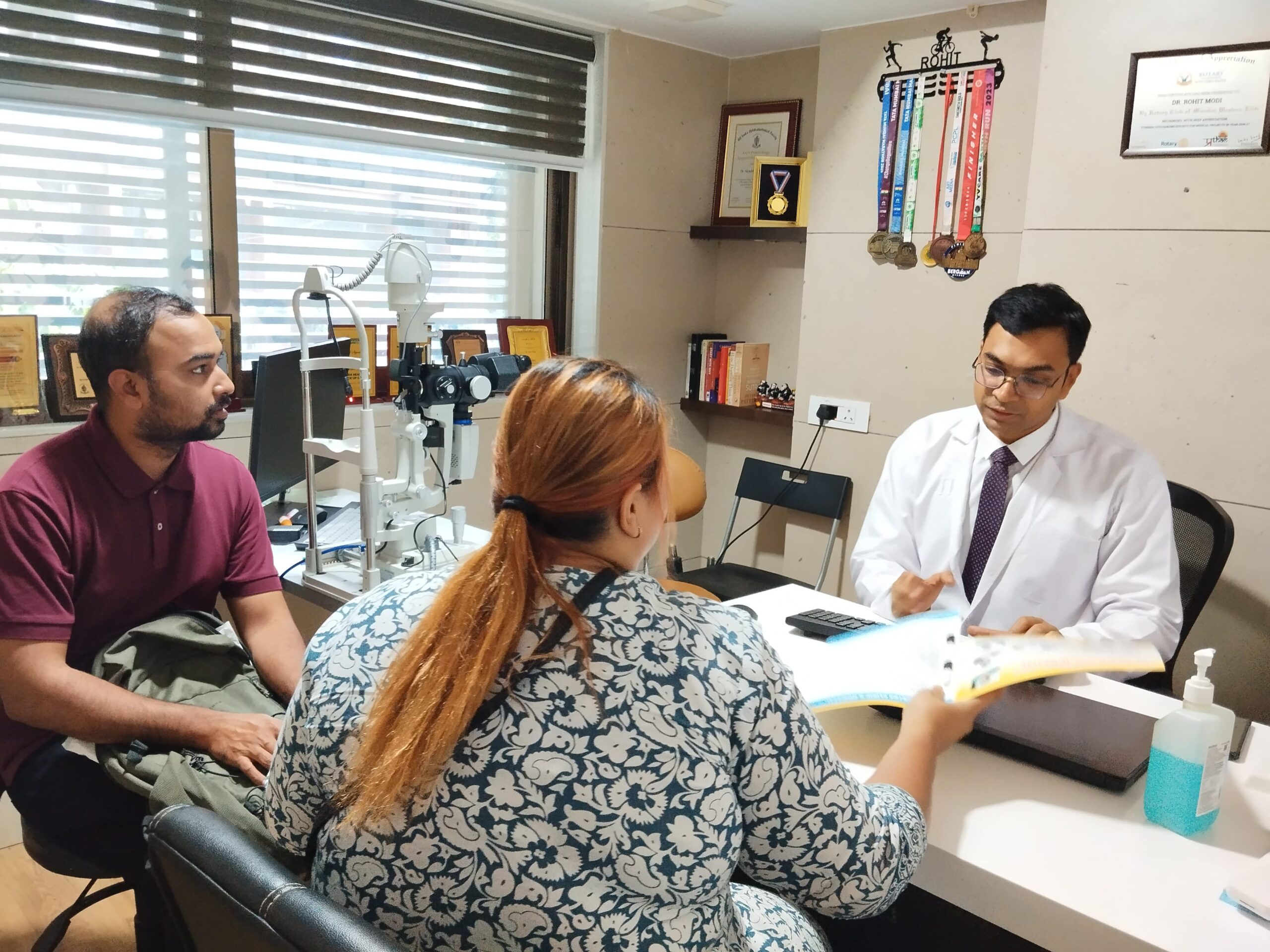
Sentra Clinic & Hospital, Malad East — a modern, welcoming environment for specialist eye care.
👁 Retina problems can't wait. Book your retina evaluation in Malad today.