
Cataract Surgery
Sharp Sight, New Beginnings – Advanced Eye Care!
Cataract surgery
A cataract, also known as motiya, is when the eye’s lens becomes cloudy, making it hard to see clearly. This can make everyday tasks like reading and driving difficult. At Sentra Hospital, our team of specialists uses advanced technology and years of experience to provide effective cataract care in mumbai, Maharashtra.
- Blurry or cloudy vision
- Increased sensitivity to light and glare
- Frequent changes in eyeglass prescriptions
- Difficulty seeing in low light
- Double vision in one eye
- Seeing halos around lights

Clients
Treatment Options for Cataracts
At Sentra Hospital, we are committed to restoring your vision and enhancing your quality of life with expert cataract treatment.

In the early stages, cataracts can be managed with prescription glasses to improve vision temporarily. Using brighter lighting and UV-protected sunglasses can also help reduce glare and light sensitivity.
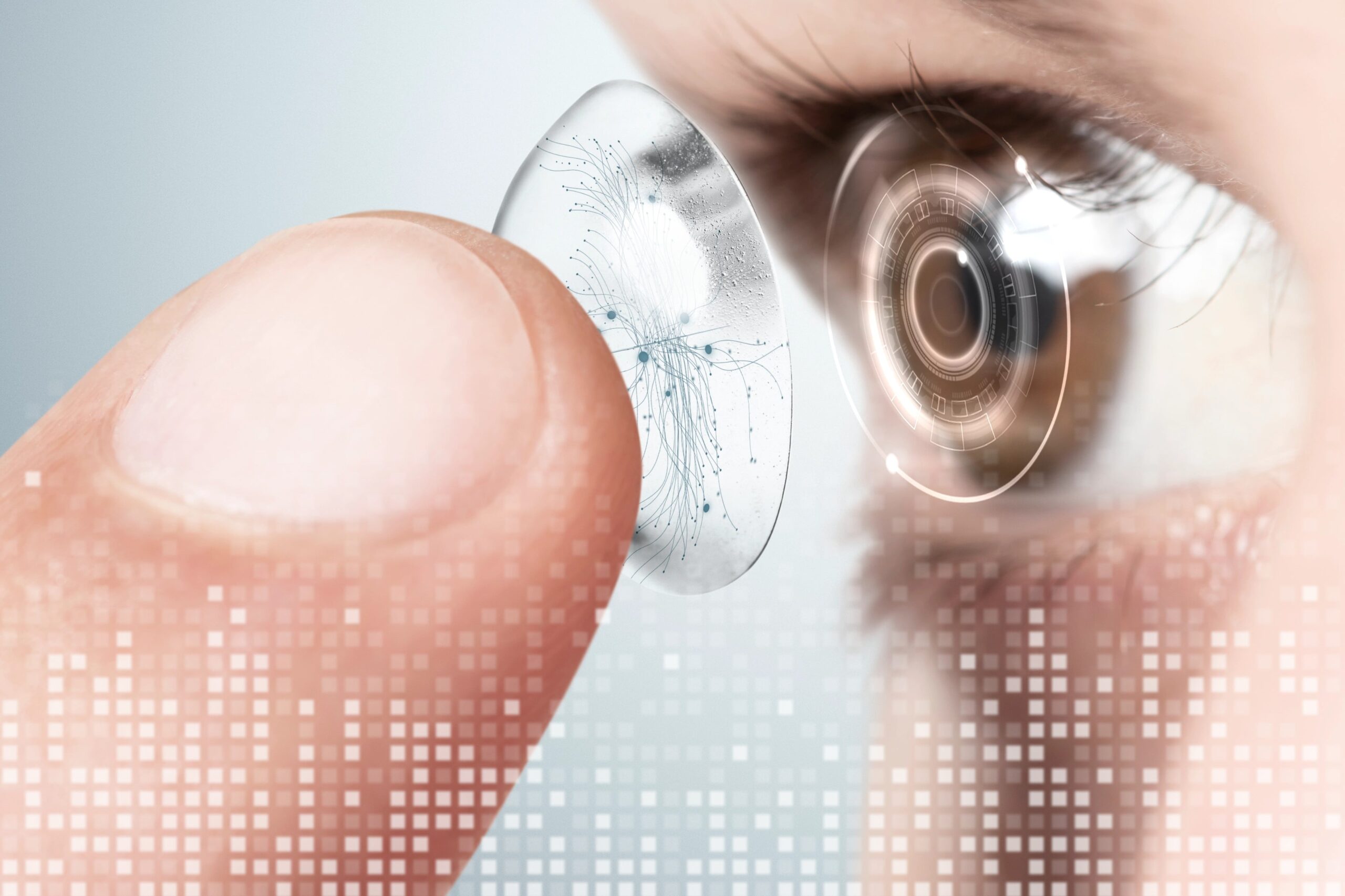
When cataracts impact your quality of life, surgery is often the best option. During cataract surgery, the cloudy lens is removed and replaced with an artificial intraocular lens (IOL) that suits your vision needs. Our experienced ophthalmologists ensure a safe, effective procedure with personalized care.
At Sentra Hospital, we are committed to restoring your vision and enhancing your quality of life with expert cataract treatment.
- Expert clinical skills
- Advanced healthcare solutions
- Comprehensive patient care
- Individualized treatment plans
- Renowned for quality care
Why Choose Us
Why trust us for your
medical care?
- Expert clinical skills—Our experienced doctors provide the best care using their advanced medical knowledge.
- Advanced healthcare solutions-— We use the latest technology to ensure accurate diagnosis and effective treatment.
- Comprehensive patient care- From diagnosis to recovery, we offer complete care for all your eye health needs.
- Individualized treatment plans—Every patient is unique, and we create personalized treatment plans to suit your specific needs.
- Renowned for quality care- Sentra Clinic and Hospital is known for providing top-quality eye care with excellent results.
Focused on Providing Outstanding Healthcare for Everyone, Every Day
If you’re experiencing cloudy vision, glare, or difficulty seeing at night, Sentra Clinic and Hospital is here for you. Our skilled specialists offer advanced cataract diagnosis and safe, effective surgery to restore clear vision and improve your quality of life.
FAQ
Your Questions, Our Expertise: Find Answers to Your Eye Care Needs
What is a cataract?
A cataract is the clouding of the natural lens inside the eye, leading to blurry vision, glare, difficulty in night driving, and decreased contrast sensitivity. It commonly occurs due to aging but can also result from diabetes, trauma, certain medications (steroids), or genetic factors.
How do I know if I need cataract surgery?
Cataract surgery is recommended when the cloudy lens starts affecting your daily activities, such as reading, driving, or recognizing faces. If your vision cannot be improved with glasses and is interfering with your quality of life, surgery is the best option.
Is cataract surgery painful?
No, cataract surgery is a painless procedure. It is performed under topical or local anesthesia (eye drops or a small injection around the eye), ensuring you remain comfortable throughout.
How long does the surgery take?
The actual procedure typically takes 10-15 minutes, but you may need to spend a couple of hours at the hospital for preparation and post-operative monitoring.
What are the different types of intraocular lenses (IOLs)?
There are several types of IOLs available:
Monofocal IOLs – Provide clear vision at one distance (usually for distance vision; glasses may be needed for reading).
Multifocal IOLs – Provide both distance and near vision, reducing dependence on glasses.
Toric IOLs – Correct astigmatism along with cataracts.
Extended Depth of Focus (EDOF) IOLs – Provide intermediate and distance vision with minimal halos or glare.
How is cataract surgery performed?
The most common technique is phacoemulsification, where an ultrasonic probe is used to break and remove the cloudy lens. A foldable artificial lens (IOL) is then implanted through a tiny incision (2-3 mm), which usually heals without stitches.
What is the recovery time after surgery?
Most patients notice an improvement in vision within 24–48 hours, but full stabilization can take a few weeks. You can resume normal activities within a few days but should avoid heavy lifting, rubbing the eye, and swimming for a few weeks.
What precautions should I take after surgery?
- Use prescribed eye drops as directed.
- Avoid touching or rubbing your eye.
- Wear protective glasses outdoors.
- Avoid strenuous activities for a few weeks.
- Follow up with your doctor as scheduled.
What are the risks of cataract surgery?
- Cataract surgery is very safe, but like any procedure, it carries small risks, such as:
- Infection (rare but serious)
- Swelling or inflammation
- Retinal detachment (rare)
- Glare or halos around lights
- Residual refractive error (may require glasses or a corrective procedure)
Can cataracts come back after surgery?
No, the cataract itself does not return. However, in some cases, the posterior capsule (the membrane behind the lens) may become cloudy over time. This is called posterior capsular opacification (PCO) and can be easily treated with a quick, painless laser procedure (YAG capsulotomy).