

Glaucoma care
Guiding You Through Glaucoma with Compassion and Care
Glaucoma care
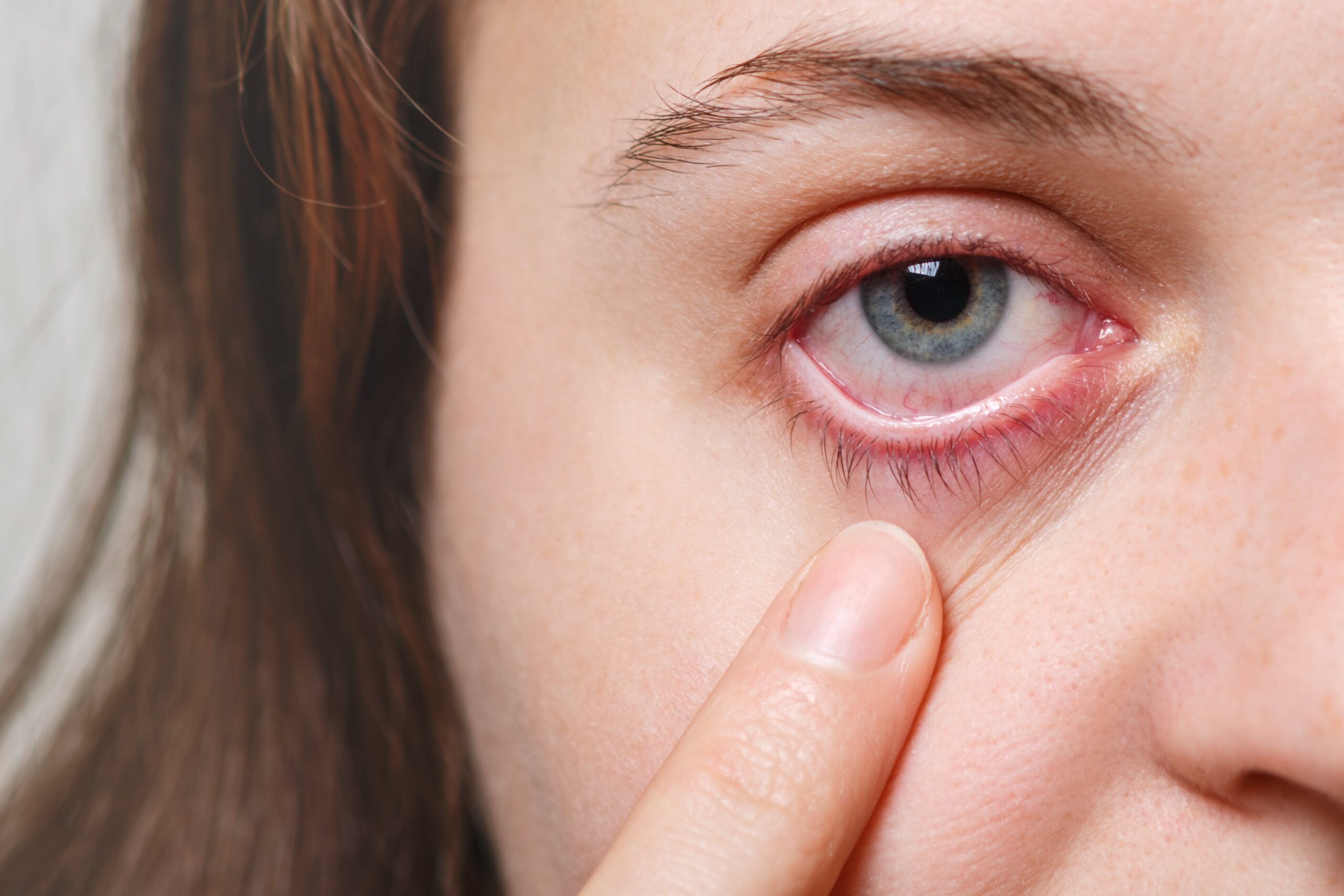
At Sentra Clinic and Hospital, we provide specialized care for glaucoma, often called the “silent thief of sight.” Glaucoma gradually damages the optic nerve and can lead to vision loss if not treated in time. In India, it remains one of the top causes of blindness, making regular check-ups and early diagnosis crucial.
Causes of Glaucoma
- Age: Risk increases after 40 years.
- High Eye Pressure (IOP)
- Family History
- Blood Flow Issues
- Thyroid Disorders
- Steroid Use
Clients
Treatment Options for Glaucoma
Our goal is to lower eye pressure and prevent further damage. Based on your condition, we may recommend

Eye drops or oral medications help lower intraocular pressure by either reducing fluid production in the eye or improving fluid drainage. These treatments are often the first line of defense in managing glaucoma and preventing further optic nerve damage.

Laser therapy is a safe and effective method to treat glaucoma by improving the outflow of fluid from the eye, thereby reducing intraocular pressure. Procedures like Selective Laser Trabeculoplasty (SLT) or
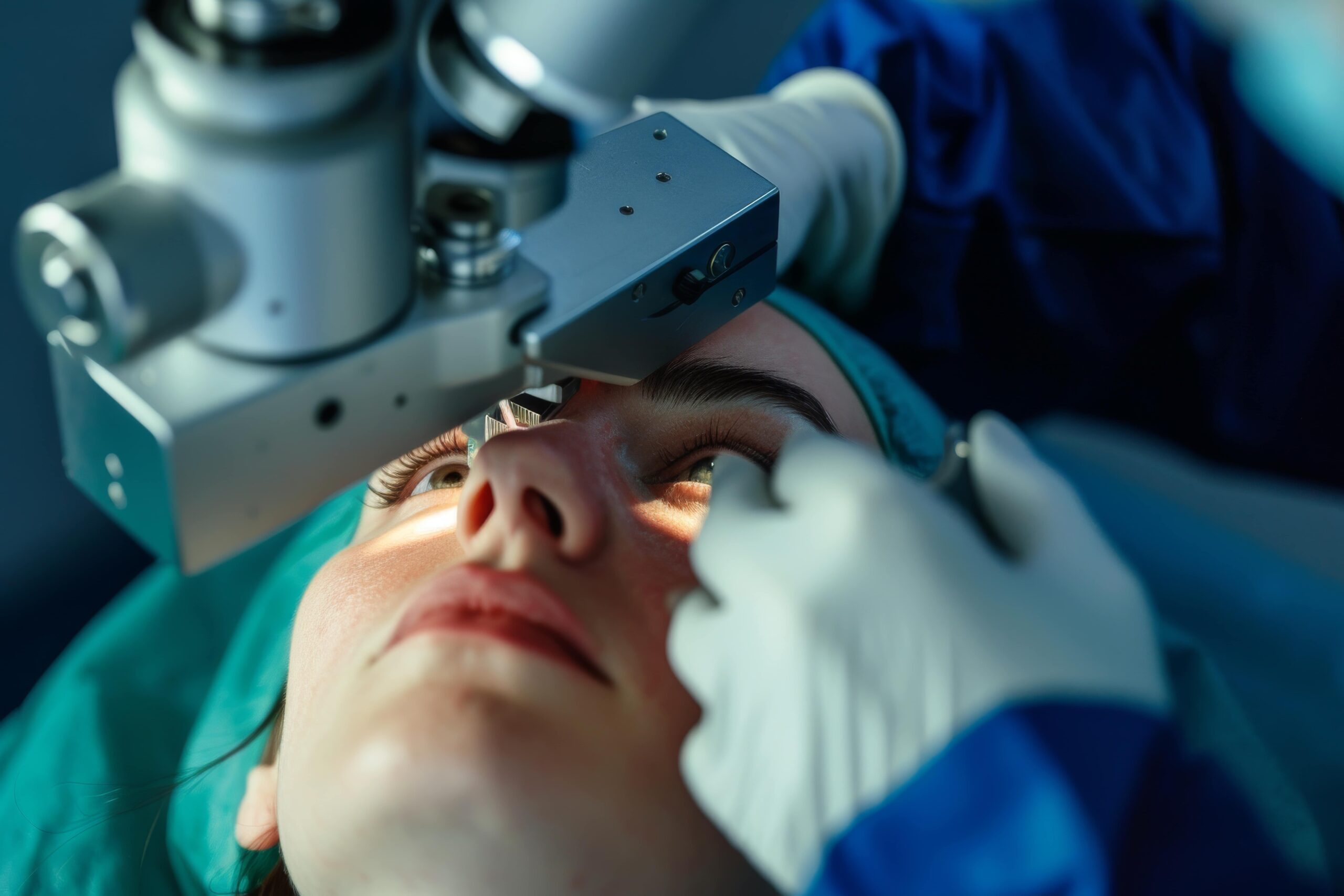
When medications and laser treatments are not enough to control glaucoma, surgical intervention may be necessary. Procedures such as trabeculectomy involve creating a new drainage channel for eye fluid to exit, reducing pressure effectively.
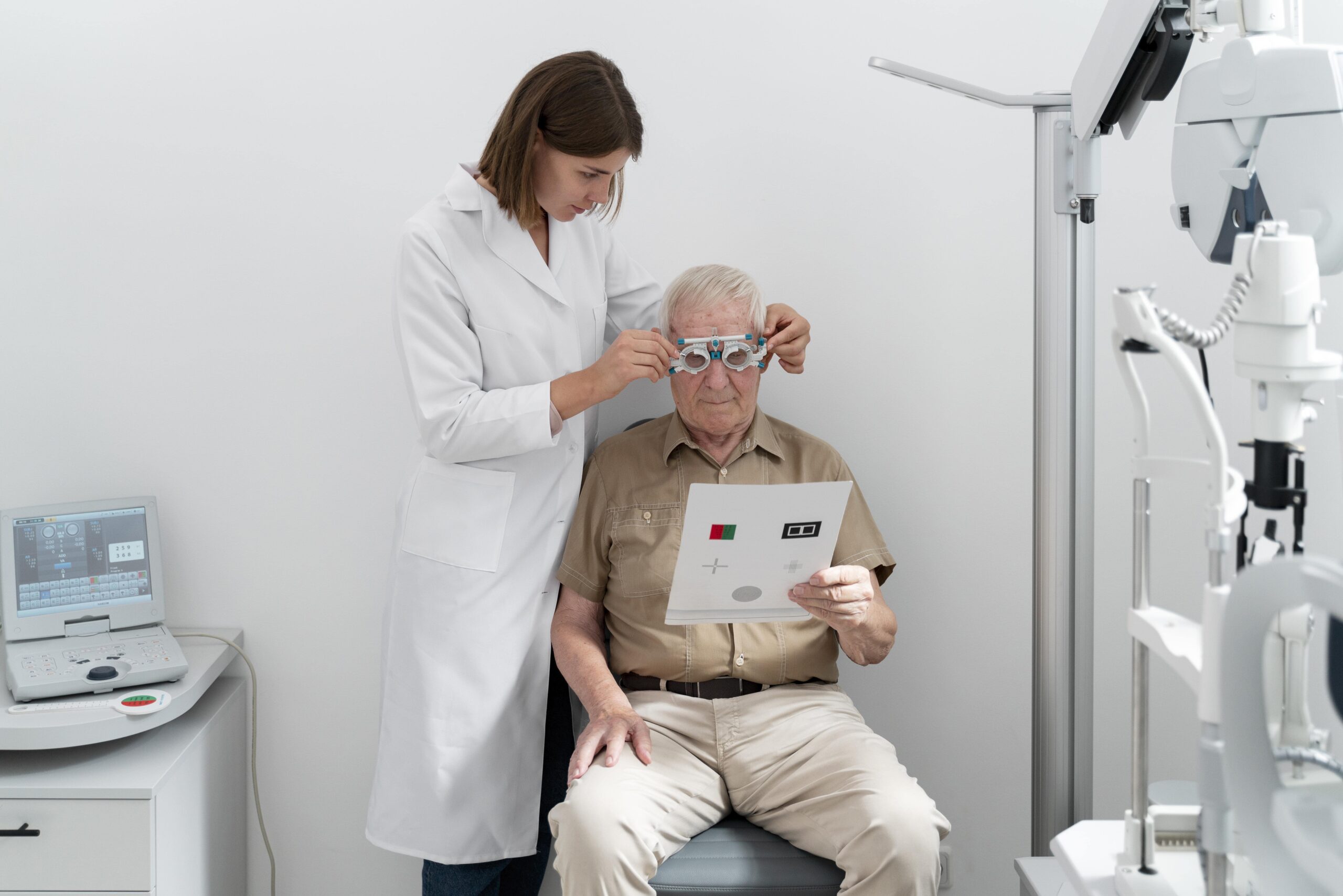
Some cases may require a mix of medications, laser treatments, and surgery for effective management.
- Expert clinical skills
- Advanced healthcare solutions
- Comprehensive patient care
- Individualized treatment plans
- Renowned for quality care
Why Choose Us
Why trust us for your
medical care?
- Expert clinical skills—Our experienced doctors provide the best care using their advanced medical knowledge.
- Advanced healthcare solutions-— We use the latest technology to ensure accurate diagnosis and effective treatment.
- Comprehensive patient care- From diagnosis to recovery, we offer complete care for all your eye health needs.
- Individualized treatment plans—Every patient is unique, and we create personalized treatment plans to suit your specific needs.
- Renowned for quality care- Sentra Clinic and Hospital is known for providing top-quality eye care with excellent results.
Focused on Providing Outstanding Healthcare for Everyone, Every Day
At Sentra, we are dedicated to helping you maintain healthy vision with expert care and personalized treatment plans.
FAQ
Your Questions, Our Expertise: Find Answers to Your Eye Care Needs
What is glaucoma?
Glaucoma is a group of eye diseases that damage the optic nerve, often due to increased intraocular pressure (IOP). If left untreated, it can cause permanent vision loss and blindness.
What causes glaucoma?
Glaucoma occurs when fluid buildup in the eye (aqueous humor) increases eye pressure, damaging the optic nerve. However, some types can occur even with normal eye pressure.
Who is at risk for glaucoma?
- You are at higher risk if you:
- Are over 40 years old
- Have a family history of glaucoma
- Have high eye pressure (IOP)
- Are diabetic or hypertensive
- Have high myopia or hyperopia
- Use long-term steroid medications
- Have had eye injuries or surgeries
What are the symptoms of glaucoma?
- Glaucoma is called the “silent thief of sight” because it often has no symptoms in early stages. As it progresses, symptoms may include:
- Loss of peripheral (side) vision
- Blurred vision
- Halos around lights
- Eye pain or headaches (in acute cases)
- Tunnel vision (in advanced cases)
What are the different types of glaucoma?
- rimary Open-Angle Glaucoma (POAG) – The most common type; progresses slowly and painlessly.
- Angle-Closure Glaucoma (ACG) – A sudden rise in eye pressure; a medical emergency.
- Normal-Tension Glaucoma (NTG) – Optic nerve damage occurs despite normal eye pressure.
- Congenital Glaucoma – Present at birth due to abnormal eye drainage.
- Secondary Glaucoma – Caused by trauma, steroids, diabetes, or other eye conditions.
How is glaucoma diagnosed?
- Glaucoma is diagnosed through:
- Tonometry – Measures eye pressure
- Ophthalmoscopy – Examines the optic nerve
- Perimetry (Visual Field Test) – Detects blind spots
- OCT (Optical Coherence Tomography) – Evaluates optic nerve damage
- Gonioscopy – Checks the drainage angle of the eye
Can I wear contact lenses if I have glaucoma?
Yes, but some eye drops can make contacts uncomfortable. Discuss with your doctor for the best option.
When is glaucoma surgery needed?
Surgery is considered when:
- Eye drops or laser treatments fail to control IOP.
- Glaucoma is rapidly progressing.
What are the different types of glaucoma surgery?
- Trabeculectomy – Creates a new drainage channel.
- Minimally Invasive Glaucoma Surgery (MIGS) – Less invasive, faster recovery.
- Drainage Implants (Shunts/Stents) – Helps fluid outflow.
What is Selective Laser Trabeculoplasty (SLT)?
SLT is a laser treatment that improves fluid drainage and reduces IOP. It is a good alternative if eye drops are not tolerated.
Is glaucoma hereditary?
Yes, glaucoma has a strong genetic component. If a close family member has glaucoma, regular screening is crucial.