Best Eye Hospital in Malad East? Start With Safety, Clarity and Follow-up
The phrase “best eye hospital in Malad East” is easy to search and difficult to define. The most suitable centre is not necessarily the one with the loudest claim, the lowest headline price or the longest list of procedures. For a patient, quality means the problem is evaluated properly, the doctor explains reasonable options, safety is prioritised and follow-up is available when it matters. Sentra Clinic is designed around those practical standards.
Whether you need a routine eye checkup in Malad East, cataract guidance, LASIK eligibility, a diabetic retina review or help with a child’s vision, the first step should be an appropriate assessment. The clinic is located at Shah Arcade 2 on Rani Sati Road. Call 93729 47075 or WhatsApp +91 93729 47075 to discuss an appointment rather than selecting a treatment from a search result alone.
A thoughtful local starting point
Eye problems can be simple, ongoing or urgent. A careful first assessment helps separate them and avoids guessing with random drops or stronger glasses. Sentra Clinic serves Malad East families with a doctor-led plan and clear next steps.
Bring your records, list your symptoms and ask questions. If the examination suggests a different level of care, the team can explain the reason and the next step instead of delaying it.

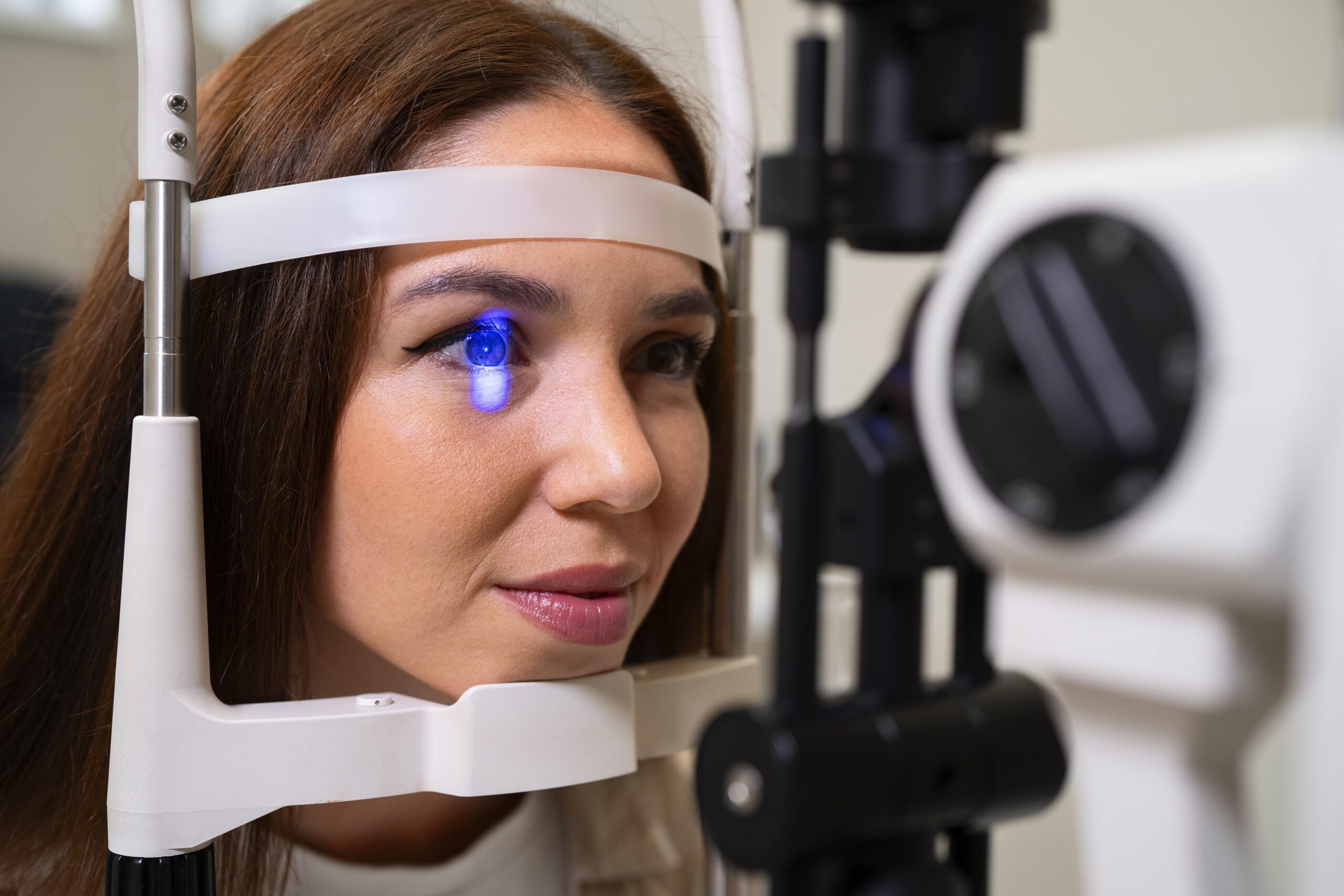
Representative eye-care image; the doctor selects tests according to each patient’s history and findings.
What “best” should mean for an eye patient
A good eye hospital makes the diagnosis and the patient’s priorities visible. Can the team explain why a test is necessary? Are both eyes assessed when relevant? Are risks and alternatives discussed before a procedure? Do you know who to contact if symptoms change? These questions matter more than a generic promise of perfect vision. Medical decisions should be based on examination findings, not on a keyword, celebrity story or a copied testimonial.
Sentra Clinic’s care model connects evaluation with a documented next step. That may be reassurance and a routine review, a prescription and surface-care advice, a retina screening schedule, a cataract conversation or a referral. Sometimes the safest plan is to wait. A trustworthy centre does not turn every visit into surgery. It helps you understand the trade-offs and choose care that fits your eyes, health and daily life.
Doctors, technology and judgement work together
Modern eye care uses instruments to measure details that cannot be judged by symptoms alone. Yet a machine printout is not a diagnosis. The doctor must interpret it alongside your age, history, medicines, previous procedures and the examination of the eye. An impressive test list does not help if no one explains which result matters. Ask what the test is assessing and whether it changes the treatment decision.
For refractive surgery, corneal mapping and tear-film assessment can be part of eligibility. For cataract, the health of the retina and optic nerve affects expected visual improvement. For glaucoma, pressure is interpreted with nerve and field findings. For diabetes, retinal examination and imaging can document change. The best eye hospital is therefore a combination of qualified clinical judgement, appropriate technology and a willingness to communicate uncertainty honestly.
A safe pathway for cataract patients
Cataract affects people differently. One person may manage comfortably with brighter light while another cannot drive at night or read medication labels. The right time to discuss surgery is when the visual change affects function and the examination supports it. During a consultation, ask what part of your vision is likely to improve, what may remain because of retina or cornea findings and what recovery restrictions apply to your routine.
Lens selection should be a shared decision. Your work, reading habits, night driving, astigmatism, budget and expectations all matter. The total estimate should identify what is included and what could create an additional charge. Never choose an intraocular lens only because an advertisement calls it premium. Ask the ophthalmologist to explain the likely benefits and compromises in your own case, then take time to decide.
Refractive surgery without pressure
LASIK and other refractive procedures can reduce dependence on glasses for suitable patients, but they are elective. A responsible evaluation looks at prescription stability, corneal thickness and shape, tear-film health, eye pressure, retinal health and general expectations. A person who wants to stop wearing glasses for every activity may have a different priority from someone who needs precise night vision for driving. Those priorities should be discussed before consent.
A low price is not a complete comparison. Ask who performs the procedure, what technology is used, what pre-operative tests are included, how many follow-ups are planned, what happens if the result needs enhancement and which symptoms require urgent contact. If you are not suitable, the answer protects your vision. Sentra Clinic can explain the next option, whether that means glasses, contact-lens review, treatment of dryness or a different surgical discussion.
Retina and glaucoma: quality means timely attention
Retinal problems and glaucoma often require a different kind of quality than a one-time prescription. The important things are baseline documentation, the correct interval for review, coordination with diabetes or blood-pressure care and a clear warning-sign plan. Sudden flashes, a burst of floaters, a curtain or abrupt vision loss should be reported promptly. A routine online booking form should not become a reason to delay urgent symptoms.
For glaucoma risk, the eye hospital should explain that pressure is one piece of the puzzle. For diabetic retinopathy, a person should understand why screening matters even when vision is clear. Carry older scans and field reports to appointments. Consistent follow-up makes it easier to recognise change and avoid both false reassurance and unnecessary alarm. Good care is measured across months and years, not only by the experience of one day.
Patient experience is part of clinical safety
Directions, appointment timing and accessible communication may sound like administrative details, but they influence whether a patient returns for care. A family should know where the clinic is, how long the visit may take, whether dilation could blur vision and what records to bring. Older adults may need a companion; children need a calm explanation; working patients may need help choosing a realistic follow-up slot.
At the consultation, write down the name and purpose of each drop. Confirm whether it goes in one eye or both, whether contact lenses must be stopped and when driving is safe. Ask for an estimate that separates consultation, investigations, medicines, surgery, lens and follow-up. If you do not understand the plan, request another explanation. Clear communication is not a luxury; it helps prevent avoidable medication and follow-up errors.
Local access in Malad East
Sentra Clinic is located at Shah Arcade 2, 002, First Floor, B Wing, Rani Sati Road, Malad East, Mumbai 400097. The location serves people from Malad East and neighbouring areas such as Dindoshi, Kurar and Pathanwadi. Traffic and parking can change, so call 93729 47075 for directions and appointment confirmation. WhatsApp at +91 93729 47075 can be used for basic coordination.
If you are comparing centres, make a written list of questions and take the same list to each consultation. Ask about diagnosis, alternatives, expected improvement, limitations, total cost and follow-up. Do not share passwords or financial information in a chat. This page is general information and does not declare that one centre is right for every person; the best decision depends on a proper examination and informed choice.
A practical checklist before you book
For a routine appointment, bring your current glasses, old prescriptions, reports, medicines and a note of your symptoms. For cataract or LASIK, add details of previous surgery, contact-lens wear, diabetes, blood pressure and any eye drops. For a child, bring school feedback. If you are seeking a second opinion, ask for the original scan files where possible, because a compressed photograph may hide important detail.
Seek urgent guidance instead of a routine appointment for sudden sight loss, severe eye pain, chemical injury, penetrating trauma, a new curtain or a sudden shower of flashes and floaters. Do not put household substances, someone else’s drops or leftover steroids into the eye. Call Sentra Clinic for direction, and use emergency services when the injury or vision change is severe. The safest hospital is the one you reach in time with the right information.
A fair comparison for families
When comparing an eye hospital, write down the same questions for every centre: who will examine you, what tests are needed, what alternatives exist, what is included in the estimate and how follow-up is handled. Ask for medical terms to be explained in everyday language. A family should never feel that asking about risk, cost or a second opinion is disrespectful.
Also compare access. A centre that is practical to reach may make it easier to attend post-operative reviews or bring an older parent for repeat testing. Keep copies of reports and consent documents. The strongest choice is the one that combines appropriate expertise with a plan you understand and can follow.
Compare care
Questions to ask about tests, treatment, cost, recovery and follow-up.
Cataract clarity
Make a lens and surgery decision based on your daily visual needs.
Emergency signs
Know when flashes, floaters, pain or sudden blur cannot wait.

Bring your questions
A good consultation is a conversation, not only a test result. Ask what has been found, what remains uncertain, what treatment is optional, how soon to return and which symptoms should prompt an earlier call.
If surgery is discussed, ask for expected benefits, limitations, recovery, alternatives and a complete written estimate. Informed decisions are safer decisions.
Need an eye consultation in Malad East?
Care that continues after the visit
Keep your prescription, investigation reports and medicine list together. Follow the timing written by the doctor and return when advised. If a symptom changes suddenly, do not wait for a routine follow-up.
This page is general educational information, not a diagnosis or a substitute for emergency care. Clinical recommendations, timings and fees are confirmed after an in-person assessment.

Frequently asked questions
How can I choose the best eye hospital in Malad East?
Compare the quality of examination, specialist access, explanation of alternatives, safety process, written estimate and follow-up—not only advertising or price.
Does the best eye hospital need to perform every procedure?
No. Responsible care includes recognising when another facility or subspecialist is more appropriate and arranging the next step without unnecessary delay.
Can I visit for a routine eye checkup before deciding on surgery?
Yes. Start with an examination and consultation. Surgery should only be discussed after the doctor confirms that it is medically suitable and matches your goals.
What questions should I ask before LASIK?
Ask about eligibility, corneal and tear-film findings, expected improvement, limitations, risks, follow-ups, enhancement policy and the complete cost.
What makes cataract care patient-friendly?
Clear explanation of timing, lens options, expected benefits, limitations, recovery instructions and a written cost and follow-up plan.
Do emergency eye symptoms need a regular appointment?
Sudden sight loss, severe pain, injury, chemical exposure, a curtain or sudden flashes and floaters need prompt guidance rather than a delayed routine slot.
Where is Sentra Clinic in Malad East?
Sentra Clinic is at Shah Arcade 2, 002, First Floor, B Wing, Rani Sati Road, Malad East, Mumbai 400097. Call 93729 47075 before travelling.