LASIK Eye Surgery in Malad — Freedom From Glasses
Imagine waking up tomorrow and reading the clock across the room — no groping for spectacles, no dried-out contacts. Advanced blade-free LASIK eye surgery in Malad, Mumbai at Sentra Clinic makes that morning your everyday reality, often in a single 15-minute procedure.
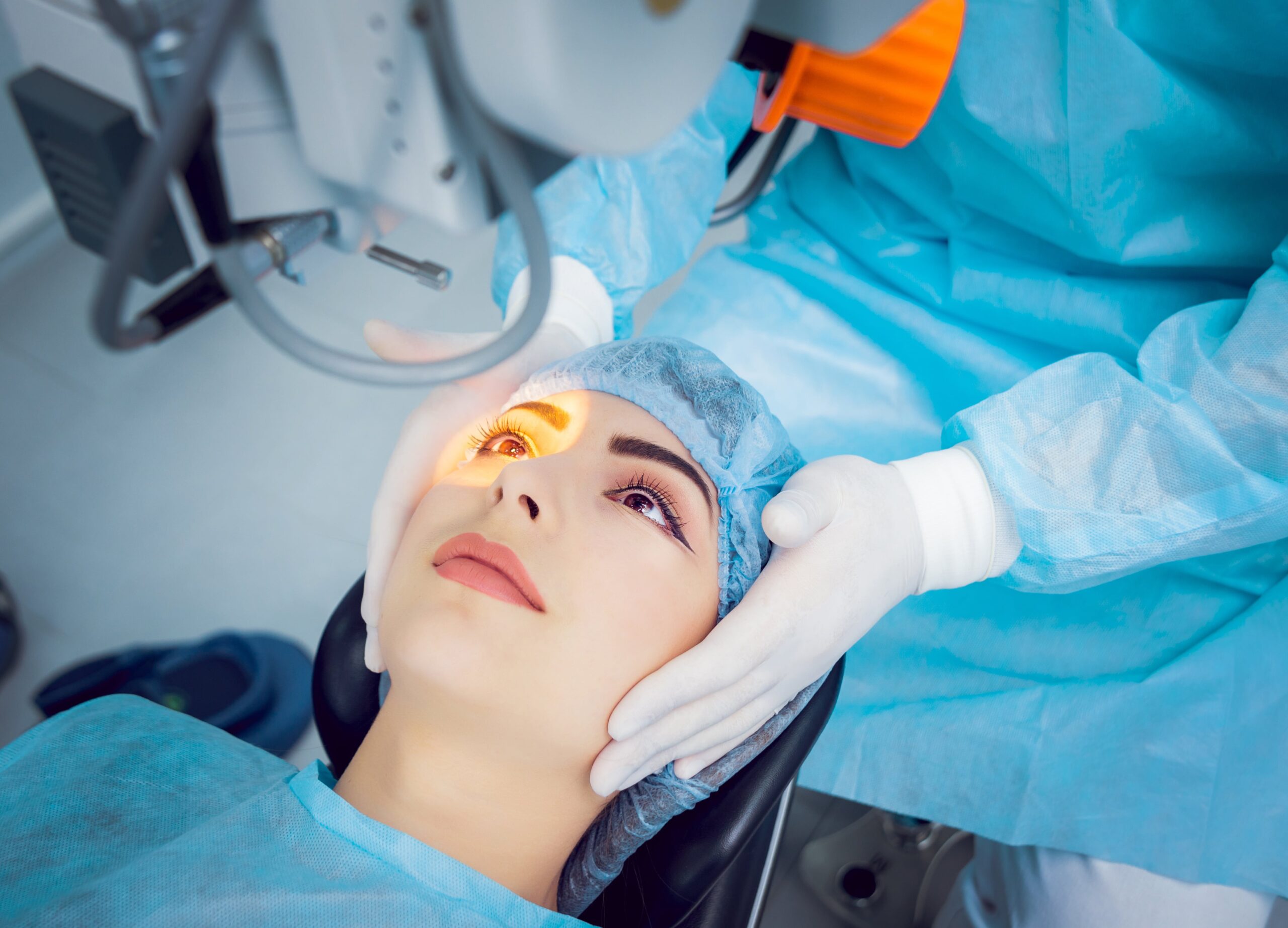
For anyone who has worn glasses or contact lenses for years, the idea of permanent clear vision can feel almost too good to be true. But LASIK eye surgery in Malad, Mumbai has quietly transformed the lives of thousands of patients across the Western Suburbs — letting them swim laps, play cricket, dance at weddings and drive at night without a single optical aid. At Sentra Clinic & Hospital, this life-changing procedure is performed by a dedicated cornea and refractive specialist, using technology that maps and corrects your individual corneal irregularities with sub-micron precision.
This guide is written for real patients — the software professional in Malad West squinting at a dual monitor, the college student in Kandivali tired of losing lenses in hostel life, the homemaker in Goregaon whose progressive bifocals keep sliding off. We will walk you through exactly how LASIK works, whether you qualify, what the day of surgery looks like, how quickly you recover, what it costs, and why the surgical team at Sentra Clinic is worth trusting with something as precious as your sight.
What Is LASIK and How Does It Correct Vision?
LASIK — short for Laser-Assisted In Situ Keratomileusis — is a refractive surgery that permanently reshapes the cornea, the transparent dome at the very front of your eye. The cornea is responsible for roughly 70% of your eye's focusing power. When its curvature is slightly off, light does not land precisely on your retina, and you see the world blurred. Glasses and contacts compensate for this error externally; LASIK corrects it at the source.
During the procedure, an ultra-precise excimer laser removes a carefully calculated microscopic layer of corneal tissue — measured in microns — to change how your eye bends incoming light. The result: rays that once scattered into blur now converge cleanly on your retina, giving you natural, unaided sharp vision. The entire laser treatment for one eye typically takes under 60 seconds, and the full procedure for both eyes is usually complete in 10–15 minutes.
Modern blade-free LASIK uses two different lasers: a femtosecond laser to create the protective corneal flap with extraordinary accuracy (replacing the older mechanical blade called a microkeratome), and an excimer laser to perform the actual reshaping. Because both steps are laser-guided, the precision is measured in fractions of a micron — far beyond what any blade could achieve.
How the Eye Focuses Light
Light enters through your cornea, passes through the lens behind your pupil, and should land in perfect focus on the retina at the back of the eye. If your cornea is too curved, light focuses in front of the retina — myopia (minus power, nearsightedness). Too flat, and it focuses behind the retina — hyperopia (plus power, farsightedness). An irregular oval shape causes astigmatism, producing distorted or doubled images. LASIK can address all three conditions, often simultaneously.

LASIK corrects the corneal curvature so light focuses cleanly on the retina — the foundation of unaided clear vision.
Which Refractive Errors Does LASIK Treat?
One of the most common questions we hear at Sentra Clinic is: "My power is minus three — can LASIK fix that?" The short answer is yes, for the vast majority of patients. LASIK corrects three distinct types of refractive error, and many patients have a combination of two or even all three.
Myopia (Nearsightedness)
If you can read your phone fine but the board at the front of a classroom or a cinema screen looks blurry, you have myopia — a minus power prescription. The cornea is too steep, making the eye "too powerful." LASIK flattens the central cornea to reduce that excess focusing. Standard LASIK routinely treats myopia up to around –8.00 D; higher powers may be better served by ICL surgery or Contoura Vision.
Hyperopia (Farsightedness)
If close-up tasks like reading cause eye strain, fatigue or headaches — while distant objects look reasonably clear — you likely have hyperopia, a plus power prescription. Here the cornea is too flat. LASIK steepens the central cornea to bring close objects into focus. Hyperopic LASIK is equally effective but demands precise eligibility screening, since the treatable range and corneal requirements differ from myopic LASIK.
Astigmatism (Cylindrical Power)
Astigmatism causes blurring or ghosting at all distances, because the cornea is shaped more like a rugby ball than a perfect sphere — with different curvatures in different meridians. It almost always accompanies myopia or hyperopia. LASIK treats astigmatism at the same time as it corrects spherical power, and Contoura Vision — which maps 22,000 individual corneal data points — is particularly effective for patients with complex or irregular astigmatism patterns.
Am I a Good Candidate? Full LASIK Eligibility Checklist
LASIK delivers spectacular results when the right patient has the right surgery. An ethical clinic's first job is to tell you honestly whether LASIK, an alternative like Contoura Vision or ICL, or no surgery at all is the right choice for your eyes. Here is what our surgeons assess — and what you can review yourself before coming in.
✅ You're Likely a Good Candidate If…
- You are 18 years or older (ideally 21+, when the eye's prescription typically stabilises).
- Your spectacle or contact lens power has been stable for at least 12 months — meaning it has not changed by more than 0.50 D in that period.
- Your refractive error falls within the treatable range for your chosen procedure (your scan will confirm this).
- Your corneas are of adequate thickness — the laser removes tissue, so enough must remain for structural safety after treatment.
- You have no active eye diseases such as keratoconus (corneal thinning), severe dry eye, uncontrolled glaucoma or active corneal infection.
- Your pupils are not excessively large in dim light (relevant for night-vision quality after surgery).
- You are not pregnant or breastfeeding (hormonal changes temporarily alter corneal shape and refraction).
- Your overall health is reasonable — certain autoimmune conditions and medications can affect healing.
❌ LASIK May Not Be Suitable If…
- You have keratoconus — a condition where the cornea progressively thins and bulges; laser treatment can accelerate this.
- Your corneas are too thin to safely accommodate the flap and the tissue removal.
- Your prescription is very high (e.g., beyond –10 D) — ICL is usually a better solution.
- You have significant, symptomatic dry eye — LASIK can worsen dry eye temporarily; this must be evaluated and, if needed, treated first.
- Your power is still changing year on year — operating on an unstable prescription increases regression risk.
- You have uncontrolled diabetes or autoimmune conditions that impair wound healing.
If LASIK is not right for you, that is not the end of the road — our team will guide you towards the most appropriate alternative, whether that's Contoura Vision, ICL, PRK or another approach.
🔍 Not Sure If You Qualify? Get Your Free LASIK Eligibility Scan at Sentra Clinic, Malad
The Pre-LASIK Eligibility Scan — What Happens During Your Evaluation

Detailed corneal mapping is the most important step before LASIK — it determines which procedure is safest and most effective for your eyes.
The pre-LASIK evaluation at Sentra Clinic is a comprehensive, multi-step diagnostic session that typically takes 60–90 minutes. We dilate your pupils, so please arrange someone to accompany you or avoid driving afterwards. Here is what we assess:
What Your Eligibility Scan Includes
- Corneal Topography & Tomography: Creates a detailed 3D map of your cornea's front and back surfaces, revealing shape, curvature, thickness at every point, and any irregularities that would rule out laser surgery or indicate keratoconus risk.
- Corneal Pachymetry: Measures central corneal thickness in microns — essential to confirm there is enough tissue for safe flap creation and laser ablation while maintaining structural integrity.
- Dry Eye Assessment: Evaluates your tear film quality, quantity and stability using Schirmer's test and slit-lamp examination. Significant dry eye is addressed before scheduling surgery.
- Cycloplegic Refraction: Your spectacle power is measured after dilating drops relax the focusing muscle, giving a true, unbiased reading of your refractive error.
- Pupillometry: Measures your pupil size under dim-light conditions — relevant to halos and glare risk after surgery.
- Slit-Lamp Examination: Checks for anterior segment pathology — conditions like pterygium, corneal scars or lens opacity that may influence the surgical plan.
- Fundus Examination: The retina and optic nerve are examined, particularly in high myopes who carry a slightly elevated risk of retinal changes.
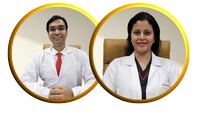
At the end of your scan, Dr. Rohit Modi or Dr. Shraddha Surekha will sit with you, explain exactly what the results show, and recommend — in plain language — whether LASIK, Contoura Vision, ICL or another approach best suits your eyes and lifestyle. There is no pressure, no upselling — just an honest clinical recommendation.
LASIK vs Contoura Vision vs ICL — Which Procedure Is Right for You?
Three procedures sit at the heart of modern refractive surgery, and each serves a different patient profile. Understanding the differences will help you ask the right questions during your consultation.
| Feature | Standard LASIK | Contoura Vision | ICL (Implantable Collamer Lens) |
|---|---|---|---|
| How it works | Excimer laser reshapes cornea using population-average treatment profiles | Topography-guided laser uses your individual corneal map (22,000+ data points) for a personalised ablation pattern | A biocompatible lens is implanted inside the eye, in front of the natural lens — cornea is untouched |
| Best suited for | Stable myopia, hyperopia or astigmatism within standard treatable ranges with adequate corneal thickness | Patients who want the sharpest possible visual quality, irregular astigmatism, or who have higher-order aberrations | High myopia (up to –20 D), thin corneas, large pupils, or patients not suitable for laser surgery |
| Reversible? | No — corneal tissue removed is permanent | No — same as LASIK | Yes — the ICL can be removed or replaced if needed |
| Corneal flap | Yes — femtosecond laser creates a thin flap | Yes — same as LASIK | No — no corneal flap; tiny incision only |
| Recovery | Vision usable by next day; stabilises over 4–6 weeks | Same timeline as LASIK; many patients notice slightly sharper quality earlier | Vision often excellent within 24–48 hours; full stabilisation over weeks |
| Dry eye risk | Mild temporary increase (nerve regrowth takes 3–6 months) | Similar to LASIK | Minimal — corneal nerves are not disrupted |
| Cost | ₹30,000 per eye | ₹35,000 per eye | ₹1,00,000 per eye |
| Learn more | You are here | Contoura Vision at Sentra Clinic → | ICL Surgery at Sentra Clinic → |
The LASIK Procedure, Step by Step — What Happens on Surgery Day
Many patients feel nervous in the weeks leading up to surgery — which is completely understandable. Knowing exactly what will happen, minute by minute, takes away most of that anxiety. Here is the full picture of your LASIK surgery day at Sentra Clinic.
Before You Arrive
Stop wearing soft contact lenses at least 3–5 days before surgery (rigid lenses need 2–4 weeks off). Avoid wearing eye makeup, creams or perfumes on surgery day. Eat a light meal beforehand. Arrange for someone to drive you home — you will not be able to drive immediately after. Wear comfortable, loose clothing. Leave jewellery at home.
- Pre-operative preparation (15–20 min): You arrive at Sentra Clinic, Malad. A nurse reviews your pre-op instructions, rechecks your power and confirms your surgical plan. Antibiotic eye drops are instilled to reduce infection risk.
- Anaesthetic drops (2 min): Topical anaesthetic eye drops are applied — there are no injections, no needles near the eye, and no general anaesthesia. Within a minute the eye surface is completely numb. You stay fully awake and relaxed throughout.
- Positioning & eyelid preparation (3 min): You lie on a reclining surgical chair and move under the laser microscope. A sterile speculum gently holds your eyelids open — you cannot accidentally blink during the laser. You will be asked to look at a blinking fixation light.
- Flap creation — femtosecond laser (less than 30 sec per eye): The femtosecond laser creates a thin, precise protective flap of corneal tissue. You may feel gentle pressure — not pain — for a few seconds. Vision dims briefly during this step, which is normal.
- Flap folded back (30 sec): The surgeon gently lifts and folds the flap aside, exposing the underlying corneal stroma. This is the tissue the excimer laser will reshape.
- Excimer laser reshaping (under 60 sec per eye): The excimer laser delivers precisely controlled pulses to remove microscopic amounts of stroma, reshaping the cornea according to your personalised treatment map. An eye-tracking system monitors your eye position thousands of times per second, auto-pausing if the eye moves, ensuring laser energy is delivered only where intended.
- Flap repositioned (1–2 min): The surgeon carefully repositions the flap over the treated cornea. It adheres naturally — no stitches required. The surgeon checks alignment under the microscope and irrigates gently.
- Post-operative drops & rest (20–30 min): Antibiotic and anti-inflammatory drops are applied. You rest in a quiet recovery area for 20–30 minutes. Your eyes may water and feel slightly gritty — this is expected. The team checks your eyes before you leave.
- You go home (same day): You are discharged with a prescription for eye drops, a protective eye shield for sleeping, and detailed written instructions. Your first follow-up is scheduled for the next morning. Most patients notice dramatically improved vision before they even reach home.
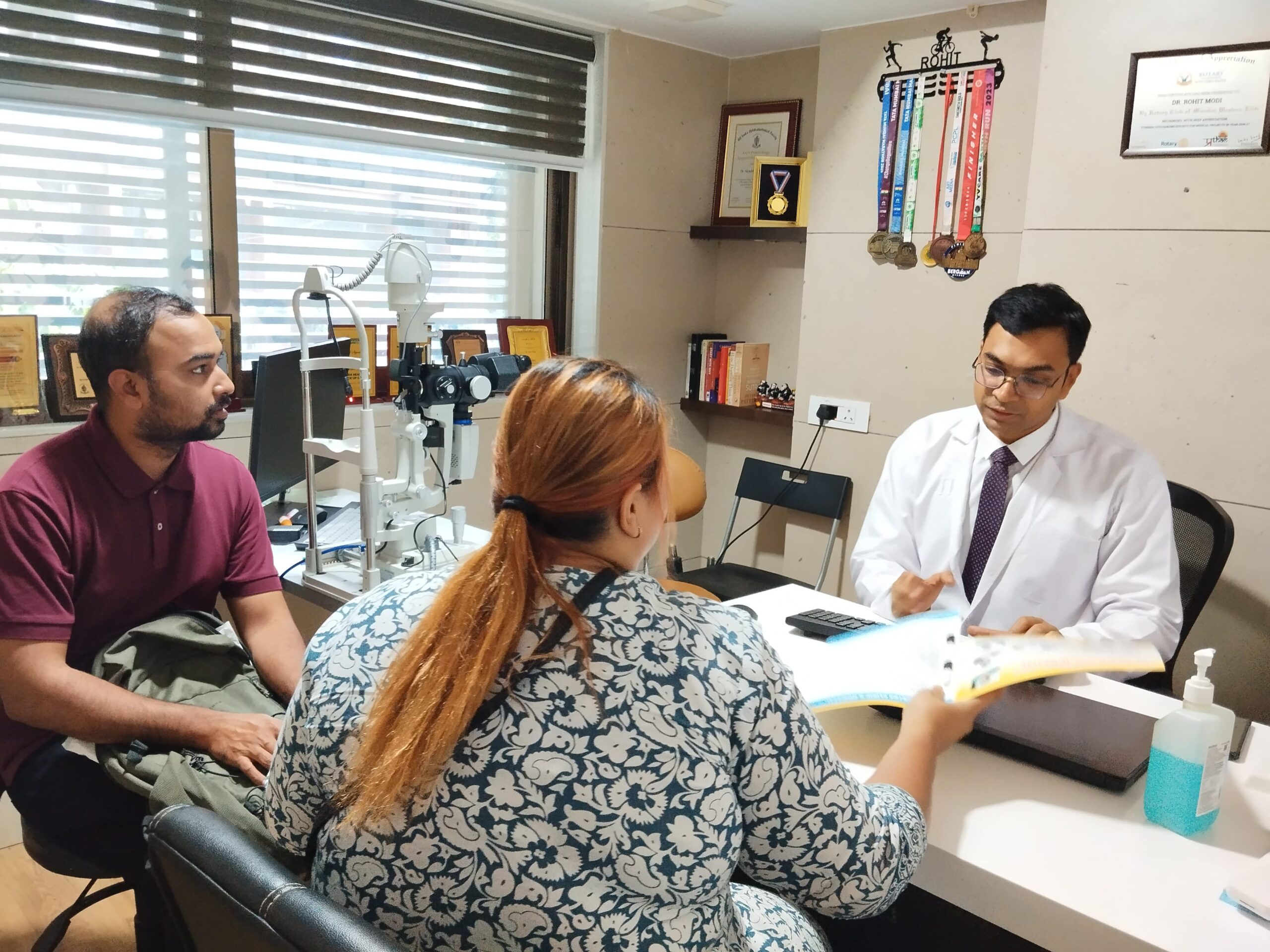
Our surgical team at Sentra Clinic prepares the operating environment to exacting standards before every LASIK procedure.
Advanced femtosecond and excimer laser technology for precise, safe LASIK outcomes.
Life After LASIK — Recovery Timeline Day by Day
One of the most common fears patients bring to our consultation is: "How long will I be out of action?" The honest answer is: much less than you probably expect. LASIK recovery is genuinely fast for most people — here is what a typical timeline looks like.
| Timeframe | What You'll Typically Experience | What You Can Do |
|---|---|---|
| Hours 0–6 | Watery eyes, mild gritty or burning sensation, light sensitivity, blurred or hazy vision. This is your cornea responding to the flap creation — it is temporary. | Rest at home with eyes closed. Sleep is ideal. Wear the protective shield provided. Avoid screens and bright light. |
| Day 1 (next morning) | Most patients wake up with noticeably clear vision — sometimes the clearest they have ever seen without glasses. Mild dryness or grittiness may linger. | Return to Sentra Clinic for your Day 1 review. Most patients can resume desk work, reading and gentle indoor activities. No driving yet. |
| Days 2–7 | Vision continues to sharpen. Dryness and occasional fluctuations are normal. Use your prescribed eye drops diligently — they are critical for healing. | Return to desk work and light daily activities. Continue all prescribed drops. Avoid rubbing the eyes, swimming, dusty environments, eye makeup and contact sports. |
| Weeks 2–4 | Vision stabilises progressively. Any mild halos or glare around lights at night — common in the first few weeks — gradually improve as the corneal surface heals. | Most outdoor activities resume. Avoid swimming pools, rivers or the sea (chlorine and microorganisms). No eye rubbing for at least one month. |
| Month 1–3 | Vision reaches its final, stable level. Corneal nerves regenerate fully during this period, restoring normal tear sensation. Dry eye symptoms, if present, typically resolve. | Resume all activities including swimming (with goggles), contact sports and strenuous exercise. Driving is fine from Day 1 review if vision meets legal standards. |
| Beyond 3 months | Your new, glasses-free life is now fully established. Annual eye check-ups at Sentra Clinic help monitor long-term corneal health. | Enjoy full, unrestricted life without glasses or contacts. |
Individual recovery experiences vary. Patients with higher prescriptions, thinner corneas or mild pre-existing dry eye may have a slightly longer stabilisation period. Your surgical team will give you personalised timelines at your Day 1 review and subsequent follow-ups.
Do's and Don'ts After LASIK Surgery — Your Essential Care Guide
Do's — Follow These Carefully
- Use all prescribed eye drops on schedule — antibiotic, anti-inflammatory and lubricating drops each serve a specific healing role.
- Wear the protective shield while sleeping for the first week to prevent accidental eye rubbing.
- Attend all follow-up appointments — Day 1, Week 1, Month 1 and as advised. These check-ups catch any issues early.
- Wear UV-protective sunglasses outdoors, especially in the first month — your cornea is healing and UV exposure can affect outcomes.
- Stay hydrated and maintain good nutrition — your body's healing capacity benefits from proper nutrition.
- Rest your eyes if they feel strained, especially in the first few days. Frequent blinking and lubricating drops help.
- Keep the eyes clean and dry after washing face — splash carefully and pat dry, avoiding direct water pressure.
Don'ts — Protect Your Healing Eyes
- Do not rub your eyes — ever, during the first month. The corneal flap, though it adheres quickly, can be displaced by pressure in the early weeks.
- Do not swim in pools, rivers, lakes or the sea for at least 4 weeks after surgery. Chlorine and microorganisms are serious infection risks.
- Do not wear eye makeup (kajal, mascara, eye shadow) for at least 2 weeks.
- Do not skip your drops — even if your eyes feel fine. The full course is essential for preventing infection and inflammation.
- Do not engage in contact sports or activities with risk of eye impact for 4–6 weeks.
- Do not drive until your surgeon clears you at your Day 1 review and your vision meets legal requirements.
- Do not use any over-the-counter eye drops not prescribed by your surgeon — some contain preservatives that can disrupt healing.
- Do not ignore symptoms like sudden sharp pain, significant vision loss or increasing redness — contact Sentra Clinic immediately.
Safety, Risks and Realistic Expectations from LASIK
For the right candidate, LASIK unlocks a genuinely glasses-free, active life — the kind of freedom patients describe as "life-changing."
LASIK is one of the most extensively studied elective surgical procedures ever performed, with decades of peer-reviewed safety data supporting its track record. Serious, vision-threatening complications are genuinely rare — and the primary safeguard is the rigorous eligibility screening that happens before surgery, not during it. Unsuitable candidates are identified and redirected; suitable candidates have an extremely high likelihood of excellent outcomes.
Possible Side Effects and How They Are Managed
- Dry eye (most common): LASIK temporarily reduces corneal nerve sensitivity, which can decrease tear production for 3–6 months. Lubricating drops manage this effectively. Patients with pre-existing dry eye are identified in the eligibility scan and treated — or offered ICL, which does not affect corneal nerves.
- Halos and glare: Some patients notice increased halos around lights at night in the first few weeks. These typically diminish as the corneal surface heals. Pupil size and treatment zone are optimised to minimise this risk.
- Under- or over-correction: Rarely, the cornea heals in a way that leaves a residual prescription. In eligible cases, an enhancement procedure can be performed after the refraction has stabilised (usually after 3–6 months).
- Flap complications: Extremely rare with modern femtosecond laser flap creation. If any flap irregularity occurs, it is typically identified and addressed at the time of surgery.
- Infection: Very rare, given sterile technique and antibiotic drops. If early signs are detected at follow-up, they are treated promptly.
Realistic Expectations — What LASIK Can and Cannot Promise
The vast majority of suitable LASIK patients achieve excellent unaided vision — many reaching 6/6 (20/20) or better. However, outcomes vary by pre-operative power, corneal characteristics and individual healing. Your surgeon will give you a realistic prediction based on your specific scan results. LASIK does not prevent age-related changes: presbyopia (reading difficulty after age 40) still develops with age and is separate from your LASIK correction. The goal of LASIK is to eliminate or dramatically reduce your dependence on glasses and contacts for distance vision — and for the right candidate, it delivers on that promise remarkably well.
Why Choose Dr. Rohit Modi & Dr. Shraddha Surekha for LASIK in Malad
Refractive surgery is not a commodity. The technology matters, but the surgeon's judgment — in selecting the right procedure, planning the right treatment, and managing any complications — matters even more. Here is who you are trusting when you choose Sentra Clinic for LASIK eye surgery in Malad, Mumbai.
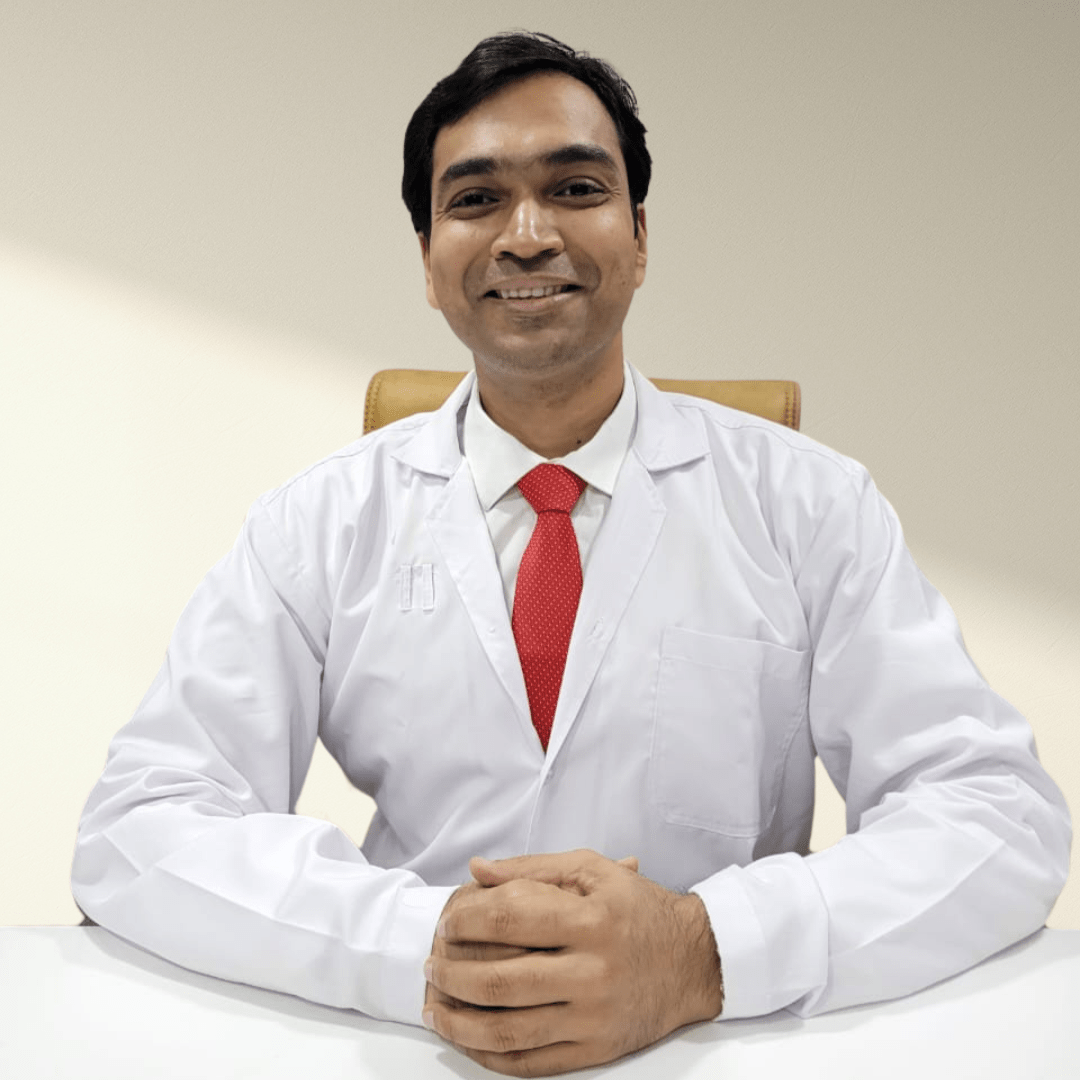
Dr. Rohit Modi
Founder & Director Fellow, RCS Glasgow
Eye Surgeon, Retina Specialist and Healthcare Innovator with 13+ years in ophthalmology. Dr. Modi has performed over 10,000 successful eye surgeries covering cataract, retina and refractive procedures. He holds Fellowship from the Royal College of Surgeons (Glasgow, UK) and the International Council of Ophthalmology (UK), serves as a Visiting Surgeon at JJ Group of Hospitals & Government Grant Medical College, and has published 20+ research papers in leading ophthalmology journals. He personally conducts your eligibility consultation, your surgery, and your follow-ups — you are never handed off to a junior resident.
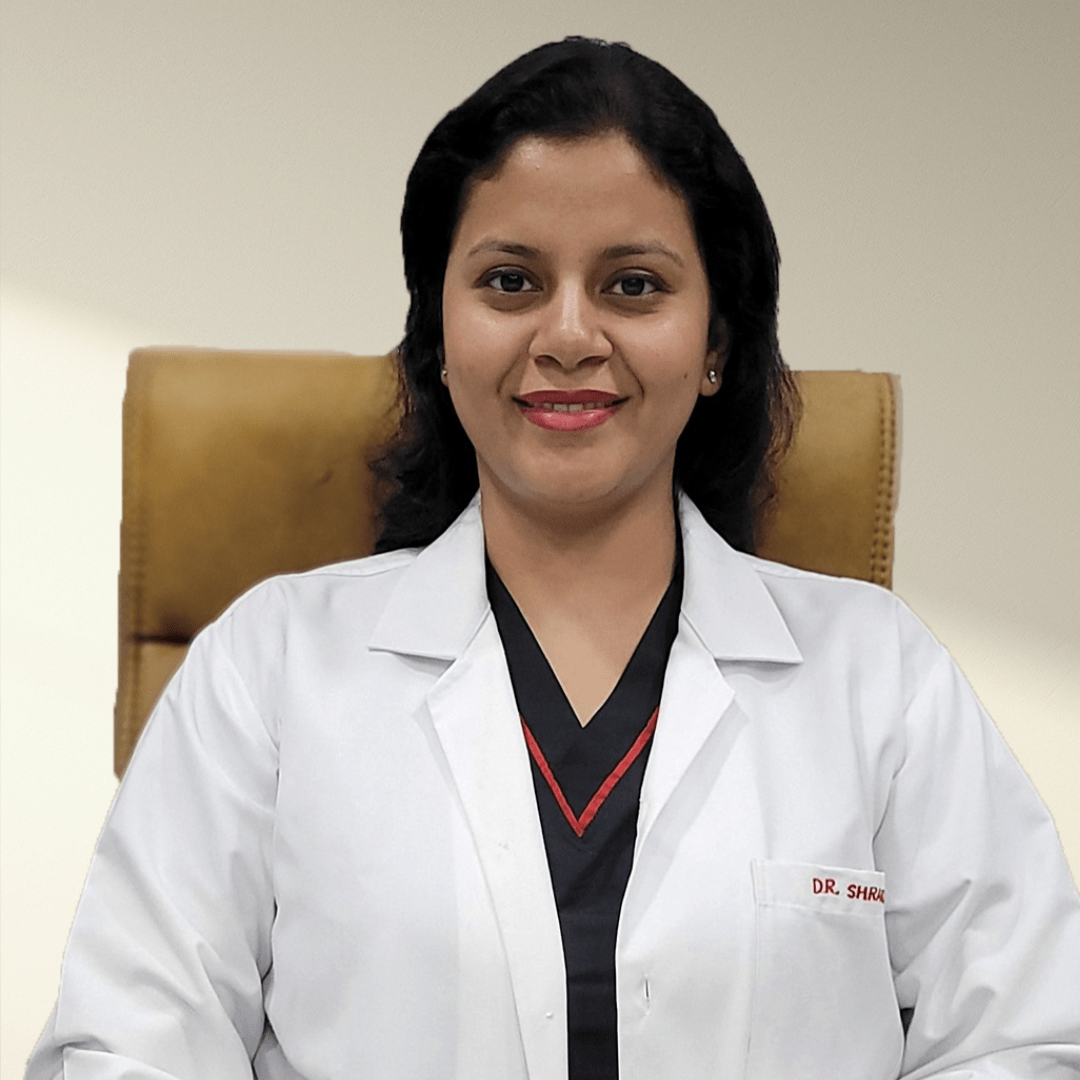
Dr. Shraddha Surekha
Co-Founder Cornea & Refractive Specialist
Eye Surgeon and Cornea & Refractive Specialist with 10+ years of experience, specialising in Laser Vision Correction (LASIK, PRK, SMILE), Advanced Cataract Surgery, Corneal Transplantation and Keratoconus management. Trained at the prestigious KEM Hospital & Seth GS Medical College and LV Prasad Eye Institute — among India's finest institutions for cornea and refractive surgery. Honorary Surgeon at Sir JJ Group of Hospitals. Dr. Surekha leads the refractive surgery programme at Sentra Clinic and personally evaluates every LASIK candidate's corneal topography data before any surgical decision is made.
Together, Dr. Modi and Dr. Surekha bring a rare combination of subspecialty depth — retina and cornea expertise under one roof — that allows Sentra Clinic to manage the full spectrum of eye conditions and to refer patients appropriately within the same team if unexpected findings emerge during evaluation. This integrated care model is uncommon in a community clinic setting, and it is a significant reason why Sentra Clinic holds a 4.9-star Google rating across 222+ reviews.
What Patients Say About Their LASIK Experience
"Overall the experience with Dr Rohit Modi is amazing and excellent, the staff was graceful and smiling. Outstanding — the best eye care facility in Mumbai. Doctor is very polite and calm, my both eyes laser done and my vision is excellent now."
— Suraj Rathi, Google Review ⭐⭐⭐⭐⭐"Best experience with Dr Rohit Modi, best eyes doctor, extremely well organised. The staff and doctor both polite and patient, services awesome. Superb doctor, highly recommend."
— MUKESH Kevadiya, Google Review ⭐⭐⭐⭐⭐LASIK Cost in Mumbai and EMI Options
Sentra Clinic believes in complete cost transparency. Your eligibility scan consultation includes a detailed quote with no hidden charges.
One of the most frequently asked questions from patients considering LASIK eye surgery in Mumbai is: "How much does it cost?" The honest answer is that cost depends on the technology chosen (standard LASIK, Contoura Vision, or ICL), and Sentra Clinic's pricing is best confirmed with a personalised quote after your eligibility scan — because we do not believe in quoting prices for a procedure before we know which procedure is actually right for your eyes.
What we can tell you is this: we will never recommend a more expensive option because it generates more revenue. Our surgeons recommend the procedure that gives your specific corneal anatomy the safest and most effective outcome. If standard LASIK is right for you, we will say so — even if Contoura Vision costs more.
| Procedure | Approximate Cost (per eye) |
|---|---|
| Standard LASIK | ₹30,000 per eye |
| Contoura Vision (Topography-Guided LASIK) | ₹35,000 per eye |
| ICL (Implantable Collamer Lens) | ₹1,00,000 per eye |
EMI and Financing Options
We understand that quality eye care is an investment, and we want to make it accessible. EMI payment plans are available — speak to our reception team to understand the options. Consider this: the cumulative cost of glasses, contact lenses, solutions and regular optometrist visits over a decade is often comparable to a single LASIK procedure — after which most patients need neither.
For a complete, up-to-date cost breakdown with no surprises, visit our dedicated LASIK surgery cost guide for Mumbai patients.
📋 Get a Transparent, All-Inclusive LASIK Quote — Book Your Free Eligibility Scan Today
Real Patient Experiences with LASIK at Sentra Clinic
Numbers and credentials matter, but nothing answers the question "Can I trust this clinic?" quite like hearing from real patients who were once sitting exactly where you are now — nervous, hopeful and unsure. Here are some of their stories, shared on Google.
"Best eye clinic in malad east. Any eye related issues please highly recommended."
— Yugalkishore Sharma, Google Review ⭐⭐⭐⭐⭐"Dr. Rohit Modi has been exceptional. He is always available and provides detailed explanations that offer great comfort. His professionalism is truly commendable."
— Jaya Modi, Google Review ⭐⭐⭐⭐⭐"Thank you Dr. Shraddha Sureka for the treatment she gave my mother. She is so knowledgeable and kind, her diagnosis and medication is exceptional and precise, and gives sufficient time to listen to patients even though the clinic is crowded."
— Rupa, Google Review ⭐⭐⭐⭐⭐"Dr Rohit Modi and Dr Rahul Modi, dono doctors bahot ache hai, experience bahot acha raha humara."
— Shweta Bohra, Google Review ⭐⭐⭐⭐⭐"Dr Rohit Modi is best doctor. Service is awesome. Very nice experience. Best eye clinic in Mumbai, staff is very supportive."
— Shiv Kumar Gupta, Google Review ⭐⭐⭐⭐⭐"Very nice clinic, very clean and hygienic. Dr Shraddha is very polite and kind, explains very well, staff is very helpful."
— Sahil Srivastav, Google Review ⭐⭐⭐⭐⭐The team at Sentra Clinic & Hospital — committed to giving every patient the same warm, expert care regardless of whether it's a routine check-up or a LASIK procedure.
LASIK Eye Surgery for Malad, Goregaon and Kandivali Residents
Finding a high-quality LASIK surgeon used to mean travelling to South Mumbai or a distant suburb — a deterrent for many families across the Western Suburbs. Sentra Clinic was founded precisely to change that. As a specialist eye hospital in Malad East, we bring consultant-grade refractive surgery expertise to a neighbourhood setting, without compromising on technology or surgical standards.
We serve patients from across the Western Suburbs corridor — Malad West, Malad East, Goregaon East, Goregaon West, Kandivali East, Kandivali West, Borivali, Kurar Village, Eksar, Marve Road and beyond. Many patients from Andheri and Jogeshwari also travel to us because they have found the expertise and patient care at Sentra Clinic worth the extra distance.
Getting to Sentra Clinic, Malad
We are located at Shah Arcade 2, 002, First Floor, B Wing, Rani Sati Road, Malad East, Mumbai — 400097. The clinic is easily accessible by auto-rickshaw from Malad Railway Station (Western Line), by bus from Goregaon and Kandivali, and has parking available. We are a unit of Narayan Drishti, with a dedicated team focused exclusively on eye care.
- 📍 Address: Shah Arcade 2, 002, First Floor, B Wing, Rani Sati Rd, Malad East, Mumbai 400097
- 📞 Phone: 93729 47075 | 022 4605 7489
- 💬 WhatsApp: 93729 47075
- ✉️ Email: sentramalad@gmail.com
- 🌐 Website: sentraclinic.com
If you are searching for LASIK eye surgery near Goregaon, LASIK in Kandivali, or the best laser eye surgery clinic in the Western Suburbs of Mumbai, Sentra Clinic is your nearest specialist centre with a dedicated cornea and refractive surgery programme.
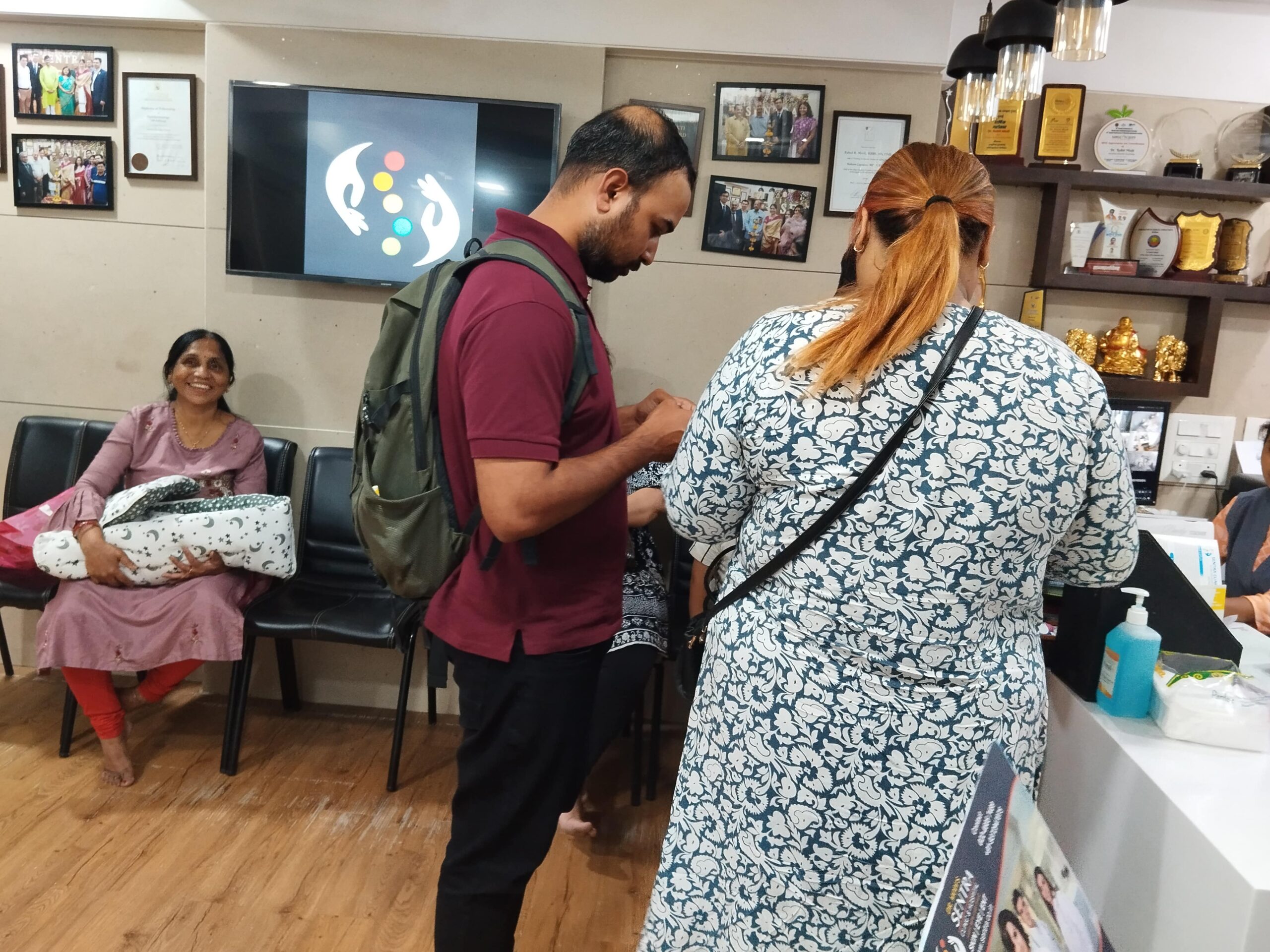
Sentra Clinic is centrally located in Malad East, easily accessible from Malad, Goregaon and Kandivali.
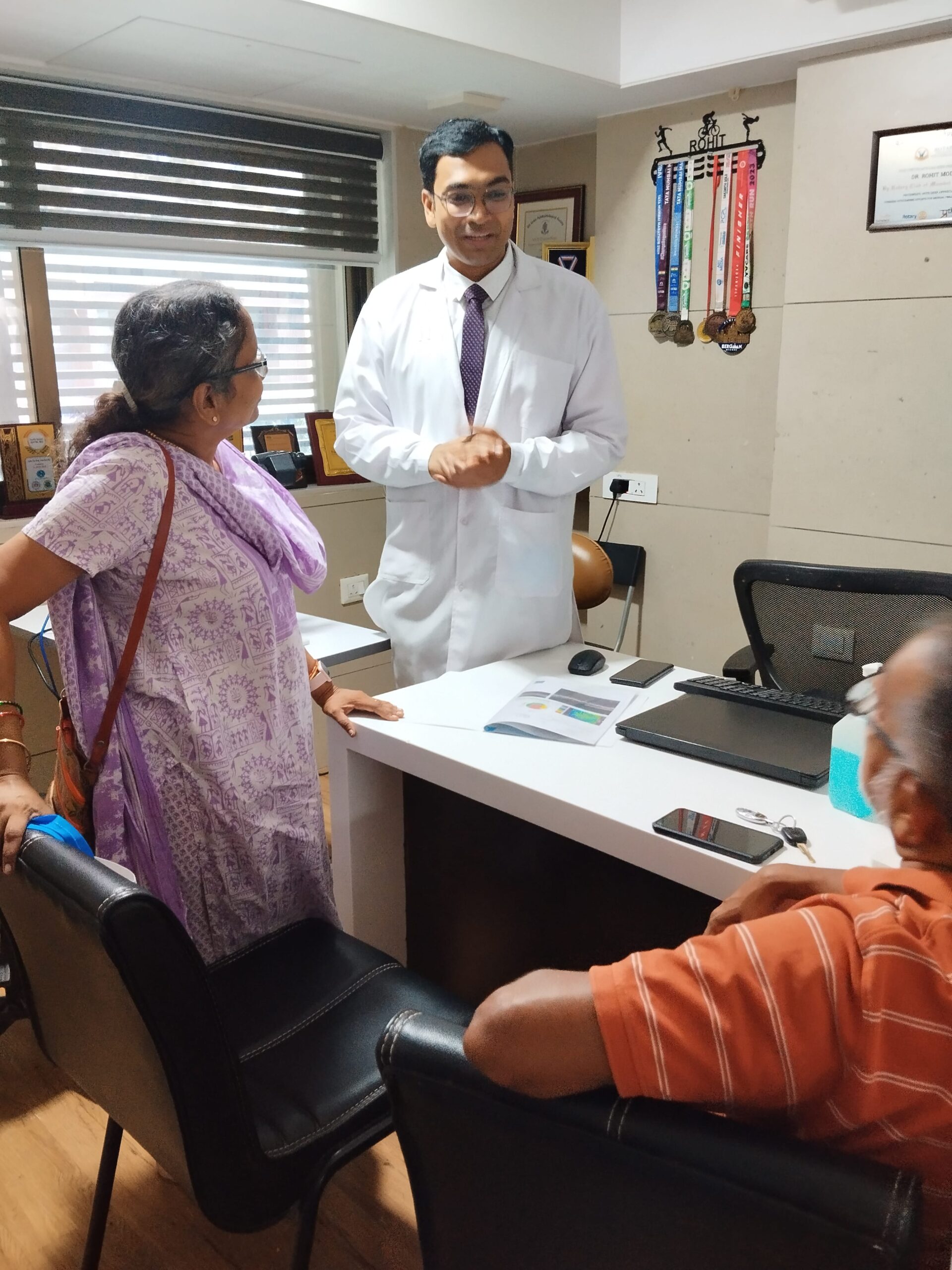
Sentra Clinic & Hospital — a warm, professional environment for your LASIK consultation and surgery.
Frequently Asked Questions About LASIK Eye Surgery in Mumbai
Is LASIK eye surgery painful?
No — LASIK is not painful. Anaesthetic eye drops numb the surface of your eye completely before the procedure begins. During surgery you may feel gentle pressure for a few seconds during flap creation, but no pain. After the procedure, it is normal to experience mild grittiness, watering and light sensitivity for a few hours — most patients sleep this off and wake up with clear, comfortable vision. Serious post-operative pain is very uncommon and should be reported to us immediately if it occurs.
How long does LASIK eye surgery take?
The laser treatment itself takes under 60 seconds per eye. The full procedure for both eyes — including preparation, positioning and post-operative checks — is typically completed in 10–15 minutes. You will be at the clinic for approximately 2–3 hours in total, including pre-operative preparation and the post-operative rest period.
Kya chashma hatane ka operation safe hai? (Is glasses-removal surgery safe?)
Haan — LASIK duniya ki sabse zyada ki jaane wali elective surgeries mein se hai. Iske peeche decades ki safety research hai. Serious complications bahut rare hain, aur modern eligibility screening isi liye ki jaati hai — taaki unsuitable candidates identify ho sakein surgery se pehle, na ki baad mein. Aapki detailed eligibility scan ke baad hi surgery schedule hoti hai. Sentra Clinic mein Dr. Shraddha Surekha, jo ek experienced cornea aur refractive specialist hain, personally har candidate ka topography data review karti hain.
How many days of rest are needed after LASIK?
Most patients can resume desk-based work, reading and gentle indoor activities by the morning after surgery (Day 1), after their follow-up review at our clinic. You should avoid driving until your surgeon clears you at your Day 1 appointment. Strenuous exercise, swimming and contact sports should be avoided for 4–6 weeks. Most people are functionally back to normal life within 24–48 hours of LASIK.
What if my power is -10 D or higher?
Very high prescriptions — typically beyond –8.00 D to –10.00 D for myopia — are often better treated with ICL (Implantable Collamer Lens) rather than laser surgery. ICL places a biocompatible lens inside the eye and can treat prescriptions up to –20 D, making it the preferred option when the prescription is too high or the cornea too thin for safe laser ablation. Your eligibility scan at Sentra Clinic will determine which approach is right for you. Read more on our ICL surgery page.
Can the prescription come back after LASIK?
In a small number of patients, some regression — a partial return of refractive error — can occur over years, particularly if the prescription was not fully stable before surgery. This is precisely why we require at least 12 months of documented prescription stability before proceeding. If minor regression does occur in an eligible patient, an enhancement (retreatment) procedure may be possible after the cornea has stabilised. During your consultation, your surgeon will explain the regression risk profile specific to your prescription and corneal characteristics.
Will I still need reading glasses after LASIK?
LASIK corrects distance vision for myopia, hyperopia and astigmatism, but it does not prevent presbyopia — the natural age-related reduction in the eye's ability to focus up close, which typically begins around age 40–45. If you are over 40 and currently relying on your myopia (minus power) to read without glasses, LASIK may mean you need reading glasses for close work. This is worth discussing in your consultation so you have a complete picture of the post-LASIK visual experience relevant to your age and lifestyle.
Is LASIK available near Malad West, Goregaon and Kandivali?
Yes — Sentra Clinic is located in Malad East on Rani Sati Road, easily accessible from Malad West, Goregaon East, Goregaon West, Kandivali East, Kandivali West, Borivali, Kurar and across the Western Railway corridor. We are a short auto-rickshaw or cab ride from Malad and Goregaon railway stations. Many patients from Andheri and Jogeshwari also travel to us for our specialist refractive surgery expertise. Visit us at Shah Arcade 2, 002, First Floor, B Wing, Rani Sati Rd, Malad East — or WhatsApp us to confirm the quickest route from your area.
What is the difference between standard LASIK and Contoura Vision?
Standard LASIK uses a population-average treatment algorithm to reshape the cornea based on your spectacle prescription. Contoura Vision is a topography-guided form of LASIK that maps over 22,000 individual data points on your corneal surface, allowing the laser to treat not just your spectacle power but also unique corneal irregularities that glasses cannot correct. The result, for suitable patients, is often sharper, crisper vision — particularly in challenging conditions like night driving. Learn more on our dedicated Contoura Vision page.
How do I know if I am eligible for LASIK? What does the eligibility scan include?
The definitive way to know is a comprehensive pre-LASIK eligibility scan at Sentra Clinic — which is offered free of charge as a consultation. The scan includes corneal topography (3D corneal map), pachymetry (corneal thickness measurement), cycloplegic refraction (your true prescription under relaxed focusing), dry eye assessment, pupillometry and a detailed slit-lamp examination. The full session takes approximately 60–90 minutes. Based on the results, Dr. Shraddha Surekha will give you a clear, honest recommendation. Call 93729 47075 or WhatsApp us to schedule yours.
Book Your Free LASIK Eligibility Consultation at Sentra Clinic, Malad
The first step toward glasses-free vision is simpler than you think. A single phone call or WhatsApp message books your comprehensive LASIK eligibility scan — a 60–90 minute appointment where our refractive specialists evaluate your corneas, confirm your suitability, and answer every question you have in detail. There is no pressure, no sales pitch, and no obligation. Just an honest, expert clinical opinion about what is possible for your eyes.
Thousands of patients in Malad, Goregaon, Kandivali and across Mumbai's Western Suburbs have made this decision — and the overwhelming majority describe it as one of the best choices they have ever made. Whether you have worn glasses since childhood, are struggling with thick-frame prescriptions as an adult, or simply want the freedom to live an active life without optical aids, LASIK at Sentra Clinic may be your answer.
If you are not a LASIK candidate — because of thin corneas, high power, or dry eye — our surgeons will tell you that clearly, explain why, and guide you towards the procedure that is right for you. No appropriate patient who wants to reduce glasses dependence leaves Sentra Clinic without a clear path forward.
Take the first step today. Your eyes are worth the conversation.
- 📍 Shah Arcade 2, 002, First Floor, B Wing, Rani Sati Rd, Malad East, Mumbai 400097
- 📞 93729 47075 | 022 4605 7489
- 💬 WhatsApp: 93729 47075
- ✉️ sentramalad@gmail.com

The convenience of glasses-free life is real — and a single eligibility scan is all it takes to find out if LASIK is right for you.
👁️ Your Free LASIK Eligibility Scan Is One Call Away — No Obligation, Just Honest Answers