
Ophthalmologist in Malad East for Diagnosis Beyond Glasses
An ophthalmologist is a medical eye specialist who can evaluate eye disease as well as vision and glasses. That distinction matters when symptoms are persistent, when a routine prescription is not improving sight, or when a condition may need drops, monitoring or surgery. Sentra Clinic provides ophthalmology consultations in Malad East for people who want a reasoned assessment of the eye—not just a quick number written on a prescription.
The clinic on Rani Sati Road is a practical starting point for cornea, refractive, cataract, glaucoma, retina, diabetic-eye and general eye-health concerns. You do not need to diagnose yourself before calling. Explain the symptom, its timing and any health conditions; the team can help schedule the appropriate appointment. Call 93729 47075 or WhatsApp +91 93729 47075 for current availability.
A thoughtful local starting point
Eye problems can be simple, ongoing or urgent. A careful first assessment helps separate them and avoids guessing with random drops or stronger glasses. Sentra Clinic serves Malad East families with a doctor-led plan and clear next steps.
Bring your records, list your symptoms and ask questions. If the examination suggests a different level of care, the team can explain the reason and the next step instead of delaying it.

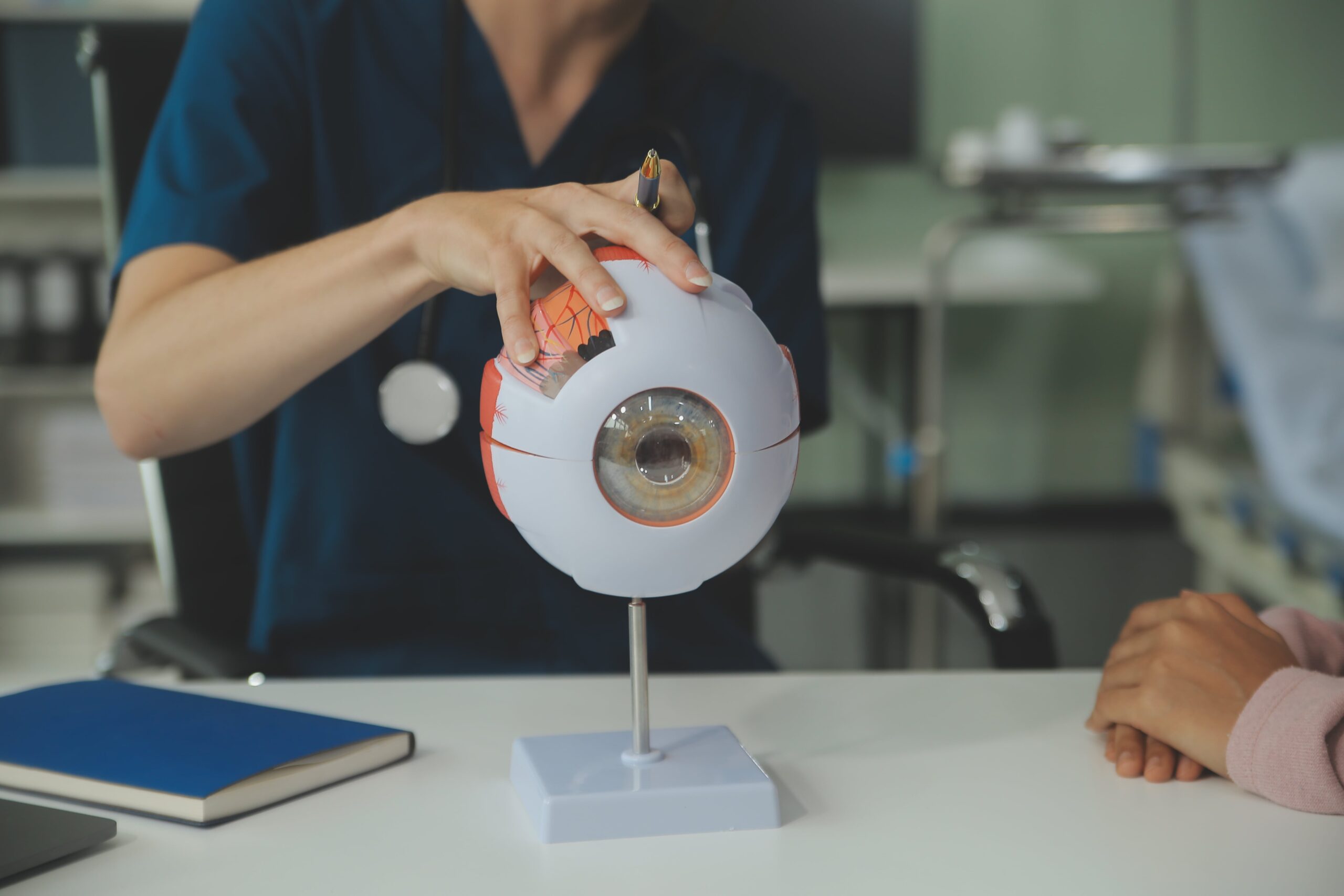
Representative eye-care image; the doctor selects tests according to each patient’s history and findings.
Ophthalmologist versus optometrist or optical store
Optometrists and optical professionals play valuable roles in measuring vision and helping with spectacles or contact lenses. An ophthalmologist is a medical doctor trained to examine the eye for disease and manage medical or surgical problems. Depending on the practice, care may involve several professionals working together. Knowing which level of care you need prevents a person with pain, retinal symptoms or cataract from treating the problem as only a lens issue.
A referral is sensible when there is a mismatch between symptoms and the prescription, reduced vision in one eye, recurrent redness, unexplained headaches, diabetes, a family history of glaucoma, previous surgery or a need for a procedure. The goal is not to make every visit complicated. It is to make sure the examination is proportional to the risk and that the patient understands what has been ruled out.
Cornea and refractive evaluation
The cornea is the clear front window of the eye and contributes much of its focusing power. Dryness, infection, scars, keratoconus, irregular shape and contact-lens complications can all affect vision. A person may describe fluctuating blur that gets worse after blinking less or wearing lenses for long hours. An ophthalmologist can examine the surface and shape of the cornea and decide whether lubrication, lens changes, monitoring or a specialist pathway is appropriate.
People considering LASIK or other refractive procedures need more than enthusiasm and a stable glasses number. Corneal thickness and topography, tear-film health, prescription stability, age, pupil considerations and the rest of the eye are relevant. A safe recommendation may be to proceed, to treat the surface first, to monitor or to avoid surgery. A good consultation respects that “not a candidate” is a useful medical answer.
Cataract and lens decisions
Cataract can make a familiar neighbourhood look hazy, reduce contrast on stairs and produce glare while driving at night. Some people notice that colours look less bright or that reading becomes tiring even after a new prescription. The decision about surgery is based on how the change affects your daily life and what the examination shows. There is no single correct date for every patient, and a rushed decision can create unnecessary anxiety.
During a cataract consultation, ask about the health of the cornea, retina and optic nerve, the purpose of the proposed lens, expected spectacle dependence and recovery restrictions. Share diabetes, blood-pressure, heart, blood-thinning and other medicine details. The ophthalmologist should distinguish what surgery can improve from what may remain because of another eye condition. A written plan and a chance to ask questions are part of informed consent.
Glaucoma: why pressure is not the whole story
Glaucoma can damage the optic nerve gradually, often without pain or an obvious change in everyday vision. Eye pressure is important, but risk assessment also considers the optic-nerve appearance, corneal thickness, visual field, family history and other findings. Some people with apparently normal pressure can still have glaucoma, while a higher reading does not automatically mean permanent damage. Repeated, properly interpreted examinations help clarify risk.
If drops are prescribed, ask whether they are for pressure control, inflammation, infection or another reason; different medicines are not interchangeable. Learn the correct technique, the schedule and what side effects need a call. Do not stop long-term glaucoma treatment because vision feels normal. Bring prior fields, scans and pressure records to follow-up because trends and consistency help the ophthalmologist make safer decisions.
Retina and diabetic-eye assessment
The retina converts light into signals for the brain, and changes there can be vision-threatening even when the eye is not painful. Diabetes, high blood pressure, age-related macular problems, high myopia and previous vascular events can increase the need for surveillance. A dilated examination may be recommended, and imaging can document the macula or optic nerve. Ask how often you should return instead of relying on a general annual rule.
Flashes, a sudden increase in floaters, a dark curtain, a missing area of vision or sudden distortion require timely advice. Do not wait to see whether the symptom disappears after sleep. Contact the clinic and describe which eye is affected and exactly when the change began. For people with diabetes, keeping glucose, blood pressure and cholesterol under medical care supports eye health, but does not replace retinal screening.
Children and family ophthalmology
An ophthalmologist can assess children when parents notice a squint, a drifting eye, one eye closing in bright light, difficulty copying from the board or frequent rubbing. Children may not know how to describe double vision or blur. Assessment looks at each eye, how the eyes work together and whether the visual system is developing normally. Earlier treatment is often easier than waiting until a child has adapted to seeing poorly.
Family history can guide attention: high myopia, glaucoma, retinal disease and childhood squint are worth mentioning. Parents should bring school feedback, previous glasses and a timeline of changes. Explain that the visit is not a test the child can fail. Comfort, trust and a follow-up interval that the family can attend are essential to useful paediatric eye care.
What to expect from a specialist consultation
Start with an honest symptom history, including what you have already tried. Bring contact-lens details, old prescriptions, scans, discharge summaries and a complete medicine list. The ophthalmologist may check vision, refraction, pupils, alignment, eye movements, the cornea and lens, pressure and the retina. Dilation is not automatically required for every person, but it may be recommended when a view of the back of the eye is important.
Before the appointment ends, repeat the plan in your own words: working diagnosis, tests completed, treatment, warning signs and follow-up. Ask what improvement should look like and when to call if it does not happen. If surgery is discussed, ask about alternatives, likely benefits, limitations, recovery and total costs. Specialist care is most valuable when the patient can make an informed decision rather than simply agreeing to a technical term.
Local access for Malad East patients
Sentra Clinic is at Shah Arcade 2, 002, First Floor, B Wing, Rani Sati Road, Malad East, Mumbai 400097. It is accessible for families living on the eastern side of Malad and nearby areas, but travel time can change with traffic. Call 93729 47075 to confirm the appointment, ask about the current clinic schedule or request directions. WhatsApp coordination is available at +91 93729 47075.
Keep your reports in one folder and write down your top three questions. If dilation is likely, arrange transport and sunglasses. If you are seeking a second opinion, bring the original reports rather than only a phone photograph. This page provides general information and cannot diagnose an individual. Sudden sight loss, serious injury or severe pain should be treated as urgent and not postponed for a routine booking.
Questions that make the appointment more useful
Patients often remember the main complaint but forget the details that help a doctor find the pattern. Before you leave home, note whether the blur is worse at distance or near, whether blinking changes it, whether one eye is affected, and whether the symptom is linked to a new medicine, illness or long screen session. Write down how often it happens and what you were doing at the time. A short timeline is more useful than trying to remember everything under pressure.
Also note the outcome you hope for. You may want to read comfortably, drive with less glare, understand whether cataract has started, or know whether a child needs glasses. Sharing that goal helps the eye doctor explain realistic options. It is appropriate to ask for a second explanation, an estimate of the follow-up schedule and a copy of important reports. The consultation works best when the patient and doctor make the plan together.
Cornea care
Surface, contact-lens and corneal-shape concerns need careful examination.
Refractive options
Learn why eligibility assessment comes before LASIK planning.
Glaucoma awareness
Understand why pressure, nerve and field findings are reviewed together.

Bring your questions
A good consultation is a conversation, not only a test result. Ask what has been found, what remains uncertain, what treatment is optional, how soon to return and which symptoms should prompt an earlier call.
If surgery is discussed, ask for expected benefits, limitations, recovery, alternatives and a complete written estimate. Informed decisions are safer decisions.
Need an eye consultation in Malad East?
Care that continues after the visit
Keep your prescription, investigation reports and medicine list together. Follow the timing written by the doctor and return when advised. If a symptom changes suddenly, do not wait for a routine follow-up.
This page is general educational information, not a diagnosis or a substitute for emergency care. Clinical recommendations, timings and fees are confirmed after an in-person assessment.

Frequently asked questions
What does an ophthalmologist do?
An ophthalmologist is a medical eye specialist who evaluates vision and eye disease and can manage medical or surgical eye problems when appropriate.
When should I see an ophthalmologist instead of only getting glasses?
Book a medical eye evaluation for persistent blur, pain, recurrent redness, reduced vision in one eye, diabetes, previous surgery, flashes, floaters or a family history of glaucoma.
Is every blurred-vision problem suitable for LASIK?
No. Corneal shape, tear film, stable prescription, age and overall eye health determine suitability. Some people need surface treatment, monitoring or another option.
Does a glaucoma check only measure eye pressure?
No. A risk assessment may include the optic nerve, visual field, cornea, family history and repeated pressure readings.
How often should people with diabetes have a retinal check?
The interval depends on diabetes control and the retinal examination. An ophthalmologist can recommend a personalised schedule; screening should not wait for symptoms.
Can I bring a child for an ophthalmology consultation?
Yes. Children can be assessed for squint, myopia, lazy eye, focusing concerns and other vision-development issues.
Where can I find an ophthalmologist in Malad East?
Sentra Clinic is on Rani Sati Road at Shah Arcade 2, 002, First Floor, B Wing. Call 93729 47075 before visiting.