

Diabetic Eye Checkup in Malad West to Protect Vision Before Symptoms
Diabetes can affect the retina without causing pain or an obvious change in vision. That is why a diabetic eye checkup should be planned as part of health care, not postponed until reading becomes difficult. Sentra Clinic provides diabetic-retina assessment for Malad West residents from its Rani Sati Road clinic in Malad East, with a plan based on the examination rather than a generic internet schedule.
The appointment is an opportunity to discuss blood-sugar history, blood pressure, medicines, pregnancy if relevant, previous eye reports and any new flashes, floaters or distortion. The purpose is early awareness and timely treatment when needed—not fear. If vision has dropped suddenly or a curtain-like shadow has appeared, call immediately and describe the exact time of onset.
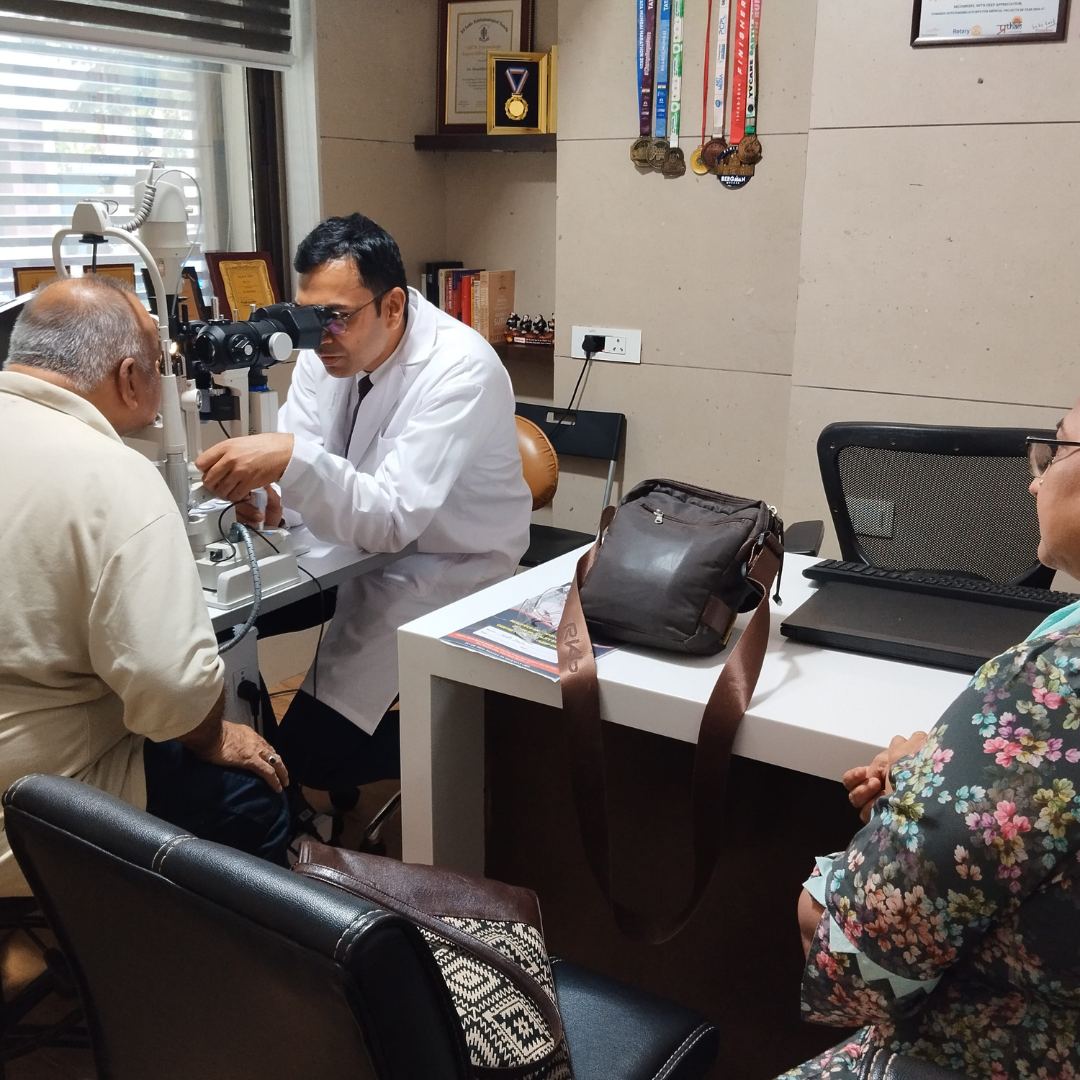
Why diabetes and eye health are connected
The retina depends on a delicate network of blood vessels. Over time, high blood sugar can weaken those vessels, cause leakage or encourage abnormal vessel growth. The process may begin without pain and without a dramatic change in everyday vision. A diabetic eye checkup is designed to look for these changes early, when the next step can be planned before the person is facing an avoidable crisis.
An examination cannot tell you whether your blood sugar is controlled overall, and it does not replace your physician or diabetes educator. It can show how diabetes is affecting the eyes and whether the review interval should change. Bring your medical information and ask the ophthalmologist to explain the retinal findings in relation to your current diabetes care.
Who should arrange diabetic retinal screening
Anyone living with diabetes should ask their physician and eye specialist when a retinal review is due. The timing can be influenced by whether the person has type 1 or type 2 diabetes, how long they have had the condition, glucose and blood-pressure control, pregnancy, previous retinal findings and treatment history. A general annual rule may not be enough for every patient.
People often book after a spectacle change, but screening should not depend on blur. If you have missed earlier reviews, do not feel embarrassed; book the next available appropriate appointment and bring any old reports. The team can establish a baseline and explain how frequently to return. If the vision has changed suddenly, tell the clinic when you call rather than requesting only a routine slot.
What happens during a diabetic eye checkup
The visit starts with a history of diabetes, medicines, blood-pressure issues, pregnancy if relevant, previous laser or injections and current symptoms. Vision is measured and the eyes are examined. Dilation may be recommended to see the retina more fully. The doctor may suggest retinal photographs, OCT or another focused test when it will add useful information to the diagnosis or follow-up.
Testing is not a substitute for a clinical explanation. Ask which part of the retina or macula is involved, whether both eyes are affected, how the finding compares with previous reports and what should happen next. If your pupils are dilated, near vision may be blurry for a few hours. Bring sunglasses and arrange transport if you do not feel safe travelling alone.
Diabetic retinopathy in simple language
Early diabetic retinal change may involve small vessel abnormalities that a patient cannot see. More advanced disease can cause swelling in the macula or bleeding from abnormal vessels, which may affect reading and central vision. The exact stage matters because monitoring and treatment decisions are different. Do not try to diagnose the stage from a symptom or a screenshot of an eye scan.
The doctor may recommend observation, closer monitoring, laser, injections or another treatment pathway depending on the findings. Treatment is not a punishment for imperfect diabetes control, and screening is not meant to create blame. It is a way to make the eye changes visible and coordinate the right care. Continue your diabetes and blood-pressure medicines as directed by your medical team.
Macular swelling and changes in daily vision
The macula helps you read, recognise faces and see detail. Fluid or swelling in this area can make words look blurred or straight lines appear bent. Some people notice that one eye compensates for the other and only discover the difference when they cover an eye. If you notice distortion, describe it clearly and do not wait for the next routine check if it is new.
A retina specialist may use OCT or other imaging to understand the macula and compare it with earlier results. Ask how the finding is expected to affect reading, driving and work. If an injection is recommended, learn the purpose, possible number of visits, follow-up schedule and warning signs. A treatment plan should be specific to the retinal finding, not copied from another patient’s experience.
Blood pressure, cholesterol and the bigger health picture
Diabetic retinal care works best when blood sugar, blood pressure and cholesterol are managed with the physicians responsible for those conditions. Bring recent reports if you have them. The eye doctor can explain ocular findings, while your physician can adjust systemic treatment. No eye drop, supplement or home remedy can replace that coordinated approach.
Tell the team about kidney disease, pregnancy, blood thinners, recent hospital admissions and any medicine changes. These details may not seem connected to a routine eye appointment, but they help the doctor interpret findings and plan safely. If you are caring for an older parent, carry a written list because medication names are easy to confuse during a busy visit.
Warning symptoms between planned visits
Call promptly if you notice a sudden drop in vision, a dark patch, new distortion, a shower of floaters, flashes, a curtain-like shadow or new difficulty seeing with one eye. Retinal problems can change without pain. Note the exact time you were last seeing normally and which eye is affected. If the team directs you to urgent care, do not postpone it for a routine appointment.
Painful redness, chemical injury or trauma also deserves urgent medical assessment. Avoid contact lenses and do not self-start steroid drops. If you have had an injection or laser, follow the specific aftercare instructions and ask what symptoms are expected. Keep the clinic’s number, 93729 47075, available so you do not lose time searching when vision changes.
Making screening easier for busy families
A screening plan fails if every visit becomes difficult to organise. Ask for the next review date before leaving, use a calendar reminder and keep scans in one folder. If dilation affects your workday, schedule the appointment when you can travel comfortably. A family member can help an older patient remember the drop list and the doctor’s explanation.
Malad West residents can call Sentra Clinic at 93729 47075 to confirm timing and directions to Shah Arcade 2, 002, First Floor, B Wing, Rani Sati Road, Malad East, Mumbai 400097. WhatsApp coordination is available at +91 93729 47075. Share only the appointment information requested by the clinic and keep sensitive health documents for the appropriate channel.
What to bring and what to ask
Bring old retina photographs or OCT reports, the latest diabetes and blood-pressure information, medicine doses, glasses and details of prior injections or laser. Write down whether the change is in one or both eyes, whether reading is affected and when it began. These simple details make a review more useful than arriving with only the phrase “my vision is weak.”
Ask five practical questions: What did you find? Is the macula or peripheral retina involved? How urgent is the next step? What symptoms mean I should call earlier? When is the next review? If treatment is discussed, ask about alternatives, likely visits, recovery and the total estimate. Understanding the plan is part of protecting vision.
Building a diabetic eye follow-up routine
The best time to plan diabetic eye care is before the appointment becomes urgent. Add the next retinal review to the same calendar system you use for blood tests or physician visits. Keep the clinic report with your diabetes records and note any change in medicines or blood-pressure treatment. If a review is missed, call rather than silently restarting the schedule. A delayed visit does not mean the patient has failed; it means the next practical step is to reconnect with care.
Glucose control can vary for many reasons, including illness, work shifts, access to food and changes in treatment. Tell the eye doctor what has been happening rather than trying to present a perfect history. Pregnancy, kidney disease, high blood pressure and blood-thinning medicines may affect how the overall picture is understood. The eye team and medical team each have a role. Do not stop or change systemic medicines because a retinal report is worrying without speaking to the appropriate physician.
A family member can help an older patient by maintaining one written list of medicines, doses and allergies. Bring previous OCT scans, retinal photographs and any note about injections or laser. During the consultation, ask whether the current finding is in the macula, peripheral retina or both; whether it is active or stable; and what change should trigger an earlier call. These questions turn a frightening technical report into a plan the household can follow.
Treatment, when recommended, is only one part of protecting useful vision. Keep follow-up visits, use post-treatment medicines exactly as directed and report warning signs. Continue physician-led management of blood sugar, blood pressure and cholesterol, avoid smoking and ask for advice that fits your health rather than relying on internet supplements. Diabetic eye care is a long-term partnership. The purpose of each review is to notice change early and preserve the activities that matter to you.
If you have been told that the retina is normal, keep the report and ask when screening is next due; normal today does not mean screening is unnecessary forever. If a change is present, ask whether it is mild, moderate or sight-threatening in your own eye and what evidence supports that description. Bring a trusted relative when treatment decisions are difficult. Write down the plan before leaving, including the next appointment and the phone number to use if vision changes. A calm, repeatable routine is one of the strongest protections against missed diabetic-eye care.
Do not wait for a diabetes appointment to mention an eye symptom. A new blurred patch, waviness, flashes, floaters or a curtain deserves an eye call even if your last sugar report looked acceptable. Keep the date of your last retinal examination in your health records and tell the team if you have been pregnant, admitted to hospital or started a blood thinner. These details help the doctor place the retinal finding in the right medical context.
If an injection or laser is recommended, ask how the treatment day fits with your diabetes medicines, transport and work. Confirm whether someone should accompany you, which drops are used afterward and how soon the next review occurs. Ask what level of redness, discomfort or blur is expected and which change needs urgent contact. Do not stop attending because vision feels better; the retinal disease can need monitoring after an improvement. Keep your blood-sugar and blood-pressure care appointments as well, because protecting the eye requires attention to the whole vascular picture.
Even a busy person can make screening easier by keeping one small eye-care folder or digital record. Save the date of each retinal review, the name of the doctor, copies of images and the next planned appointment. Tell a family member where the information is stored. If you change doctors, carry the record instead of relying on memory. This continuity helps the new examination build on the previous one and makes it easier to notice whether a finding is stable, improving or becoming active.
Real Sentra Clinic Images and Specialist-Led Care



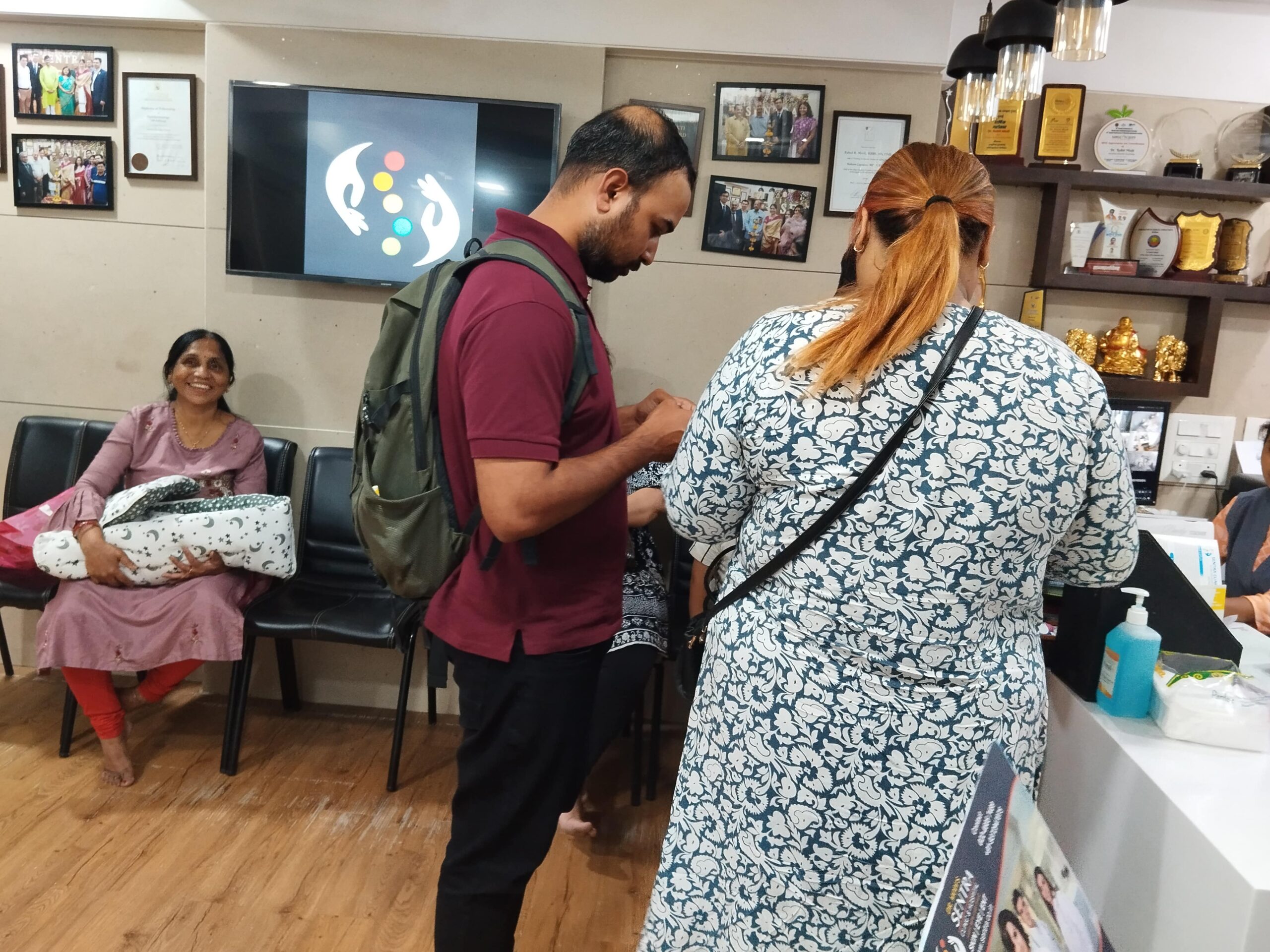
These images show the Sentra Clinic team and care environment used throughout the clinic’s patient communication. Clinical photographs are helpful for familiarity, but they do not replace an examination or promise a particular result. Bring your questions to the consultation and ask which part of the plan applies to your eyes.
Make Your First Appointment More Useful
- Carry current glasses, old prescriptions, previous scans, discharge papers and a complete medicine list.
- Write down when the problem started, whether one or both eyes are affected and whether it is getting worse.
- Tell the doctor about diabetes, blood pressure, pregnancy, contact lenses, allergies, previous surgery and eye injuries.
- Ask what was found, what needs attention now, what can be monitored and when you should return.
- Do not drive after dilation if your vision is blurred; arrange a companion when that is safer for you.
Frequently Asked Questions
Where can I get a diabetic eye checkup in Malad West?
Sentra Clinic serves Malad West patients from Rani Sati Road, Malad East. Call 93729 47075 to confirm the appointment and directions.
Can diabetic retinopathy occur when vision feels normal?
Yes. Early retinal changes may be quiet, which is why screening should be scheduled even without noticeable blur.
How often should someone with diabetes have a retina check?
The interval depends on diabetes history, control, pregnancy, previous findings and treatment. The ophthalmologist should give you a personalised review plan.
Will the diabetic eye checkup require dilation?
Dilation may be advised to examine the retina properly. It can temporarily blur near vision and cause light sensitivity, so plan transport if needed.
Does every diabetic patient need an injection?
No. Some patients need routine monitoring, while others may require laser, injections or another treatment based on the retinal findings.
What reports should I bring?
Bring previous eye scans or photographs, diabetes and blood-pressure reports, medicine details and information about earlier laser or injections.
Ready to Speak With the Sentra Clinic Team?
Call 93729 47075 for an appointment in Malad East serving Malad West, or message the clinic on WhatsApp for basic appointment coordination.
Medical information on this page is educational and cannot diagnose an individual. Confirm current fees, clinic timings, treatment availability and medical advice directly with the Sentra Clinic team.