
Eye Checkup in Goregaon West for Clear Answers, Not Just a New Number
An eye checkup in Goregaon West is not only a test to update your spectacles. A complete examination can look at vision, refraction, eye pressure, the cornea, lens, optic nerve and retina when clinically indicated. Sentra Clinic serves Goregaon West families from its Shah Arcade 2 location on Rani Sati Road, Malad East, making a detailed eye-health review practical for routine care and follow-up.
The right examination depends on age, symptoms, diabetes, blood pressure, family history, previous surgery and contact-lens use. A person with a changing number may need a focused review, while a diabetic adult, older parent or child may need a broader assessment. Call 93729 47075 to ask about appointment timing and what reports to carry.
Why a routine eye checkup is worth doing
Vision can feel normal while an eye-health problem is developing. A routine checkup gives the doctor a chance to compare both eyes, review your health history and identify whether your issue is a spectacle number, dry eye, cataract, pressure-related risk, retinal change or something that needs a different specialist. It also establishes a baseline for later visits, which is valuable when symptoms are subtle.
An eye checkup in Goregaon West is particularly useful if you have not had a medical eye examination for several years, your glasses no longer feel right, you notice headaches while reading, or you have diabetes, high blood pressure or a family history of glaucoma. The purpose is proportionate testing. Not every person needs every scan, and the doctor should explain the reason for each recommendation.
What a comprehensive examination may include
A full review can include visual acuity for distance and near, refraction, pupil responses, eye alignment and movements, the eyelids and ocular surface, slit-lamp examination, eye pressure and a view of the retina when indicated. Children may need age-appropriate picture or symbol testing. Contact-lens users need a history of wear, cleaning and comfort, not only a power measurement.
Dilation or additional imaging may be advised for diabetes, flashes, floaters, unexplained blur, cataract planning, glaucoma risk or another clinical question. The doctor decides the sequence based on the history and findings. If dilation is likely, bring sunglasses and arrange transport if you are not comfortable travelling with temporary blur. Ask for a copy of important reports before you leave.
Checkup for children and teenagers
Children may not realise that one eye is seeing less clearly because they have adapted to the way the world looks. Sitting close to a screen, tilting the head, closing one eye in sunlight, losing place while reading, avoiding homework or complaining of headaches can all justify an assessment. A school screening is helpful, but it does not always replace a medical examination.
Parents should bring old glasses, teacher observations, birth or medical history when relevant and a realistic description of screen time and outdoor activity. Explain the visit as looking at pictures and lights instead of saying it will hurt. Follow-up matters because myopia, focusing ability and eye alignment can change as a child grows. A comfortable child is easier to examine accurately.
Adults, screen use and changing prescriptions
Long screen hours can contribute to dryness, burning, fluctuating focus and headaches, but those symptoms should not automatically be blamed on a phone or laptop. An examination can distinguish an uncorrected prescription from ocular-surface irritation, binocular-vision difficulty or another condition. Blinking more often, keeping the screen at a comfortable distance and taking breaks can support comfort while you arrange review.
Adults in their forties and beyond may notice slower near focus, glare or difficulty changing from phone to distance. These changes can be normal, but cataract, corneal disease, glaucoma or retinal problems can produce similar complaints. Tell the doctor what you need to see for work, reading, driving and hobbies. The best prescription is the one that fits the examination and your daily use.
Diabetes, blood pressure and family history
Diabetes and high blood pressure can affect the retina and optic nerve without early warning symptoms. Tell the clinic about the duration and control of these conditions, your medicines and the date of your last retinal review. The eye checkup does not replace your physician’s care, but it can identify changes that need coordination. A normal-feeling eye is not a reason to skip screening.
Family history of glaucoma, macular disease, high myopia or retinal problems can change the advice you receive. Bring reports from parents or siblings when available, and mention previous eye injuries or surgery. Screening intervals are personal; they may be shorter than a standard yearly visit when risk is higher. Ask what finding would make the doctor bring your next review forward.
How to prepare for your appointment
Carry current glasses, old prescriptions, contact-lens details, medicines and previous scans or discharge notes. Make a short timeline of the symptom: what started first, one eye or both, constant or intermittent, and whether blinking changes it. Include headaches, redness, pain, flashes, floaters, double vision, light sensitivity or a change in colour. This history saves time and improves the discussion.
If an older family member is coming, bring a caregiver who knows the medication list and can help remember instructions. If a child is coming, choose a time when they are rested and bring school notes. Ask whether dilation or additional tests may happen; if so, avoid planning an important driving task immediately afterwards. Write down your questions before entering the room.
Understanding the result and next step
A useful checkup ends with an explanation, not only a printed number. You should understand whether the main finding is refractive, surface-related, lens-related, pressure-related, retinal or still under evaluation. Ask what is normal, what needs treatment, what can be watched and what warning signs should bring you back sooner. If drops are prescribed, confirm the name, dose, duration and eye.
If surgery is discussed, ask what problem it is intended to improve, what alternatives exist and what may remain because of another eye condition. Cataract, LASIK and retinal procedures require different decisions. A second opinion is reasonable when the choice is elective or complex. Keep the report and bring it to the next visit so progress is judged against a clear baseline.
When an eye checkup becomes urgent
Do not wait for a routine checkup if you develop sudden vision loss, a new curtain or shadow, a sudden cluster of flashes and floaters, severe eye pain, a serious injury or chemical exposure. Contact-lens pain with redness or light sensitivity also needs prompt medical advice. Describe the time of onset and which eye is affected; those details help the receiving team judge urgency.
Avoid using leftover antibiotics, someone else’s drops or steroid drops without a prescription for the current episode. Rinse a chemical exposure with clean running water while seeking urgent help, following local medical guidance. Routine eye-care content can help with planning, but it cannot assess an emergency. Call 93729 47075 if you need direction before travelling.
Convenient local follow-up for Goregaon West
Sentra Clinic is at Shah Arcade 2, 002, First Floor, B Wing, Rani Sati Road, Malad East, Mumbai 400097. The route is practical for people crossing from Goregaon West, Orlem, Marve, Malvani and the areas around Malad station. Call 93729 47075 to confirm the appointment, directions and whether a particular test is available on the day.
A checkup is most valuable when you return for the review that was recommended. Keep reports together, set a reminder and tell the team if travel, work or caregiving makes a date difficult. WhatsApp appointment coordination is available at +91 93729 47075. Fees and test requirements vary by case, so ask for the current details rather than relying on an old online quote.
How to read an eye checkup plan
An eye report can contain several numbers, but the important part is the explanation of what they mean together. A refraction describes how the eye focuses; it does not by itself prove that the eye is healthy. Eye pressure is one glaucoma risk measure, not a complete glaucoma diagnosis. A retinal photograph documents appearance at a point in time, while an OCT shows a different kind of detail. Ask which result is relevant to your complaint and which result needs comparison later.
If a new spectacle prescription is written, ask when to use it and whether the lenses should be worn full-time or for specific tasks. If a lubricant or other drop is prescribed, confirm whether it goes in one eye or both and whether contact lenses must be removed. If the plan is observation, write down the return date and the symptoms that should bring you back sooner. Clear instructions reduce the chance of treating a report as a diagnosis without context.
A checkup is also a good time to disclose small concerns that may seem unrelated: trouble seeing steps at night, a parent falling in dim light, a child skipping lines while reading or glare from headlights. These details show how the eyes function in real life. They can influence whether the doctor recommends a broader assessment, a cataract conversation, retinal screening or a review of binocular vision. Your goal is not to pass an eye test; it is to keep daily vision safe and useful.
When results are normal, ask when the next review is appropriate for your age and medical history. When something is found, ask what the finding is called, whether both eyes are involved and whether it is stable. Keep the report in a folder, take a clear photograph for your own records and bring the original to future visits. A series of comparable examinations is often more informative than one isolated result, especially for pressure, retina and prescription changes.
If the checkup includes dilation or a scan, ask whether the result is available on the same day and how you will receive it. Do not leave with a technical abbreviation that you cannot explain back. A useful summary has four parts: the main finding, the action today, the date of the next review and the symptoms that need an earlier call. Parents can ask for the child’s vision in each eye and whether the eyes work together. Older adults can ask how a finding might affect stairs, reading, cooking and travel. These practical questions turn a routine appointment into useful preventive care.
If your complaint is not fully explained at the first visit, that does not mean the examination failed. Some symptoms need a repeat measurement, a trial of surface treatment or a review of how the eyes behave over time. Ask what uncertainty remains and what information will resolve it. Avoid changing several drops or buying multiple supplements at once, because that makes it harder to tell what helped. Follow the written plan and call if the warning symptoms change.
A complete checkup is also a good time to update the clinic about your work and home environment. Mention air-conditioning, dust, long driving, late-night reading, frequent travel and whether you care for a young child or older parent. These details help translate a clinical finding into advice you can use. If the doctor recommends only monitoring, ask what “stable” means and whether you need a repeat photograph or pressure measurement. Preventive eye care is successful when the patient knows both the result and the next date.
Ask for the report in a format you can find later, especially if another doctor may need to compare it. A small record today can make a future appointment faster and more accurate.
Real Sentra Clinic Images and Specialist-Led Care
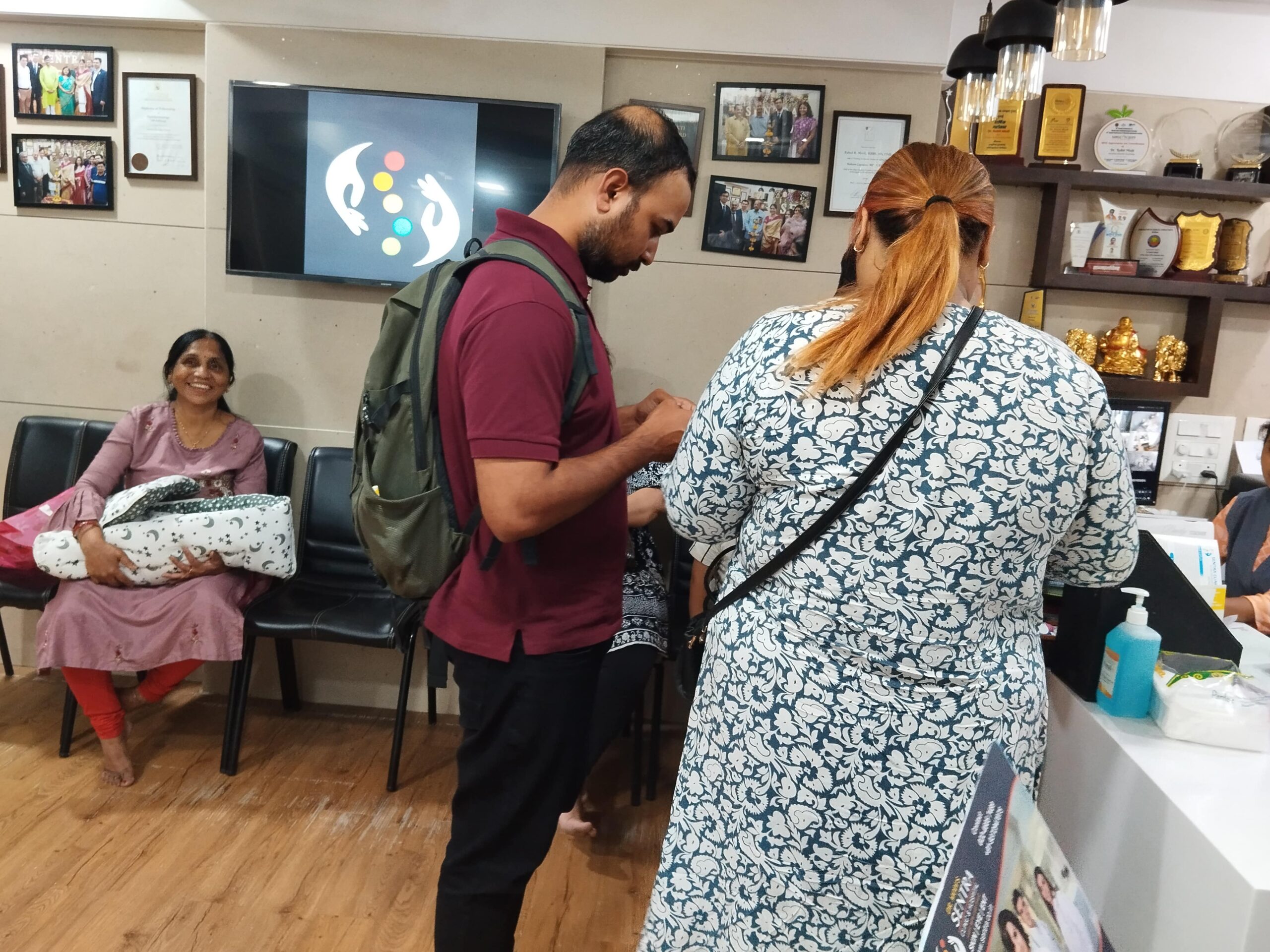

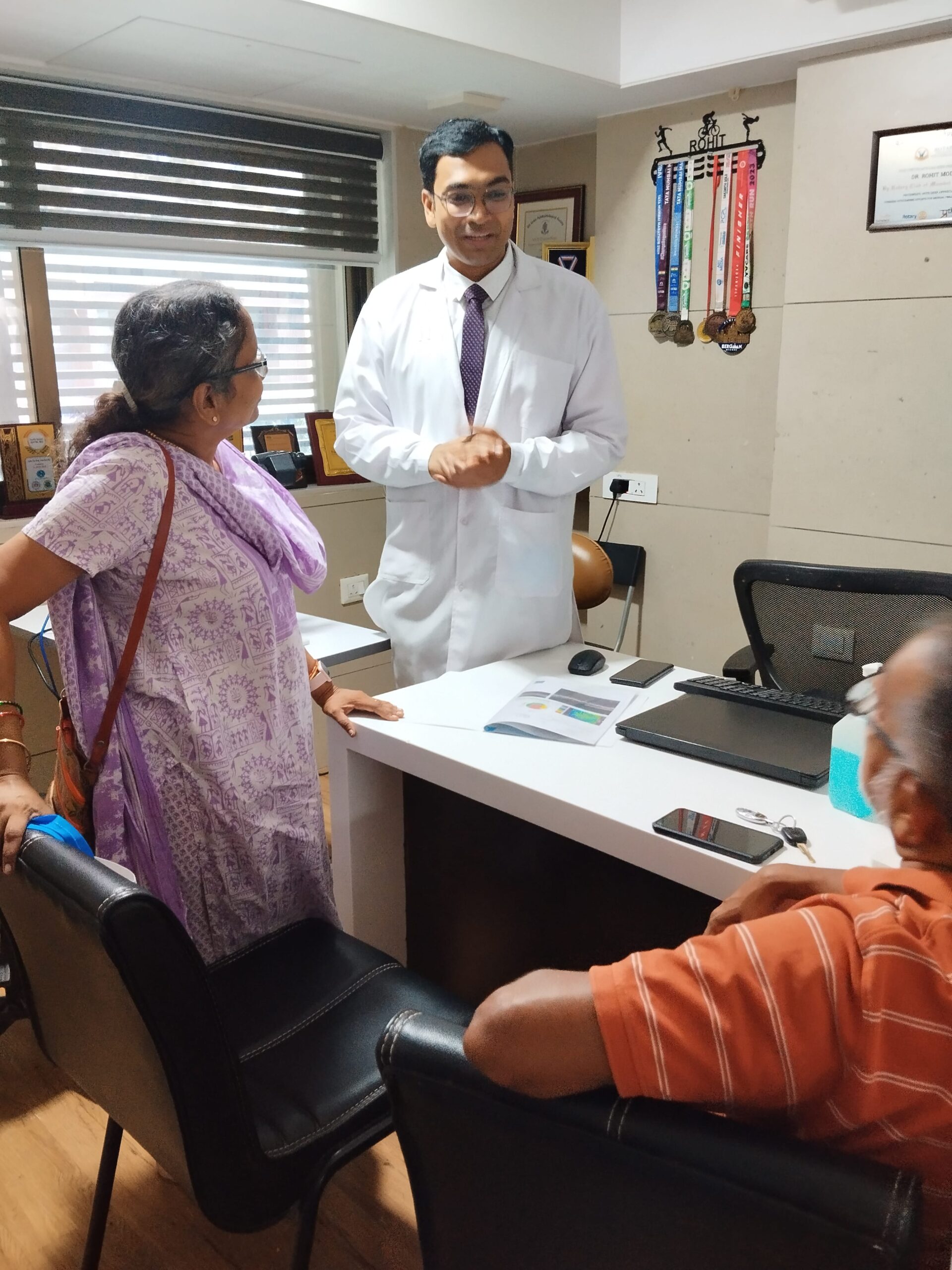
These images show the Sentra Clinic team and care environment used throughout the clinic’s patient communication. Clinical photographs are helpful for familiarity, but they do not replace an examination or promise a particular result. Bring your questions to the consultation and ask which part of the plan applies to your eyes.
Make Your First Appointment More Useful
- Carry current glasses, old prescriptions, previous scans, discharge papers and a complete medicine list.
- Write down when the problem started, whether one or both eyes are affected and whether it is getting worse.
- Tell the doctor about diabetes, blood pressure, pregnancy, contact lenses, allergies, previous surgery and eye injuries.
- Ask what was found, what needs attention now, what can be monitored and when you should return.
- Do not drive after dilation if your vision is blurred; arrange a companion when that is safer for you.
Frequently Asked Questions
Where can I book an eye checkup in Goregaon West?
Sentra Clinic serves Goregaon West from Shah Arcade 2, Rani Sati Road, Malad East. Call 93729 47075 to confirm the appointment and route.
What is included in a complete eye checkup?
Depending on age and symptoms, it may include vision, refraction, eye alignment, slit-lamp examination, eye pressure and retinal evaluation, with dilation or imaging when indicated.
How long does a full eye checkup take?
A comprehensive review commonly takes 60–90 minutes when dilation or additional tests are needed. Focused follow-ups may be shorter.
Should I get my eyes checked if I can see clearly?
Yes. Some retinal, glaucoma and diabetic-eye changes can be quiet early. The recommended interval depends on your age and risk factors.
Can children have an eye checkup at Sentra Clinic?
Yes. Children can be assessed for blur, myopia, squint, lazy eye and focusing concerns using age-appropriate methods.
What should I bring to an eye examination?
Bring glasses, previous reports, eye drops and a medicine list. Note when symptoms started and whether one or both eyes are affected.
A complete eye checkup near Goregaon West
A clear vision chart result is useful, but it is not the same as a complete eye checkup. A Goregaon West student, office worker, contact-lens user, person with diabetes and senior citizen may each need a different examination. The doctor may consider visual acuity, refraction, eye alignment, the cornea and lens, pressure, tear-film symptoms and the retina according to age, history and the reason for the visit.
Preventive review is valuable because some eye conditions progress quietly. A person can read the chart and still need retinal screening for diabetes, glaucoma risk assessment or a cataract review. Conversely, headaches or fluctuating focus may be related to prescription, dry eye or near-work habits without indicating a serious disease. The purpose of a full checkup is to replace assumptions with an examination and a sensible follow-up interval.
When booking from Goregaon West, tell the clinic whether the visit is for a routine baseline, a child’s school concern, new glasses, diabetes, cataract symptoms or a report review. Carry current spectacles, older prescriptions, scans and medicines. If dilation may be needed, take sunglasses and arrange help with travel. Call 93729 47075 for appointment guidance at Sentra Clinic, Malad East.
Ready to Speak With the Sentra Clinic Team?
Call 93729 47075 for an appointment in Malad East serving Goregaon West, or message the clinic on WhatsApp for basic appointment coordination.
Medical information on this page is educational and cannot diagnose an individual. Confirm current fees, clinic timings, treatment availability and medical advice directly with the Sentra Clinic team.