
Eye Doctor in Malad West for Clear Answers, Not Just a Prescription
When you search for an eye doctor in Malad West, you may be trying to solve very different problems: a new spectacle number, persistent headache, burning eyes, cataract symptoms, diabetes-related changes or a child who sits too close to the television. The right consultation starts by finding the cause, not by guessing the strongest glasses.
Sentra Clinic, on Rani Sati Road in nearby Malad East, gives Malad West patients access to ophthalmologists who examine the eye, explain the findings and guide the next step. You can ask questions in English, Hindi or Marathi and bring a family member into the conversation.

What Makes an Eye Doctor Visit Useful?
Vision is not only about reading letters on a chart. The eye doctor also looks at how the two eyes work together, whether the surface is healthy, whether the lens is clear, whether pressure is safe and whether the retina and optic nerve are showing early disease. Headache can come from an uncorrected prescription, but it can also be related to dry eye, focusing effort or another issue. Blurred vision can be cataract, diabetes, corneal disease or a problem that needs urgent attention.
A good consultation gives you an explanation that fits your symptoms. It also tells you what needs action now, what can be observed and which warning signs should bring you back sooner. This is why a comprehensive ophthalmic examination is more valuable than changing spectacles repeatedly without checking eye health.
New Glasses or Contact Lenses
Refraction is combined with an eye-health check so a changing number is not mistaken for the complete diagnosis.
Burning and Redness
Dry eye, allergy, infection and lid problems can look similar. The doctor separates them before recommending drops.
Night Glare or Haze
Glare may be caused by a prescription, dry eye, cataract or corneal irregularity. A slit-lamp exam clarifies the likely source.
Choose the Right Appointment for Your Concern
Tell the receptionist the main reason for your visit. This helps the team allow enough time and prepare the appropriate testing. If more than one family member is coming, mention that while booking.
| Your concern | Details to mention | What may be assessed |
|---|---|---|
| Blurred distance or near vision | When it began, one or both eyes, old prescription | Visual acuity, refraction, lens, cornea and retina |
| Headache or eye strain | Screen hours, reading difficulty, time of day | Prescription, focusing, eye alignment and dry-eye signs |
| Diabetes | Years with diabetes, sugar control and prior retina visits | Dilated fundus examination, retinal imaging if required |
| Parent with hazy vision | Driving, reading, glare and daily activity limitations | Cataract grading, retina health and IOL discussion |
| Child squinting | School reports, head tilt, closing one eye, family history | Vision in each eye, alignment, focusing and lazy-eye risk |
Do not stop prescribed medicines or eye drops before the appointment unless your doctor tells you to. Bring the bottle or a photograph of its label so the ophthalmologist can identify what you have been using.
Meet the Doctors Who Care for Malad West Patients
Dr. Rohit Modi
Patients seeking an eye doctor for retina concerns, diabetic eye checks, flashes, floaters or surgical opinions can discuss their symptoms with Dr. Rohit Modi. Bring blood-sugar records and old retinal scans when available.
Read about Dr. Rohit Modi →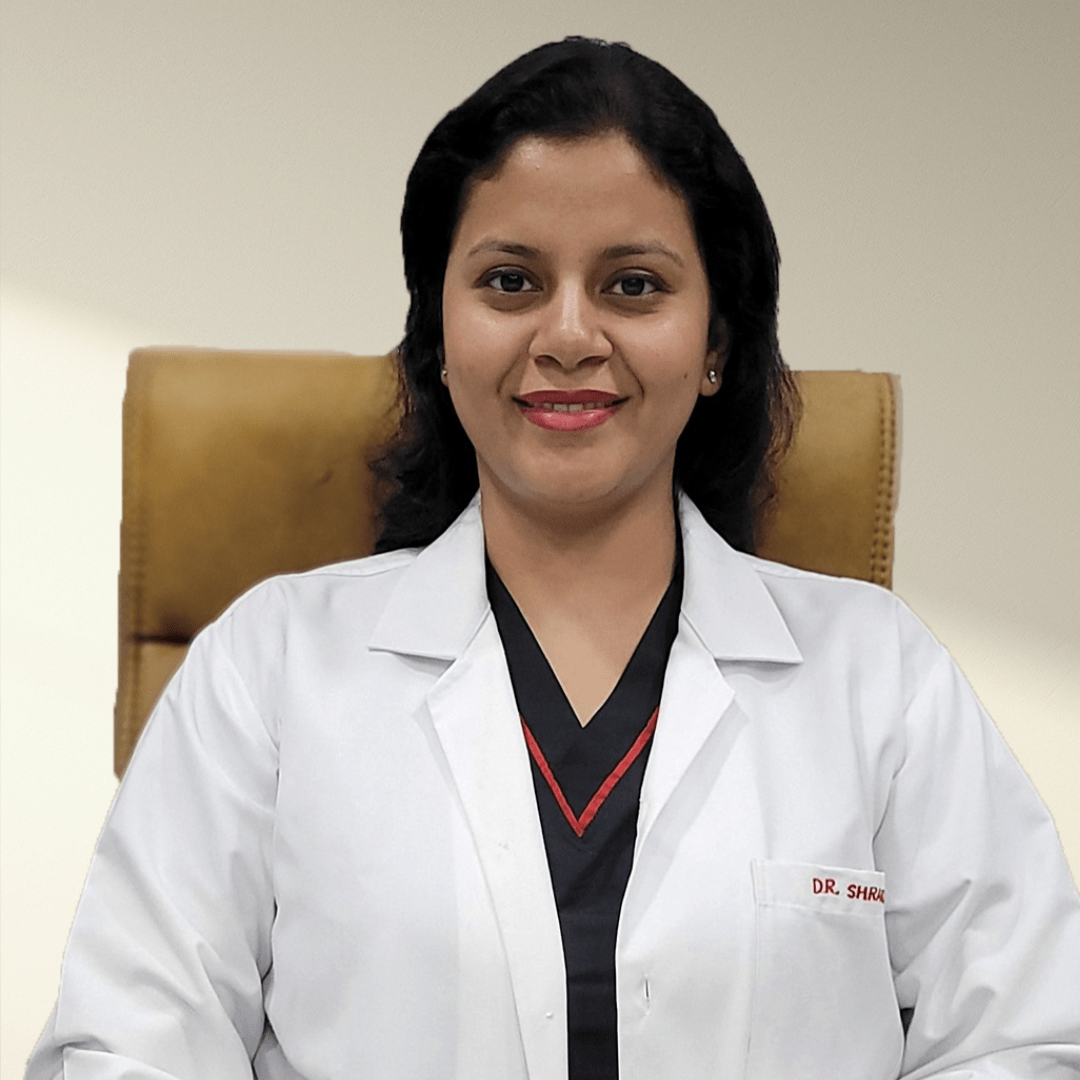
Dr. Shraddha Surekha
For corneal, refractive and vision-correction questions, Dr. Shraddha Surekha helps patients understand whether LASIK, Contoura or another plan is suitable after complete screening.
Read about Dr. Shraddha Surekha →The doctor you meet should be comfortable saying “not yet” when surgery is not indicated. A spectacle prescription, lubricating routine, monitoring visit or referral may be the safest answer. At every visit, ask what the diagnosis is, what the alternatives are and which symptoms mean you should return.
How to Prepare for an Eye Doctor Appointment
- Write down the main symptom and the date you first noticed it. Record whether it is stable, getting worse or intermittent.
- Carry all current glasses, contact-lens details, medicine strips and previous reports. A comparison with older scans can be clinically useful.
- Note your medical history, especially diabetes, hypertension, thyroid disease, migraine, autoimmune disease and previous eye injury or surgery.
- Prepare three questions: What is causing my symptom? Do I need a test or treatment now? What should make me call sooner?
- Plan transport if dilation is likely. Near vision and bright light may be temporarily uncomfortable after dilating drops.
For a child, keep the appointment calm and avoid telling them that an eye test will hurt. For an older adult, write down the doctor’s instructions and the drop schedule before leaving. These small steps reduce confusion once you return home.
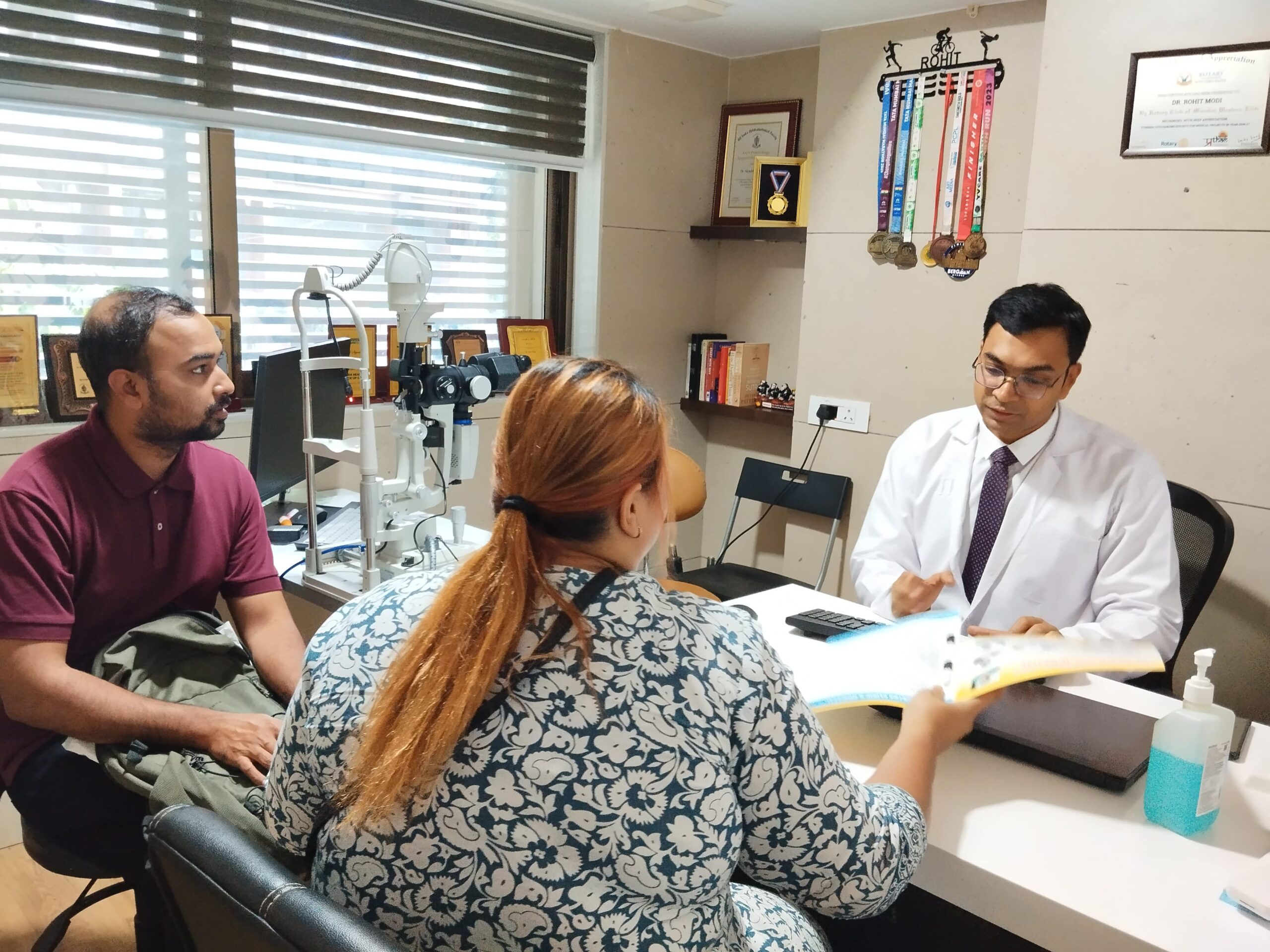
Real Images from Sentra Clinic


Symptoms You Should Not Keep Self-Treating
Many eye symptoms are mild and temporary, but persistence is a reason to stop experimenting with random drops. Redness after a dusty commute may be allergy or irritation; redness with pain, light sensitivity or reduced vision needs a medical examination. Watering can be caused by a blocked drainage pathway, allergy, a surface problem or an irritant. Blurring that clears after blinking may suggest an unstable tear film, but one-sided or progressive blur should not be dismissed as screen fatigue.
Book an appointment when you notice a change that lasts, returns frequently or affects daily activities. Mention the exact pattern rather than saying only “my eyes are weak.” For example, tell the doctor whether blur is worse in the morning, after reading, while driving at night or after wearing contact lenses. The pattern can help the ophthalmologist decide which part of the examination deserves more attention.
Common Concerns That Need a Proper Check
- Power changing repeatedly within a short period
- Headaches after reading or using a phone
- One eye seeing less clearly than the other
- Persistent itching, sticky discharge or light sensitivity
- Difficulty with night driving or new halos
- A child closing one eye, tilting the head or avoiding schoolwork
Symptoms That Need Prompt Attention
- Sudden loss or marked reduction of vision
- A curtain, veil or dark shadow across vision
- Sudden flashes with a shower of new floaters
- Severe pain, vomiting or a very red eye
- Chemical splash, penetrating injury or blunt trauma
- Sudden double vision with weakness, speech trouble or severe headache
Do not put honey, rose water, breast milk or non-prescribed medication into the eye. Avoid steroid-containing drops unless an ophthalmologist has specifically prescribed them for your condition. If there has been a chemical injury, rinse with clean running water immediately and seek urgent care; do not wait for a routine eye-doctor slot.
Eye Doctor Advice for Screen Users in Malad West
People commuting through Malad West often combine office screens, train or auto-phone use and late-night streaming. The result may be a mix of dry eye and focusing fatigue. A good consultation does not simply blame the screen; it checks whether the prescription is correct, whether the eyes are aligned comfortably at near, whether the tear film breaks up quickly and whether contact lenses are contributing.
While waiting for your appointment, use practical measures that are low-risk: keep the screen slightly below eye level, reduce glare, take regular distance breaks, blink fully and avoid air-conditioning blowing directly at your face. Lubricating drops may help some people, but the product should be chosen with advice if symptoms are persistent or if you wear lenses. Do not keep increasing the number of drops without finding the cause.
20-20-20 Habit
Every 20 minutes, look about 20 feet away for 20 seconds. Combine the break with several complete, gentle blinks.
Comfortable Setup
Keep the monitor at arm’s length, match brightness to the room and enlarge text instead of leaning forward.
Protect the Surface
Do not direct a fan or AC vent at your eyes. Take contact lenses out when advised and never sleep in lenses unless specifically approved.
Making the Consultation Comfortable for an Older Parent
Older adults may describe cataract or glaucoma symptoms as “normal for my age,” while quietly changing their routine. Before the visit, ask whether they have stopped reading, reduced evening walks, avoided stairs, given up driving or begun holding a phone unusually close. These practical details help the eye doctor understand the impact of the problem even when the patient says the vision is “fine.”
Bring one family member who knows the medicine schedule and can remember instructions. Ask the doctor to explain one eye at a time, write down the drop names and confirm the next review. If surgery is discussed, ask what help will be needed at home during the first few days. Planning transport, meals and assistance can be as important as choosing a date.
Do not pressure a parent into surgery because a neighbour had it, and do not delay because somebody else had a difficult recovery. Every eye has a different retina, cornea, pressure and health history. The eye doctor’s recommendation should be based on the patient in front of them.
When a Routine Eye Doctor Visit Becomes a Family Health Check
The eyes can reveal changes related to the rest of the body. A dilated retinal examination may show diabetic or vascular changes, while a detailed history can reveal that a medicine is contributing to dryness or blurred vision. This does not replace care from your physician, but it gives your family another reason to keep diabetes, blood pressure and other health conditions under control.
Tell the doctor if you have missed diabetes reviews, recently changed blood-pressure tablets, started an allergy medicine or are taking treatment for an autoimmune condition. Carry the names and doses rather than trying to remember them under pressure. If a report is recommended, ask when it should be repeated and whether the result needs to be shared with your physician.
For a family appointment, make a separate note for each person. Do not assume that one person’s drops or glasses will help another. Separate histories and separate examinations keep the advice safer. A parent may need cataract assessment, while a teenager needs a prescription check and a younger child needs alignment testing; these are different clinical questions even when they are booked together.
Do not keep guessing about a changing eye symptom. Speak with an eye doctor near Malad West.
Frequently Asked Questions
How do I book an eye doctor near Malad West?
Call 93729 47075 or WhatsApp the clinic. Sentra Clinic is on Rani Sati Road in Malad East and serves patients from Malad West, including Link Road, S.V. Road, Marve and Malvani.
Should I see an optometrist or an ophthalmologist?
An optometrist can help with routine refraction and glasses. An ophthalmologist is a medical eye doctor who can diagnose eye disease, prescribe treatment and assess whether a procedure or surgery is needed. Persistent symptoms, diabetes, eye pain, sudden vision change or cataract concerns deserve ophthalmic evaluation.
Can an eye doctor check diabetes-related eye damage?
Yes. Tell the clinic you have diabetes. The doctor may recommend dilation and retinal imaging based on your history and examination. Diabetic eye disease can progress without obvious symptoms.
Can I get a same-day appointment?
Availability depends on the day. Call or WhatsApp before travelling so the team can confirm a suitable slot. Sudden vision loss, injury or severe pain should be described clearly when booking.
Will my eyes be dilated?
Dilation is not required for every visit. It may be recommended when the doctor needs a better view of the retina or optic nerve. Ask about temporary blur and travel arrangements before the drops are given.
Is the consultation useful if I only need glasses?
Yes, particularly if the prescription has changed quickly, you have headaches, one eye sees differently, you are over 40 or you have diabetes. A health check helps distinguish a routine refractive change from an eye condition.