
Eye Hospital in Borivali for Complete Family Eye Care
Searching for an eye hospital in Borivali where consultation, diagnostic testing, surgery and follow-up are connected? Sentra Clinic is a dedicated surgical eye hospital on Rani Sati Road, Malad East, just across the railway line from Borivali. Our doctors serve families from S.V. Road, Link Road, Marve, Malvani, Orlem and the neighbourhoods around Malad station.
From a child's first eye examination to cataract surgery for a parent, the focus is careful diagnosis and a clear treatment plan—not a hurried prescription. Start with a consultation, understand your options, and proceed only when the treatment is right for your eyes.
Why a Dedicated Eye Hospital Matters
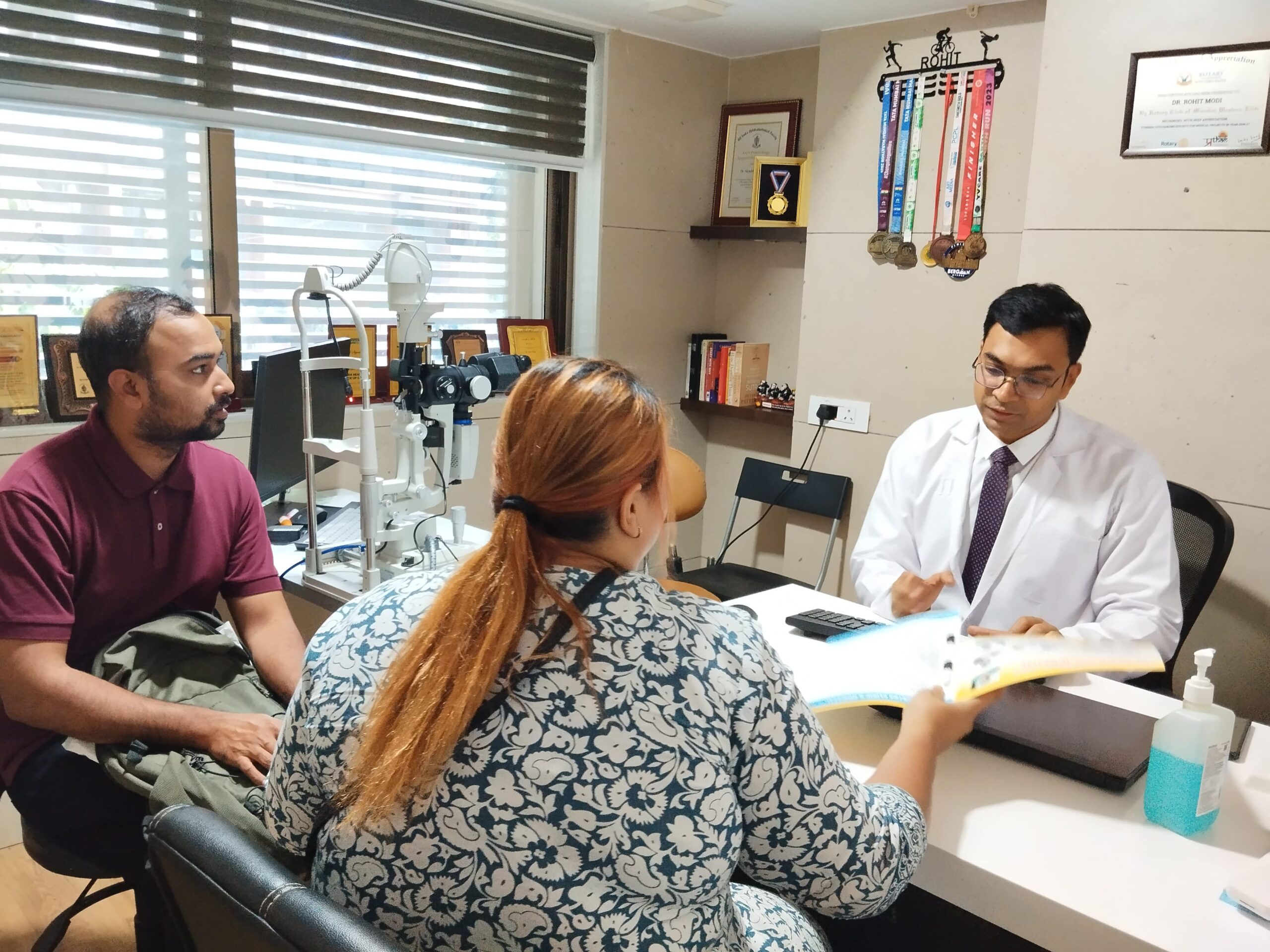
“Eye hospital” should mean more than a room where spectacles are prescribed. A complete ophthalmology facility brings together the people, equipment and follow-up needed to make a safe decision. A patient with blurred vision may need refraction, corneal examination, eye-pressure measurement, a dilated retina evaluation or an OCT scan before the cause becomes clear. If a surgery is required, the same clinical team should be able to explain the procedure, lens or implant choices, recovery and warning signs.
This joined-up approach is especially valuable for Borivali families. A senior citizen may have cataract alongside diabetes or glaucoma. A working adult may assume screen strain is the reason for blurred vision when the actual issue is an uncorrected prescription. A child may need more than a stronger pair of glasses. At Sentra Clinic, the consultation begins with the person’s history and daily needs, then moves to the tests that answer the clinical question.
Doctor-Led Assessment
Your symptoms, previous reports and treatment choices are discussed by an ophthalmologist. Tests support the examination; they do not replace it.
Modern Diagnostics
Depending on your complaint, the team may recommend refraction, slit-lamp examination, tonometry, fundus imaging, OCT, corneal mapping or other focused investigations.
Follow-Up That Connects
Post-treatment reviews are planned around healing, vision and medication—not simply a one-time procedure with no guidance.
Eye Services Available for Borivali Patients
Different life stages bring different eye-care questions. A useful hospital page should help you identify the right starting point instead of asking you to self-diagnose. Sentra Clinic offers consultation and treatment pathways across the following areas:
| Need | What the team evaluates | Helpful starting point |
|---|---|---|
| Routine or blurred vision | Refraction, eye health, eye pressure and the front and back of the eye | Comprehensive eye checkup |
| Cataract symptoms | Lens opacity, vision impact, retina health and suitable IOL choices | Cataract consultation |
| Glasses removal | Prescription stability, corneal thickness, topography and lifestyle goals | LASIK / Contoura screening |
| Diabetes or flashes | Macula, optic nerve, retina, bleeding, swelling or traction | Retina evaluation |
| Red, burning or itchy eyes | Dry eye type, allergy, infection, lid health and cornea | Dry-eye assessment |
| Child eye concerns | Vision in each eye, alignment, focusing and amblyopia risk | Paediatric eye consultation |
A test is not automatically needed for every visitor. The doctor chooses investigations according to age, symptoms, medical history and examination findings. This avoids both under-testing and a confusing list of unrelated tests.
Care Designed Around Borivali Families
Borivali is not one single type of neighbourhood. Students and young professionals commute through Malad station and Link Road; families live around Orlem and the S.V. Road corridor; older adults may live with diabetes, hypertension or previous eye surgery; coastal areas such as Marve and Malvani bring their own mix of dust, wind, allergy and screen exposure. A local eye hospital must be comfortable with this variety.
Sentra Clinic communicates in English, Hindi and Marathi so that patients and caregivers can ask questions without hesitation. If an elderly parent is being evaluated, bring a medication list, old prescriptions, diabetes reports and previous eye records. If the appointment is for a child, bring school screening notes and the child’s current glasses.
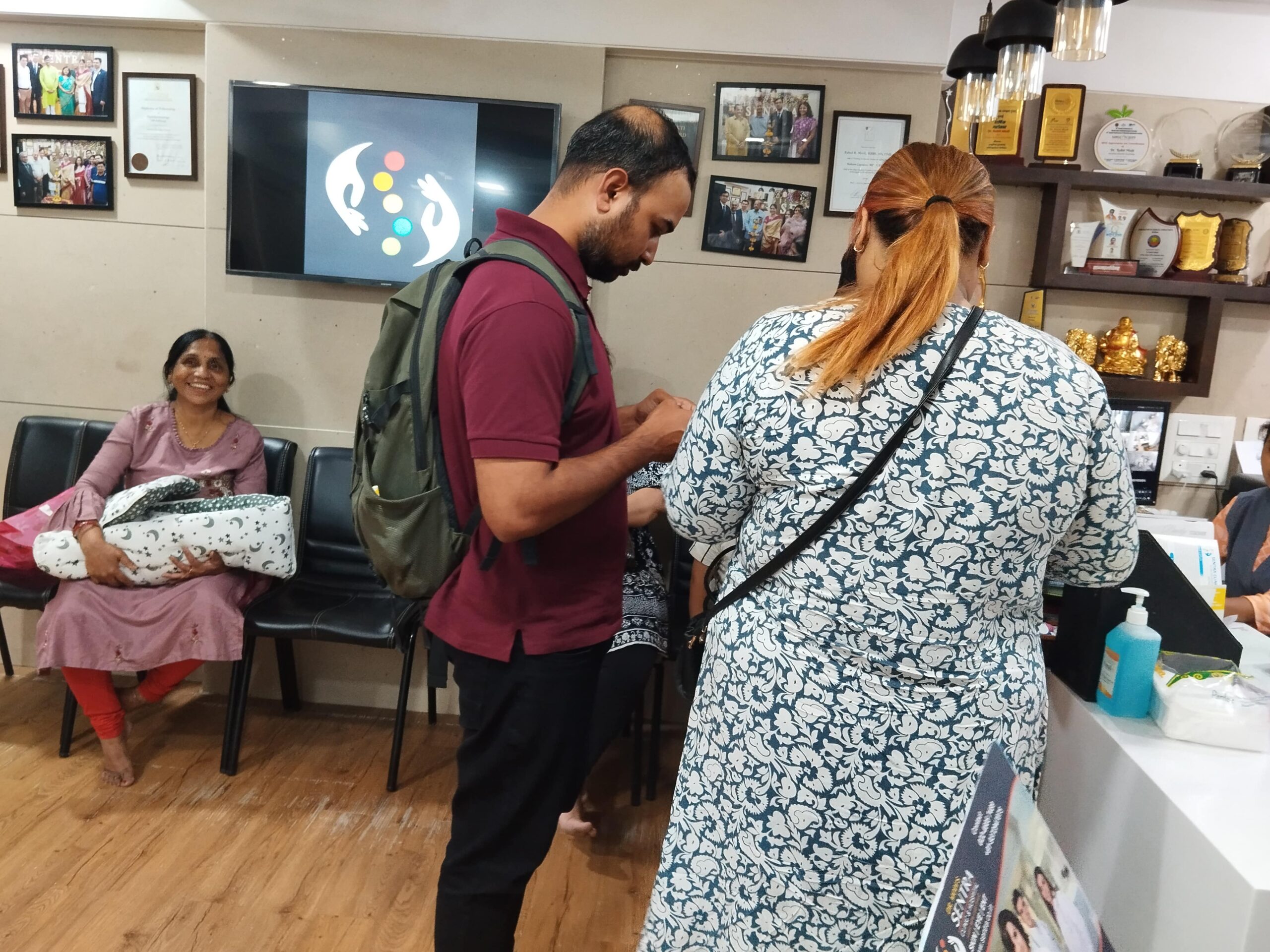
A modern clinical environment for examination, explanation and follow-up.
What Happens at Your First Visit?
- Tell us the real problem. Explain when the symptom started, whether it affects one or both eyes, and what makes it better or worse. Mention diabetes, blood pressure, thyroid disease, past injuries and previous operations.
- Start with vision and examination. The team checks visual acuity and prescription, then examines the eyelids, cornea, lens and eye structures. Eye pressure or dilation may be recommended when clinically appropriate.
- Complete only relevant tests. If the examination indicates cataract, retinal disease, glaucoma, corneal irregularity or another condition, the doctor explains why a scan or imaging test is useful.
- Discuss choices in plain language. You receive a diagnosis or working diagnosis, what can wait, what should not wait, and what the next step is. Surgical decisions include risks, benefits, alternatives and expected recovery.
- Leave with a plan. Ask about drops, activity restrictions, warning symptoms, follow-up and whom to contact if your vision changes suddenly.
Bring sunglasses if dilation is possible. You may also want someone to accompany you if bright light or temporary blur would make travel difficult. The purpose of a good first visit is not to create anxiety; it is to replace uncertainty with a practical plan.
Real Clinic Images and Specialist-Led Care


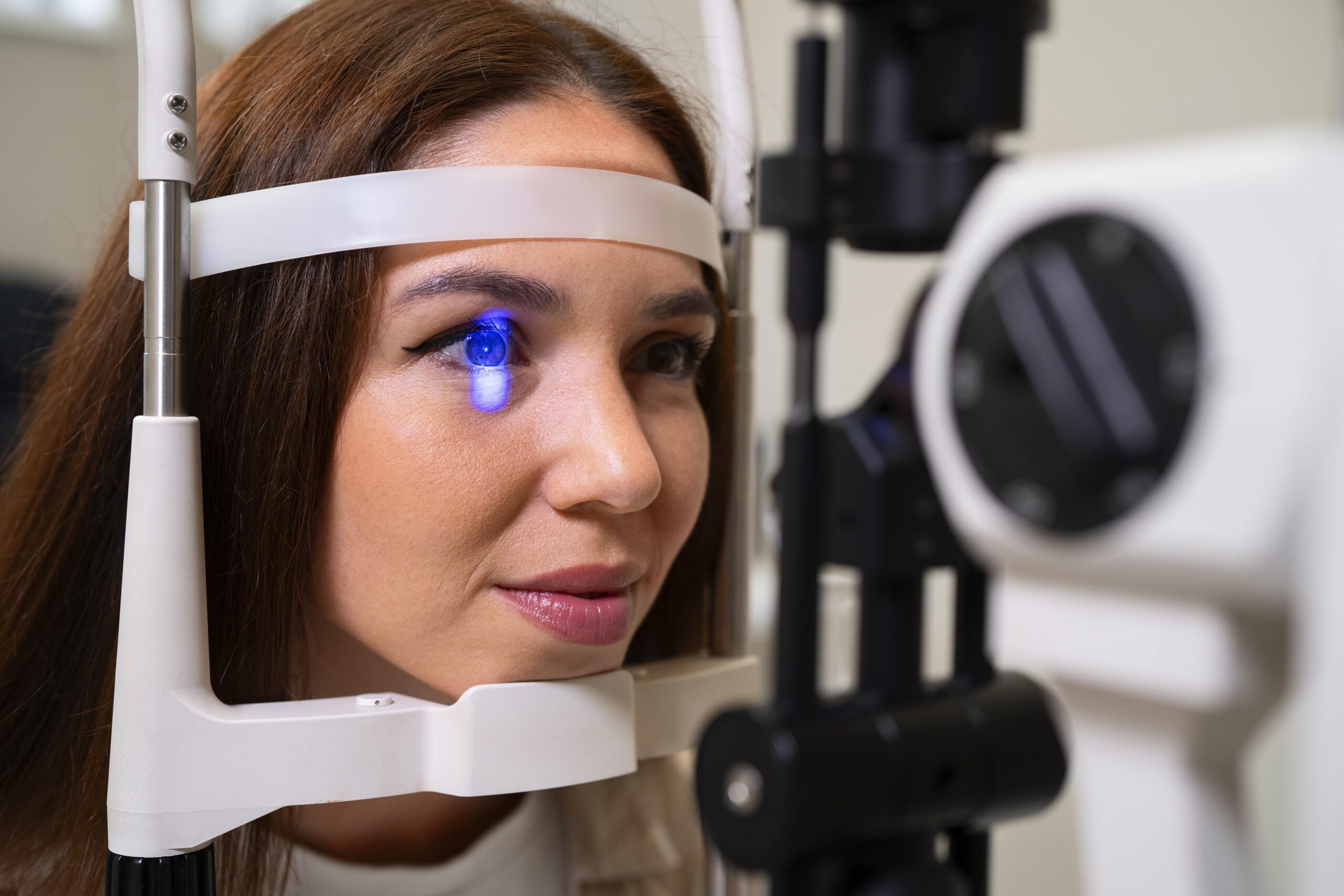
Choosing a hospital is also choosing the people who will answer your questions before and after treatment. Meet the surgeons, understand who will perform the procedure, ask where follow-up happens and check whether the recommendation matches your lifestyle. Sentra Clinic’s patient-first approach is built around that conversation.
One Hospital for Different Stages of Life
Eye care is not a one-time purchase. A person may have a spectacle check at 25, dry-eye symptoms at 32, a reading prescription after 40 and cataract planning later in life. When records stay with one dependable clinical team, each visit can build on the previous one. The doctor can compare an older prescription, notice a gradual pressure change or see whether a retinal finding is stable instead of starting from zero at every appointment.
For parents in Borivali, convenience also has a safety benefit. A child who needs an eye examination may not describe blur accurately. A senior citizen may minimise glare or avoid telling the family about a fall. A hospital that takes time to ask practical questions can identify problems that a quick “read the chart” visit may miss. Bring the entire family’s questions and ask whether appointments can be coordinated.
Children and Teenagers
School screening can identify a concern, but it does not always explain it. A complete assessment looks at each eye separately, focusing, alignment and the risk of lazy eye. Early treatment can be important because visual development changes with age.
Working Adults
Long hours on laptops and phones may produce burning, fluctuating vision and headaches. The solution may combine an accurate prescription, screen habits, tear-film care and treatment for an underlying surface condition.
Older Adults
Cataract, glaucoma and diabetic retinal changes can overlap. A senior assessment should consider falls, reading, medication use, transport, support at home and whether both eyes are functioning equally.
Family members should not assume that the same eye drops, glasses or surgery choice will suit everyone. Eyes differ, even within one family. A brother with LASIK may have a different cornea from his sister; a parent’s cataract may coexist with retinal disease. Personal examination is the only responsible way to choose treatment.
Why Follow-Up Is Part of Hospital Quality
A procedure is one moment in a longer care journey. Before surgery, the team checks that the diagnosis is correct and that the plan is suitable. Immediately afterwards, the patient needs clear drop instructions and a way to report an unexpected symptom. During follow-up, the doctor checks healing and vision, answers practical questions and decides when the next review is needed. This continuity is particularly important for patients travelling from Borivali because it avoids confusion about where to go after reaching home.
Ask these questions before you leave any hospital after treatment:
- What medicines should I use, how often and for how many days?
- When is my next review, and does the timing change if the eye feels worse?
- Which activities should I avoid temporarily—driving, dust, swimming, lifting or screen work?
- Which symptoms are expected and which symptoms need an urgent call?
- Who should a caregiver contact if the patient cannot explain a sudden change?
Good instructions are specific enough to follow at home. If you are unsure, repeat them back to the team. It is better to ask one extra question in the clinic than to worry about a drop schedule later in the evening.
Comfort, Communication and Local Access
Patients often remember how clearly a hospital explained the diagnosis as much as they remember the treatment. A calm appointment gives the patient room to say that they are scared of injections, worried about cost, unsure about drops or unable to read the instructions. Those concerns are part of care. They influence whether a plan is followed correctly at home.
For Borivali residents, Sentra Clinic’s Malad East location keeps this conversation accessible for repeat reviews. You can ask about the expected number of visits, whether a caregiver should attend, how long dilation may affect travel and what documents to carry. If you have a sudden change in vision, explain it when calling rather than waiting for a standard check-up. The team can advise whether the situation needs urgent evaluation.
A complete eye hospital should help you make a decision you understand. If a test is not necessary, it should be explained. If surgery is recommended, the reason and alternatives should be explained. If a referral is safer, that should also be explained. This is the standard Borivali families should expect when choosing eye care.
A practical eye hospital option for Borivali families
Borivali families often compare a neighbourhood clinic, an optical store and a larger hospital before choosing eye care. The right starting point depends on the patient’s concern: cataract, diabetes, a child’s vision, a changing prescription, retina symptoms or a planned procedure. Sentra Clinic gives patients travelling from Borivali a doctor-led option in nearby Malad East where the examination, explanation and follow-up can be connected.
A useful hospital visit should answer more than whether a patient can read a chart. The team should understand the history, examine the relevant parts of the eye, recommend only purposeful tests and explain what the findings mean. If surgery is discussed, families should receive information about alternatives, recovery, limitations and follow-up before making a decision.
When booking from Borivali, share the patient’s age, main symptom and any previous recommendation. Bring current glasses, old reports, scans and medicine details. The clinic is at Shah Arcade 2, Rani Sati Road, Malad East; confirm the route and appointment timing on 93729 47075 before travelling, especially for a senior patient who may need dilation.
Need an eye hospital near Borivali? Start with an appointment at Sentra Clinic, Malad East.
Frequently Asked Questions
Is Sentra Clinic an eye hospital in Borivali?
Sentra Clinic is located in Malad East on Rani Sati Road and serves Borivali residents across the railway line. It is a dedicated surgical eye hospital rather than an optical shop, with ophthalmology consultation, diagnostics, procedures and follow-up.
How do I reach the clinic from Borivali?
Most patients cross from Borivali to Malad East by the road bridge or station footbridge and continue to Rani Sati Road. Travel time depends on your starting point and traffic; call ahead for the clearest directions on the day.
Can the hospital evaluate both children and senior citizens?
Yes. Tell the team the patient’s age and concern while booking so the appointment is planned appropriately. Bring old prescriptions, reports and current medicines wherever possible.
Can I come without an appointment?
Walk-in availability can vary. Calling or WhatsApping before travel is recommended, particularly for cataract evaluation, dilation, surgery planning or an urgent symptom.
What should I bring to an eye hospital appointment?
Bring current glasses, old reports, a list of medicines, diabetes or blood-pressure records and details of previous eye surgery. Also mention any allergy to eye drops or medicines.
When should an eye problem be treated as urgent?
Sudden loss of vision, a curtain or shadow, new flashes with many floaters, severe eye pain, injury, chemical exposure or sudden double vision need prompt medical attention. Call the clinic or seek emergency care rather than waiting for a routine slot.