LASIK Surgery in Malad West — Start With Eligibility, Not a Promise
Searching for LASIK surgery in Malad West usually begins with a wish for easier mornings, clearer sport or less dependence on spectacles. LASIK can be life-changing for a suitable patient, but it is an elective procedure and a safe answer cannot be given from the spectacle number alone. Sentra Clinic provides refractive evaluation for Malad West residents at its Rani Sati Road clinic in Malad East.
Your consultation should cover the health of the cornea, tear film, retina and optic nerve as well as the stability of your prescription. It should also make space for your real priorities: night driving, computer work, contact sports, dry-eye symptoms and the amount of spectacle independence you expect. Call 93729 47075 to arrange an eligibility consultation rather than booking surgery from an advertisement.
What LASIK does—and what it cannot promise
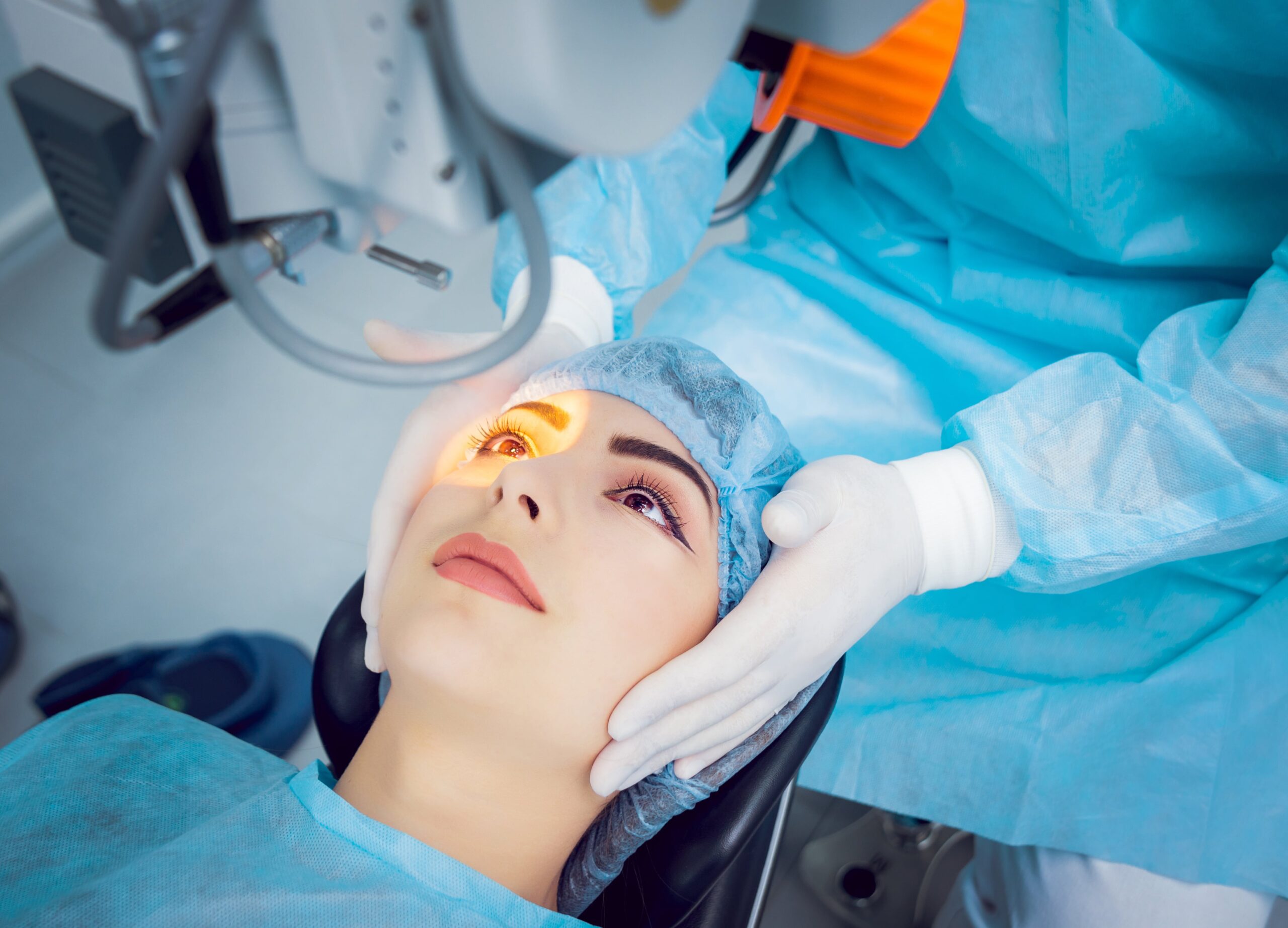
LASIK reshapes the cornea so that light focuses more accurately on the retina. It can reduce dependence on glasses for distance vision in suitable adults with stable prescriptions. It does not stop the normal need for reading support that may come with age, and it cannot remove every cause of blurred vision. A consultation should set expectations around your work, hobbies and future eye health.
The right question is not simply “What is the LASIK price?” It is “Is LASIK safe and useful for my eyes, and what result is realistic?” Corneal shape, thickness, tear film, prescription stability, pupil size, age, retinal health and medical history all influence the answer. Sentra Clinic’s process starts with examination and discussion; surgery is considered only after the information is clear.
Who may be suitable for LASIK
Many suitable candidates are adults whose spectacle number has remained stable, whose corneas are healthy and whose expectations match what laser correction can achieve. A person should be able to understand the consent process and follow the drop and review schedule. Contact-lens wear, dryness, allergies, previous eye injury, pregnancy or a changing number may change the timing of evaluation.
Suitability is never established by age or power alone. The doctor also checks whether the eye is healthy enough for an elective procedure and whether the desired correction is technically appropriate. If glasses still provide excellent vision and surgery offers little practical benefit, continuing with glasses can be the better choice. A careful “not suitable” or “not yet” is part of responsible refractive care.
The pre-LASIK evaluation in practical steps
Your assessment usually begins with a detailed history: current and previous spectacle prescriptions, contact-lens use, night-driving needs, dry-eye symptoms, allergies, medicines, previous surgery and family eye history. Vision is measured, the cornea and front of the eye are examined, and the back of the eye is reviewed when indicated. Tell the team about any fluctuation rather than trying to give a perfect answer.
Corneal mapping or topography and thickness measurements can help identify irregular shape or reduced structural reserve. Tear-film evaluation matters because dryness can make vision fluctuate and can affect comfort after surgery. The tests should be interpreted together, not treated as a pass/fail score from one machine. Ask for the result to be explained in plain language and take time before making an elective decision.
LASIK, Contoura, SMILE and other options
Patients often compare LASIK with Contoura or SMILE by looking for one procedure that is best for everyone. In reality, each option has indications, limits, recovery patterns and availability considerations. The cornea, prescription, surface health, lifestyle and surgeon’s assessment should guide the discussion. A brand name does not replace eligibility testing or change the need for informed consent.
Some people may be better served by spectacles, contact-lens optimisation, treatment for dry eye or a different refractive pathway such as an implantable lens discussion. Ask why an option is being recommended, what alternatives exist and what would happen if you decided not to proceed. Good counselling is not a sales presentation. It lets you compare expected spectacle independence with the trade-offs that matter to your eyes.
What happens on the day of LASIK
On procedure day, the team confirms your identity, eye and treatment plan, reviews instructions and prepares the eyes with anaesthetic drops. LASIK is performed while you look at a target light; the laser time is short, although preparation and recovery-room observation take longer. You should arrange a responsible adult to accompany you home and avoid planning work, driving or social commitments immediately afterwards.
Follow the prescribed drops exactly and do not rub the eyes. Mild watering, light sensitivity, foreign-body sensation or fluctuating vision can occur early in recovery, but your surgeon should explain which symptoms are expected for your case. Severe pain, a marked drop in vision, increasing redness or discharge should be reported promptly. Never borrow another person’s post-operative drops.
Recovery, work and everyday activities
Many patients notice useful distance vision early, but the quality and speed of recovery vary. Vision may fluctuate while the surface settles, especially for people who already have dryness or spend long hours on screens. Use the schedule given by the clinic, attend the planned reviews and ask when it is safe to resume driving, swimming, eye makeup, dusty work and contact sports.
Computer users should plan regular blinking and comfortable screen breaks rather than forcing long sessions through irritation. Sunglasses can make bright light more comfortable outdoors, but they do not replace protective instructions. The aim of follow-up is not just to read a chart; it is to review healing, surface health, refraction and whether the vision meets the agreed expectation.
Risks, limitations and informed consent
Every medical procedure has risks. After laser vision correction, some patients may experience dryness, glare, halos, fluctuation, under-correction, over-correction or a need for additional correction. Rare but serious complications are why corneal assessment, appropriate patient selection and follow-up matter. The safest decision is one made after you understand both likely benefits and what cannot be guaranteed.
Ask the surgeon to separate common temporary symptoms from uncommon serious problems and explain the warning signs. Tell the team if you have autoimmune disease, severe dry eye, keratoconus risk, previous herpes eye disease, poor wound healing or any medicine that may matter. Do not hide a concern because you want to qualify. Accurate history protects the quality of the recommendation.
LASIK cost and what a fair estimate includes
Online LASIK prices can be difficult to compare because one headline number may exclude mapping, medicines, surgeon fees, technology, follow-up or an enhancement policy. Ask for a written estimate specific to your eyes. It should explain what is included before surgery and after surgery, how many reviews are planned and whether any additional test or treatment could change the total.
A lower quote is not automatically a better value, and a premium label is not automatically the right choice. Compare the clinical process, who examines you, who performs the procedure, how complications are handled and how accessible follow-up is from Malad West. Sentra Clinic can explain the current consultation and procedure pathway on 93729 47075; final recommendations and estimates depend on evaluation.
Planning your consultation from Malad West
Sentra Clinic is at Shah Arcade 2, 002, First Floor, B Wing, Rani Sati Road, Malad East, Mumbai 400097. Malad West residents can confirm the easiest route and appointment timing by calling 93729 47075 or WhatsApping +91 93729 47075. Bring your current glasses, old prescriptions and contact-lens details. If you wear lenses, ask whether they need to be stopped before measurements.
Do not drive yourself if your eyes have been dilated or if the team advises that your vision may be temporarily blurred. Write down your top three questions: likely outcome, recovery and total cost. This page is general education and cannot declare you suitable for surgery. Only an in-person examination can determine whether LASIK or another option is medically appropriate.
Lifestyle questions that shape a LASIK decision
A LASIK discussion becomes more useful when it starts with the life you want to make easier. Tell the doctor whether you drive at night, work in a dusty environment, swim, play contact sport, spend ten hours on a screen or need unusually sharp contrast for your job. These details do not automatically decide eligibility, but they help you weigh the benefit of fewer spectacles against possible dryness, glare or the need for protective habits during recovery.
Contact-lens wear deserves special attention. Lenses can temporarily change the corneal surface or hide discomfort, so the clinic may ask you to stop wearing them for a period before repeat measurements. Do not restart them simply to make the appointment easier. Bring the lens type and wearing schedule. If you have struggled with dryness, redness or intolerance, say so openly; those symptoms are clinically relevant and should be addressed before an elective laser procedure.
A stable prescription is helpful, but stability is not the only requirement. The surgeon also needs to understand the corneal shape and structural reserve, the tear film, the health of the lens and retina and your ability to follow aftercare. If a screening test is borderline, a repeat measurement or monitoring period may be safer than rushing to a date. You are allowed to take time, seek a second opinion and choose glasses if the balance does not feel right.
After surgery, the first few days should be planned rather than improvised. Arrange transport, keep the prescribed drops available, reduce avoidable dust and smoke exposure and follow the instructions about rubbing, water, makeup, swimming and sport. Plan for visual fluctuation instead of promising yourself an immediate perfect result. The review appointment is important even when you feel comfortable. Report severe pain, a marked drop in vision, increasing redness or discharge promptly rather than waiting for the next scheduled visit.
A consultation is also the right time to discuss what spectacle independence means to you. Some people are happy to keep occasional reading glasses; others need excellent unaided distance vision for a particular job. Tell the surgeon what would count as a successful result and what would worry you. Ask how dry eye, night glare, age-related near focus and the possibility of residual power fit into that picture. This conversation helps prevent a technically good result from feeling disappointing because the expectation was never made specific. There is no shame in deciding that the current risk-benefit balance favours spectacles.
Plan a quiet recovery window rather than scheduling surgery immediately before travel, examinations or an important presentation. Confirm who will take you home, how the first review is arranged and where to call after hours if the clinic gives an urgent number. Keep water, dust and rubbing away from the eyes exactly as instructed. A good result depends on selection and aftercare as well as the laser itself, so a patient who asks careful questions before surgery is already contributing to a safer outcome.
Do not compare your recovery with a friend or influencer who had a different prescription, procedure or tear film. A little fluctuation may be expected for one person and important for another, which is why the clinic gives individual aftercare. Keep every review even if the first day feels excellent. If you are unsure whether a symptom is normal, call and ask instead of searching for a generic answer. Elective surgery should fit your schedule and your comfort with uncertainty; there is no advantage in rushing because an advertisement says a limited offer expires.
Real Sentra Clinic Images and Specialist-Led Care

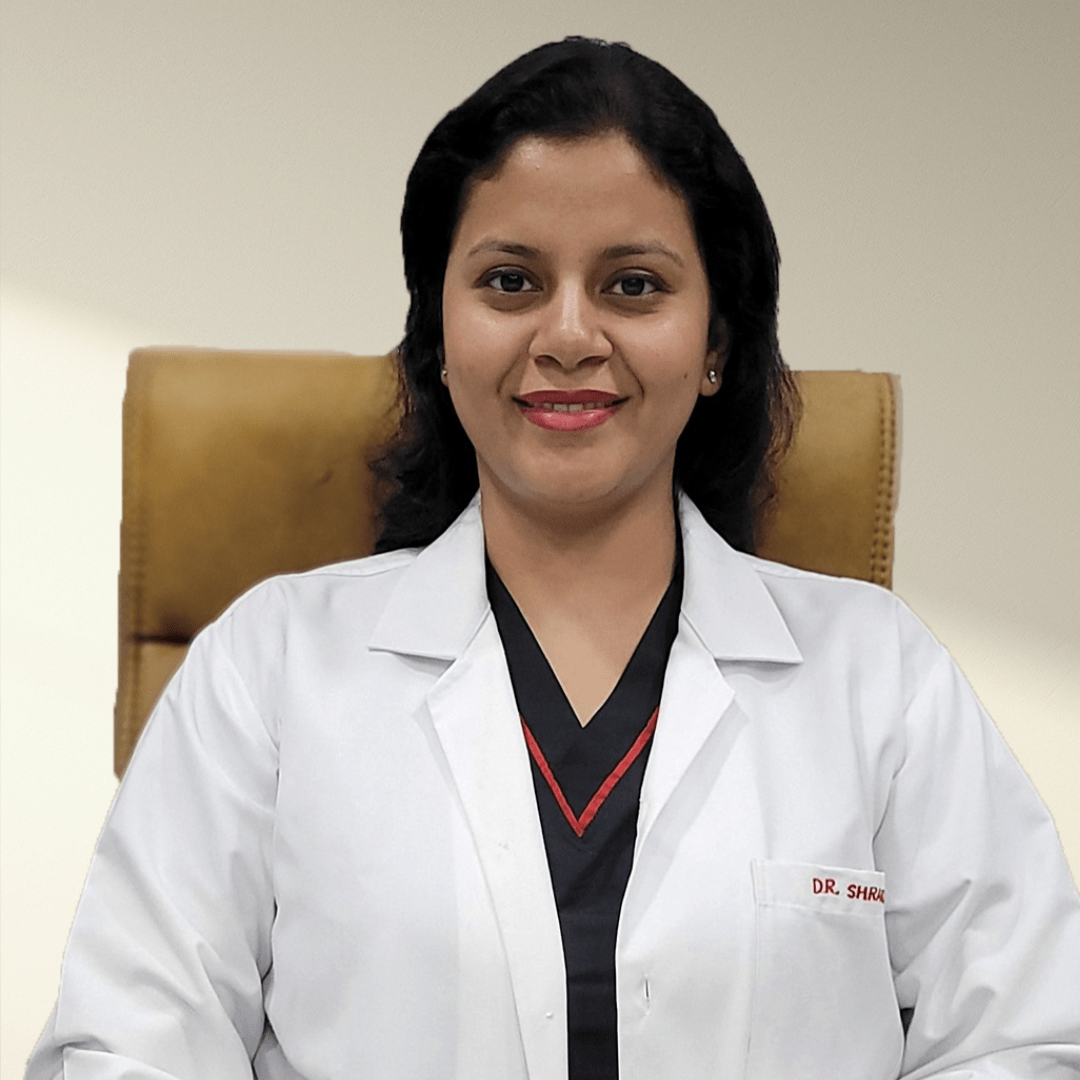

These images show the Sentra Clinic team and care environment used throughout the clinic’s patient communication. Clinical photographs are helpful for familiarity, but they do not replace an examination or promise a particular result. Bring your questions to the consultation and ask which part of the plan applies to your eyes.
Make Your First Appointment More Useful
- Carry current glasses, old prescriptions, previous scans, discharge papers and a complete medicine list.
- Write down when the problem started, whether one or both eyes are affected and whether it is getting worse.
- Tell the doctor about diabetes, blood pressure, pregnancy, contact lenses, allergies, previous surgery and eye injuries.
- Ask what was found, what needs attention now, what can be monitored and when you should return.
- Do not drive after dilation if your vision is blurred; arrange a companion when that is safer for you.
Frequently Asked Questions
Where can I get LASIK surgery in Malad West?
Sentra Clinic serves Malad West residents from Shah Arcade 2, Rani Sati Road, Malad East. Call 93729 47075 to arrange an eligibility consultation and confirm the current route.
Is everyone with spectacles eligible for LASIK?
No. Prescription stability, corneal shape and thickness, tear-film health, age, eye health and expectations all influence suitability.
How long does LASIK surgery take?
The laser procedure itself is brief, but preparation, consent and post-procedure observation add time. Plan your visit and transport according to the clinic’s instructions.
Can LASIK correct a high spectacle number?
Some higher prescriptions may have laser or other options, but the answer depends on detailed corneal and eye-health testing. A spectacle number alone is not enough.
Will I need reading glasses after LASIK?
LASIK does not prevent normal age-related changes in near focus. The doctor should discuss your age and future reading expectations during counselling.
What should I bring for a LASIK evaluation?
Bring current and previous prescriptions, contact-lens details, medical history, eye-drop information and questions about work, night driving and recovery.
Ready to Speak With the Sentra Clinic Team?
Call 93729 47075 for an appointment in Malad East serving Malad West, or message the clinic on WhatsApp for basic appointment coordination.
Medical information on this page is educational and cannot diagnose an individual. Confirm current fees, clinic timings, treatment availability and medical advice directly with the Sentra Clinic team.